
Reviewed · CHANIA OLD TOWN TOURS
Chania Walking Food Tours Crete with a local!
Chania’s best food stories are found between the market, bakeries, cheese shops, and old-town lanes, not just on a restaurant menu. This three-hour walk with Stella and The Hellenic Odyssey gives you a guided taste of that everyday food culture, from bougatsa and Greek coffee to local cheeses, honey, olive oil, and a full lunch.
I like the smart route through Chania, which combines food with local history, and the chance to try dishes you might not order on your own. I also like the easy pace and the mix of small tastings with a proper meal at a Cretan restaurant. The main consideration is that the tour can feel crowded on cruise-ship days, and some stops may not be as organized as a private tasting.
Key points at a glance
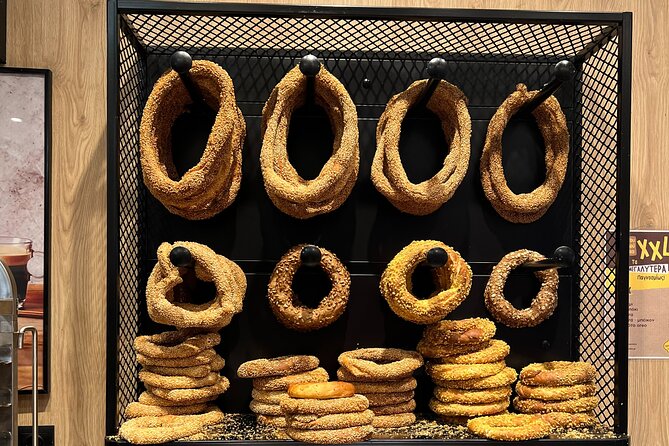
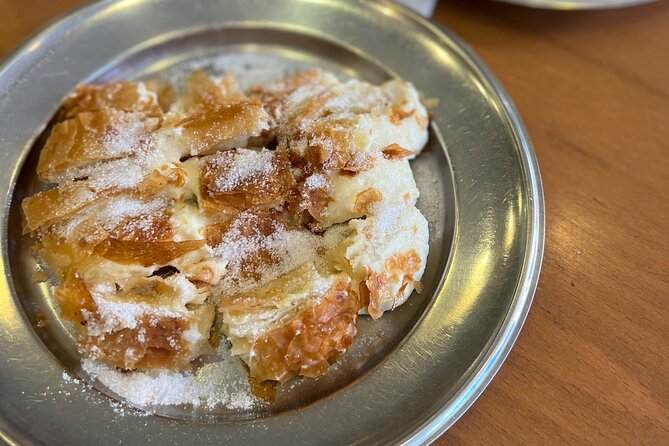
- Start with Cretan pastries: Try local specialties such as bougatsa, spinach pastry, and fried dough before the larger meal.
- Stella is the main guide: She is praised for her clear English, food knowledge, local history, and warm way with families and solo visitors.
- Expect more than snacks: The tour builds toward lunch, with Tamam frequently singled out for dishes such as tomato fritters.
- A leisurely old-town walk: You move through backstreets, the market, harbor area, bakeries, and food shops without a rushed pace.
- Come hungry, but pace yourself: The portions may add up to breakfast and lunch, so a large breakfast is a mistake.
- Check the meeting point carefully: Begin at Chania Old Market at 9:30 a.m., and confirm the exact location before setting out.
Starting at Chania Old Market at 9:30 a.m.
The tour begins at Chania Old Market, a useful starting point for understanding the city’s food life. You meet at 9:30 a.m., then set out on foot with a guide from The Hellenic Odyssey. The activity ends back at the meeting point, though the walking route takes you through several parts of the old town along the way.
I like this early start. Pastries and coffee make more sense in the morning, and you get a head start before the streets grow busier. This timing also works well for a cruise-ship day, but you need to allow enough time to reach the market. One person missed the tour after arriving late from a cruise transfer and confusion over the meeting place. The practical lesson is simple: confirm the location, allow extra time, and do not assume the meeting point is right beside the shuttle drop-off.
The maximum group size is 20 people. That is small enough for a personal walk in most cases, though a full group may make it harder to hear in a noisy street or shop. One participant specifically found the guide difficult to hear and suggested a microphone would help. If you have hearing concerns, stay near Stella and ask her to repeat anything you miss.
More Food Tasting Tours in Chania
- Chania: Old Town Highlights Guided Tour with Street Food
★ 4.9 · 407 reviews - Walking “Food tasting tour” in the town of Chania
★ 5.0 · 297 reviews - The Delicious Chania Street Food Tour
★ 5.0 · 138 reviews
Chania’s backstreets, market life, and local stories
This is not only a sequence of food samples. The route uses food as a way to explain Chania and Crete. As you move through the old town, the guide points out places of cultural and historical interest and explains how local ingredients fit into daily life.
The walk includes the market, old-town lanes, and the harbor area. You may pass bakeries, coffee shops, cheese counters, and shops where traders sell honey, olive oil, dairy products, and seasonal produce. The appeal is the connection between the food and the people selling it. Instead of simply hearing that Crete produces excellent cheese or olive oil, you get to see these products in the places where locals buy and discuss them.
Stella receives especially strong praise for making the history easy to follow while keeping the food moving. She explains Cretan culture, answers questions, and helps you notice details you might walk past alone. Her English is described as easy to understand, and she has also been praised for keeping children involved. Some departures have included guides named Kathy or Kerri as well, so Stella is not guaranteed on every date.
The pace is one of the tour’s strengths. You have time to take photographs, listen, and eat without being hurried from one stop to the next. Still, this is a walking tour on old-town streets, so wear comfortable shoes and expect to be on your feet for much of the three hours.
Bougatsa, bakeries, and the first tastes
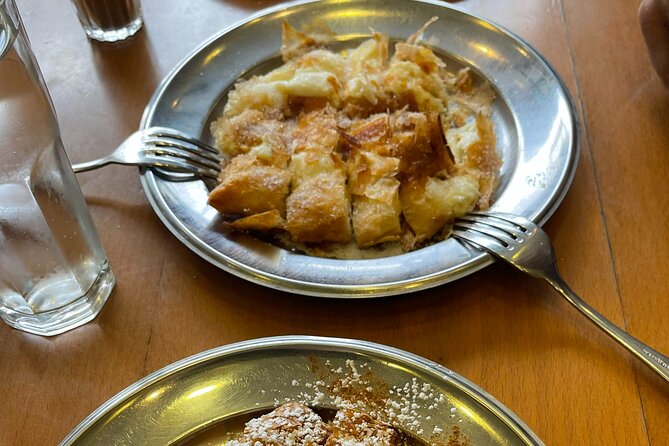
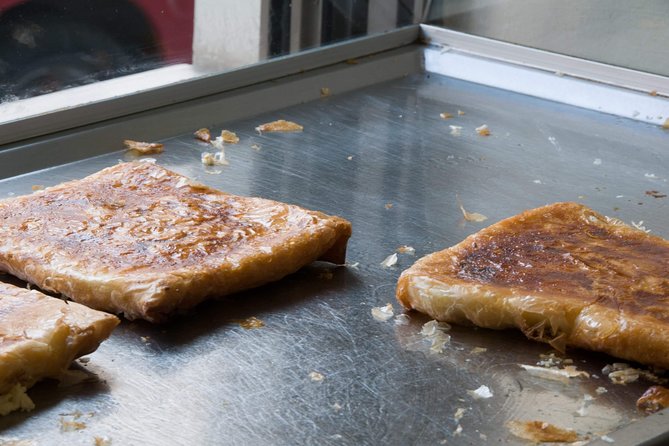
The early food stops focus on Cretan and Greek bakery traditions. A featured stop is Bougatsa Iordanis, known for the pastry called bougatsa. This is a useful introduction to the region’s habit of turning simple pastry, cheese, and fillings into breakfast food with plenty of character.
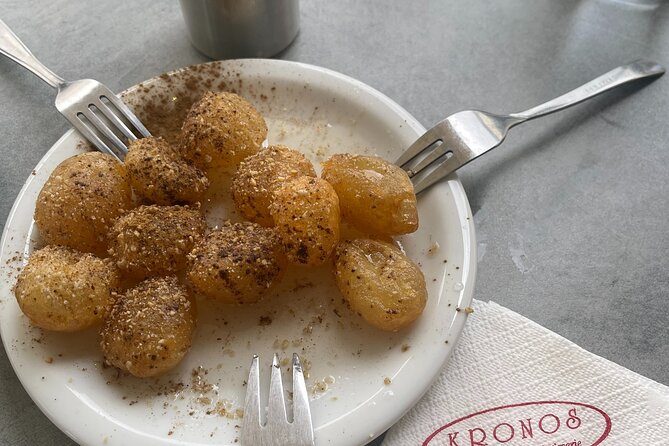
The tastings can include a goat-cheese version of a pastry, spinach pastry, fried doughnuts, and other bakery items. The goat-cheese option was singled out as a particularly good choice. You may also learn about filo making, an important part of Greek pastry, and how different cakes and biscuits are displayed and sold.
This part of the tour is valuable because it gives you a vocabulary for ordering later. You learn that Greek pastry is not one single category. Some items are crisp and layered, some are filled with cheese or greens, and some are sweet enough to serve as dessert. The guide also explains the difference between local cakes and biscuits instead of treating every baked item as the same.
The first tasting can be more substantial than you expect. You may be tempted to finish everything, but the wiser plan is to sample modestly. The tour continues with dairy, sweets, and lunch, and the food adds up quickly.
Coffee culture and the traditional kafeneio
The itinerary includes a visit to a traditional kafeneio, the Greek coffee house that has long served as a social gathering place. This gives the tour a cultural pause between bakery stops and the larger meal.
Greek coffee is part of the planned experience, although one person reported that coffee was not served on their departure. That suggests the exact tasting sequence may vary, so do not treat every item as guaranteed in precisely the same form. The tour does include Greek coffee and Cretan bougatsa in its stated food program, but shop schedules and daily conditions can affect the order.
The kafeneio stop matters because food in Crete is not only about ingredients. It is also about where people sit, talk, and spend time. You get a glimpse of that social side without having to plan a separate café visit.
If coffee is important to you, ask the guide early in the tour when it will be served. That small question can help you pace your breakfast and avoid disappointment if the order changes.
More walks through Chania old town:
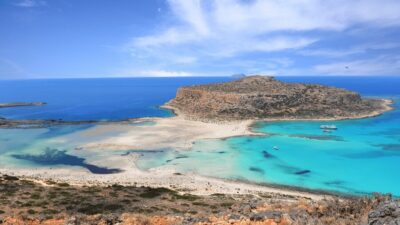
- From Heraklion: Cruise to Balos Lagoon and Chania Old Town
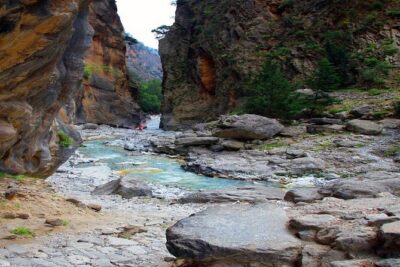
★ 4.4 · 526 reviews - Full-Day Samaria Gorge Chania Guided Tour
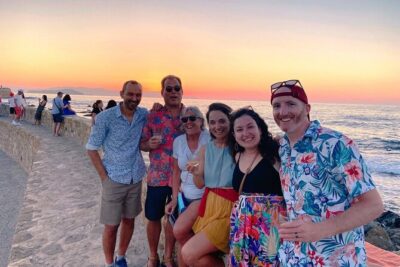
★ 4.5 · 91 reviews - Sunset Craft Beer & Food Tour – Chania Old Port
★ 5.0 · 86 reviews - Chania old town and around private tour (price per group of 6)
★ 5.0 · 85 reviews
Cheese, honey, olive oil, and seasonal produce
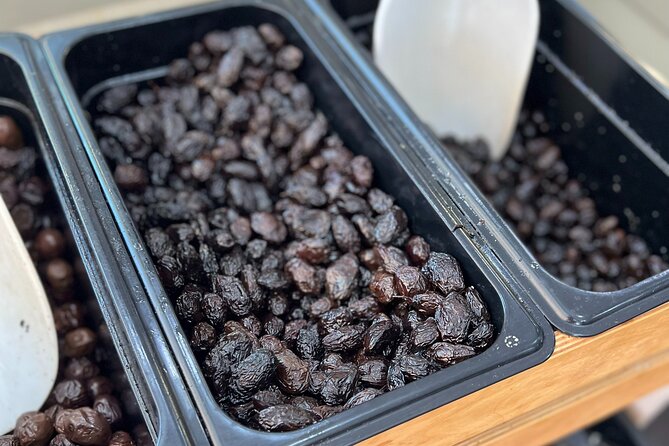
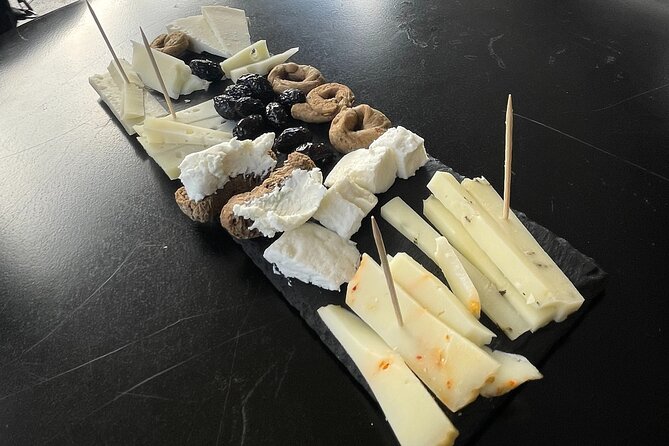
The middle section focuses on the ingredients that give Cretan food its sturdy, local character. You may sample several cheeses, honey, olive oils, and seasonal produce from traders who take pride in explaining what they sell.
The cheese tasting can be generous. One participant found the tour heavy on cheese, while others considered the portions well judged. Both impressions can be true depending on your appetite and the day’s selection. If you are not a cheese lover, tell the guide at the start so she can help you make sensible choices.
The combination of cheese and honey is especially useful for understanding the Cretan table. Sweet and savory flavors often appear together, and the tasting lets you compare different textures and levels of saltiness. Olive oil samples add another layer, since the same ingredient can taste very different depending on the variety and freshness.
This is also a good place to ask questions about buying food to take home. The guide’s role is not simply to hand you samples. She can explain what you are tasting and point out the difference between a product made for tourists and one sold as part of everyday local food life. The supplied information does not promise shopping time or shipping help, so treat any purchases as an optional extra rather than part of the tour.
Lunch at Tamam and the real measure of value
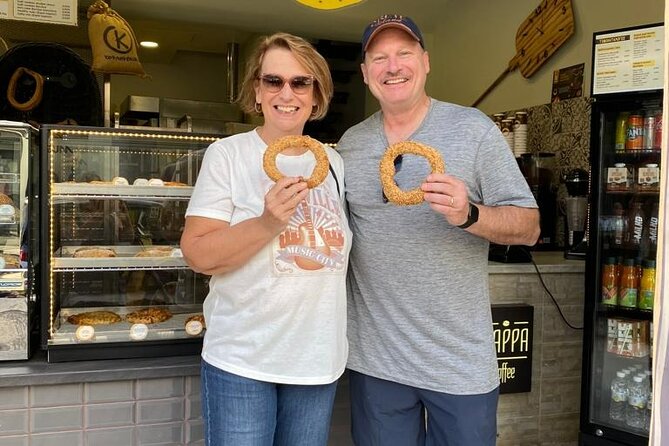
The tour finishes its food progression with a fuller meal at a Cretan restaurant. Tamam is named as a lunch stop, and several dishes receive particular praise, including tomato fritters. The meal is described as a highlight, with enough food to feel like a proper breakfast and lunch rather than a few token bites.
This is where the $107.86 price becomes easier to judge. You are paying for about three hours of guiding, a city walk, several tastings, cultural explanation, and a substantial meal. If you visited every bakery, cheese shop, and restaurant independently, you might spend less or more depending on your choices, but you would not get the same route or the help of a local guide.
The value is strongest if you enjoy trying many foods and want context with your meal. It is weaker if you prefer to order one dish at a time, dislike group schedules, or already know Chania well. The lunch also means you should not plan another large midday meal immediately afterward.
Some stops may not have a table ready when the group arrives. One person found the transitions less organized than on other food tours and reported confusion about sweets that were expected but did not appear. That is worth knowing. The experience is built around real local businesses, not a private dining room prepared exclusively for your group, so the flow may be informal.
What the tour does especially well
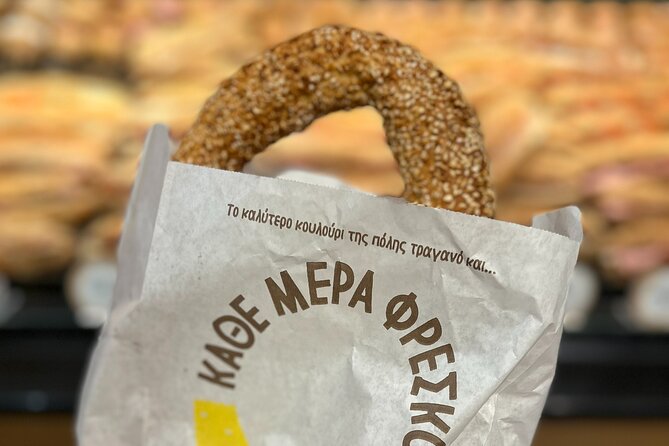
The strongest feature is the guide. Stella is repeatedly praised for her warmth, clear English, quick responses before the tour, and ability to answer questions about food, culture, and Chania. She has been described as making the outing feel like a relative showing you around town, which is a good description of the personal tone this experience aims for.
The food range is another major strength. You are not given one generic Greek meal and sent home. Instead, you move through pastries, dairy, coffee, honey, olive oil, produce, sweets, and lunch. That variety helps you identify what you want to eat during the rest of your stay.
The tour also works well for a first day in Chania. You learn the shape of the old town, see places you might otherwise miss, and collect ideas for later meals. A solo visitor can join without needing to arrange a private group, and a child can be included in the tastings and stories.
The high overall score, 4.7 out of 5, and 95 percent recommendation rate fit those strengths. Still, the single very poor account about a missed departure shows why meeting instructions and phone access matter. The operator says the person did not arrive on time and could not be reached. The fair advice is to protect yourself from either side of that disagreement: arrive early, save the guide’s contact details, and make sure your phone can receive messages or calls.
Who will enjoy this Chania food walk?
I would choose this for someone visiting Chania for the first time who wants food and orientation in one outing. It suits curious eaters, solo visitors, couples, families, and anyone who prefers a local guide to a self-guided list of restaurants.
It is also a good match for people who enjoy history in small portions. You will not get a formal museum lecture, but the guide connects the streets, market, food shops, and Cretan customs in a way that makes the city easier to understand.
You may want another option if you need a highly polished tasting format with reserved tables at every stop. It may also be a poor fit if you have strict dietary needs, though the guide has accommodated food preferences graciously in at least one departure. Tell the operator about your needs before booking rather than relying on last-minute changes.
The group limit of 20 keeps this from being a massive coach outing, but it is not a private tour. Cruise-ship days can make Chania harder to navigate, so choose a quieter date if your schedule allows. The tour is booked an average of 62 days ahead, which suggests that popular dates may fill early.
Booking details that matter
The tour costs $107.86 per person and lasts approximately three hours. It is offered in English and includes a mobile ticket. It begins at 9:30 a.m. at Chania Old Market and ends at the same meeting point.
Most people can participate, and the meeting area is near public transportation. Since this is a walking food tour, comfortable shoes and a light breakfast are sensible. In practice, the best breakfast may be the first pastry on the tour.
Free cancellation is available up to 24 hours before the start time for a full refund. Changes or cancellations inside that 24-hour window are not accepted for a refund. The tour requires good weather and a minimum number of participants. If poor weather or low enrollment causes cancellation, you are offered another date or experience, or a full refund.
Should you book the Chania walking food tour?
Book it if you want a guided introduction to Chania through food, especially if pastries, cheese, olive oil, honey, and a generous lunch sound better than a formal sightseeing circuit. Stella’s strong presence, the relaxed walking pace, and the range of tastings give the tour real value.
Go in with the right expectations. This is a friendly group outing through working shops and restaurants, not a perfectly staged private tasting. Confirm the meeting point, arrive early, pace yourself, and choose a day without a major cruise-ship crowd if possible. If you do that, this is a smart first taste of Chania and a useful guide to what you should eat next.
FAQ
Where does the Chania food tour begin?
It begins at Chania Old Market in Chania, Greece. The scheduled start time is 9:30 a.m.
Where does the tour end?
The activity ends back at the meeting point at Chania Old Market.
How long does the food tour last?
The tour lasts approximately three hours.
What food and drinks are included?
The experience includes tastings such as Cretan bougatsa, Greek coffee, pastries, cheeses, honey, olive oil, seasonal produce, a traditional Greek dessert and drink, and lunch at a local Cretan restaurant. The exact order and selection can vary.
Who leads the tour?
Stella is the main guide associated with this experience. Some departures have also included guides named Kathy or Kerri.
What happens if I need to cancel?
You can cancel up to 24 hours before the start time for a full refund. If the tour is canceled because of poor weather or because the minimum number of participants is not met, you are offered another date or experience, or a full refund.
More Walking Tours in Chania
- PRIVATE Walking Tour with Lunch and Wine Tasting by a Sommelier
★ 5.0 · 113 reviews - Guided Walking Tour in Chania
★ 3.5 · 39 reviews - Chania Old Town Artisans and Sightseeing Private Walking Tour
★ 5.0 · 23 reviews - Wine Tasting Walking Tour in Old Town Chania
★ 5.0 · 20 reviews
Newest Chania write-ups
- Private transfer from Heraklion airport to Chania★ 5.0 · 5 reviews
- From chania : Knossos Palace & Archeological Museum Tour★ 4.0 · 4 reviews
- Highlights of Crete -2 Days Tour Knossos Lasithi Rethymno&Chania★ 5.0 · 3 reviews
- CHANIA RETHYMNON KOURNAS, full day professional guided coach tour★ 3.5 · 8 reviews
- Private tasting of 6 cretan wines in Fres village, Chania★ 5.0 · 4 reviews
- Wine Tasting Walking Tour in Old Town Chania★ 5.0 · 20 reviews
- Small-Group Wine Tasting Activity in West Chania★ 5.0 · 4 reviews
- Walking Food Tasting Tour in Chania Town★ 5.0 · 3 reviews
Chania Old Town Tours, compared.
Sunset Craft Beer & Food Tour – Chania Old Port
Read our review →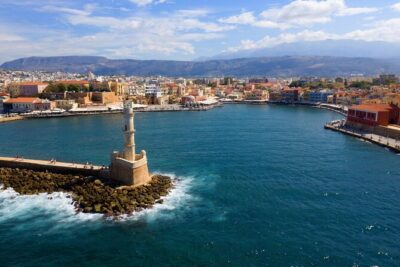
Chania old town and around private tour (price per group of 6)
Read our review →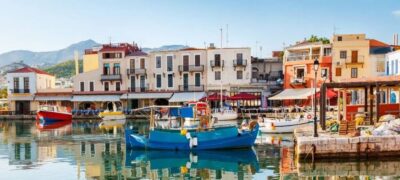
Day trip to Chania old Town,Kournas Lake& Rethymno
Read our review →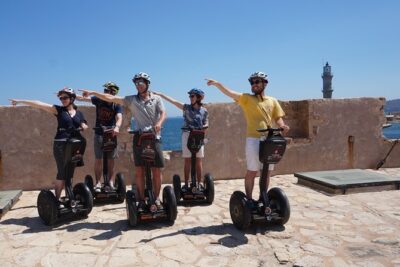
Cruise Ship Guest Beer & Food Tour – Chania Old Port
Read our review →Browse the lists this tour appears in