
Reviewed · CRETE OLIVE OIL TOURS
Chania Private Olive Oil Tour: Oil Tasting & Villages Tour
The most remarkable part of this private Chania olive oil tour is its range. In one day, you move from working farmland and mountain villages to an old olive mill, a modern processing plant, and an ancient tree that may be around 3,000 years old. This is not just a tasting stop with a few crackers. It is a look at how Cretans have grown, harvested, pressed, and used olives across the centuries.
I like the chance to compare old and modern oil-making methods, and I like the way the tour brings you into the Apokoronas countryside, far from Chania’s busy old harbor. Guide Apostolis has earned especially strong praise for his historical knowledge and his ability to adapt the day to your interests. The main consideration is the length: at 7.5 hours, this is a full day, and lunch and drinks at private stops may cost extra.
Key points to know before booking
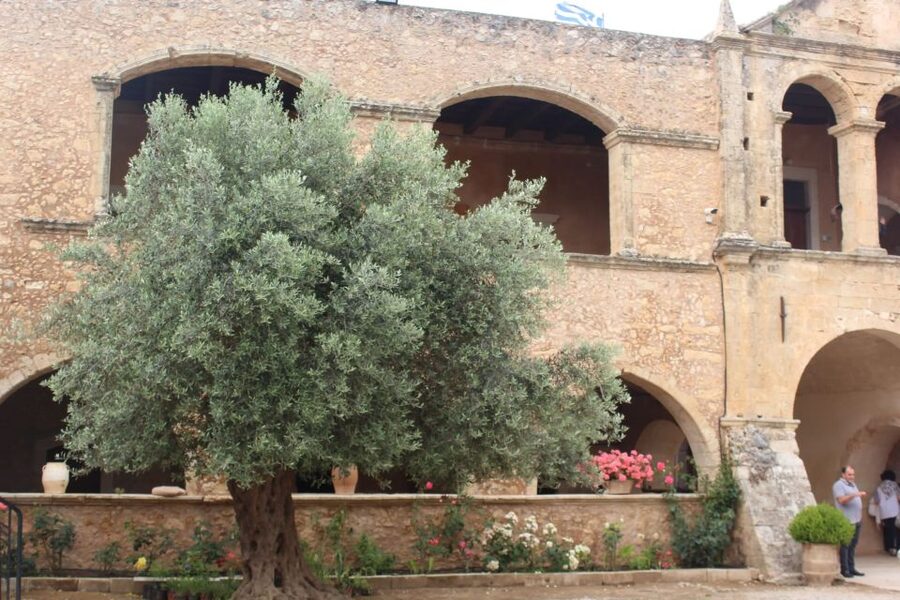
- The ancient olive tree: Visit a secluded tree estimated at more than 3,000 years old, with a huge trunk and strong photographic appeal.
- Two eras of olive production: See a medieval-style mill and a modern factory, then taste fresh extra virgin olive oil beside the equipment.
- A private countryside day: Private transport, hotel pickup, and flexible stops make this easier than arranging several rural visits alone.
- More than olive oil: The route includes Chania villages, a river valley in Vryses, a small monastery, farmland, and local flora and fauna.
- A hands-on agricultural lesson: Learn about olive varieties, grafting, irrigation, harvesting, and farming methods from a local producer.
- Bring room for a full day: The schedule includes coffee and lunch breaks, but food and drinks at private stops are not included.
From Chania to the olive-growing valleys
Your pickup begins in Chania, with hotel collection available from central areas. You are asked to wait in the lobby about 10 minutes before departure. From there, private transport carries you into the Chania Regional Unit, where the city quickly gives way to farmland, olive trees, and scattered villages.
The first part is about getting your bearings. At a high point, you can see the scale of cultivation around Chania and understand why olive oil is tied so closely to daily life in Crete. The view is useful, not just decorative. It helps you see the groves as working agriculture rather than a postcard background.
The opening sightseeing portion lasts roughly 30 minutes, followed by a longer guided visit of about 90 minutes. Exact stops can change because the guide offers flexible diversions. That is a real advantage on a private tour, especially if you want more time for farming questions, village scenery, or photography.
More Olive Oil Tours in Chania
- From Chania: Olive Oil, Wine, Cheese & Honey Tasting Tour
★ 4.6 · 490 reviews - From Chania: Wine and Olive Oil Tasting Tour with Snacks
★ 4.8 · 354 reviews - Crete Wine and Olive Oil Tour
★ 5.0 · 272 reviews
Learning the olive tree from a working farmer
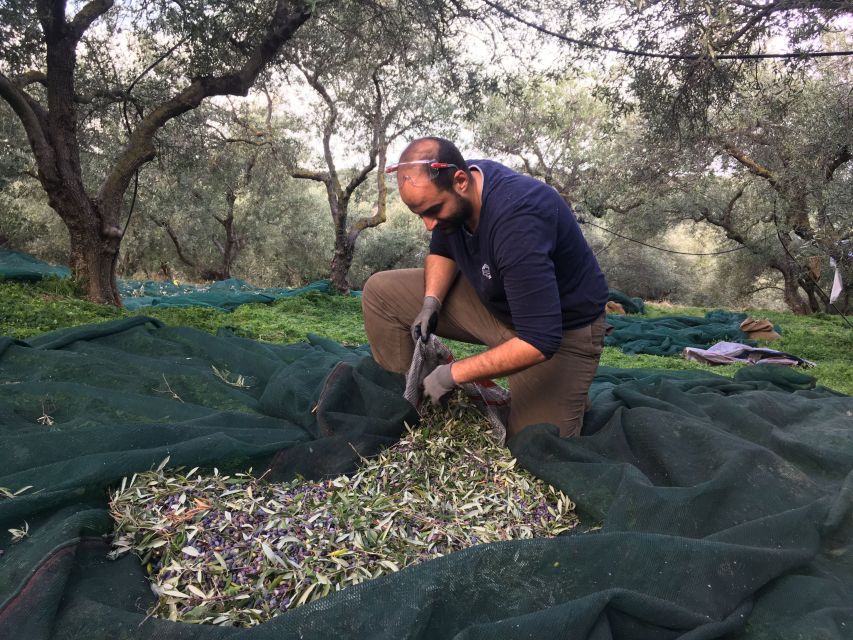
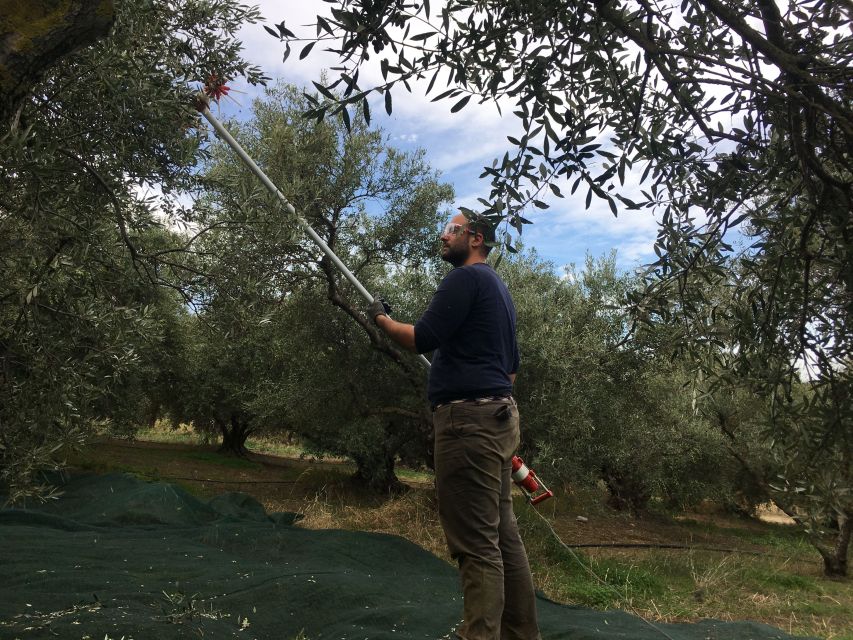
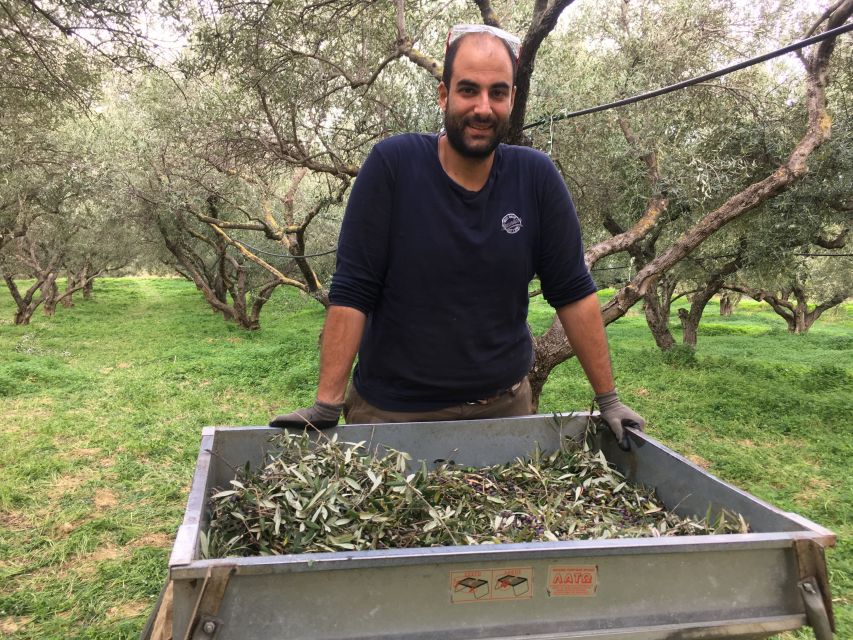
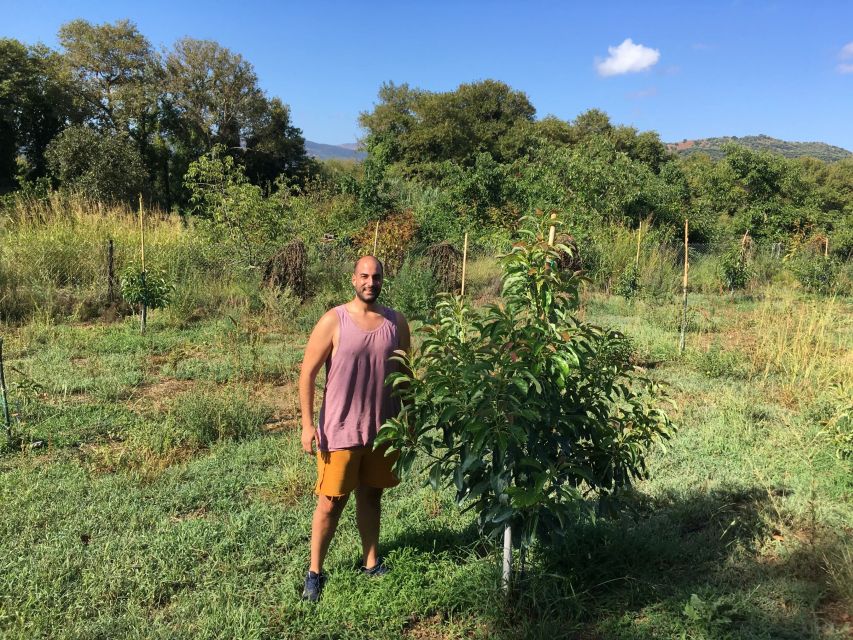
The private olive grove is where the tour becomes practical. You learn that olive oil is not simply a matter of picking fruit and pressing it. The guide and local farmer explain the varieties grown in Crete, the grades of oil produced in the Chania area, and how farming choices affect the crop.
You also hear about collection methods, irrigation, grafting, and modern horticulture. These details matter because the quality of oil begins long before the olives reach a mill. The age and care of a tree, the condition of the fruit, and the timing of collection all shape what eventually reaches the bottle.
A useful part of the visit is the opportunity to taste and take home organic extra virgin olive oil from the grove. This gives you a direct link between the place you have just seen and the product in your hands. It also makes the tour more memorable than a generic factory tasting.
The grove visit lasts about an hour in the listed schedule. Wear shoes suitable for uneven ground, since this is a farm visit rather than a paved attraction. The information is likely to appeal most to anyone who enjoys food production, gardening, rural life, or Greek cooking.
Comparing old and modern olive oil mills
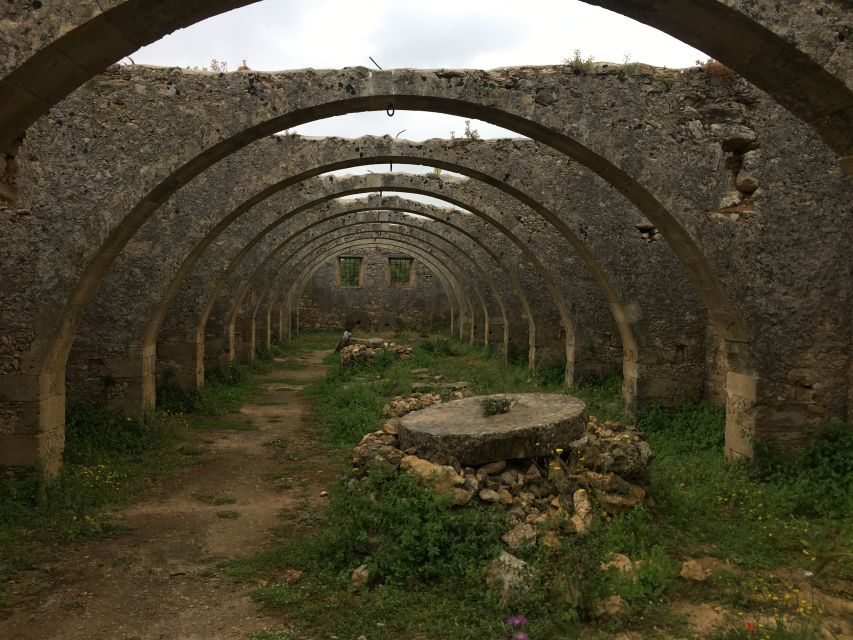
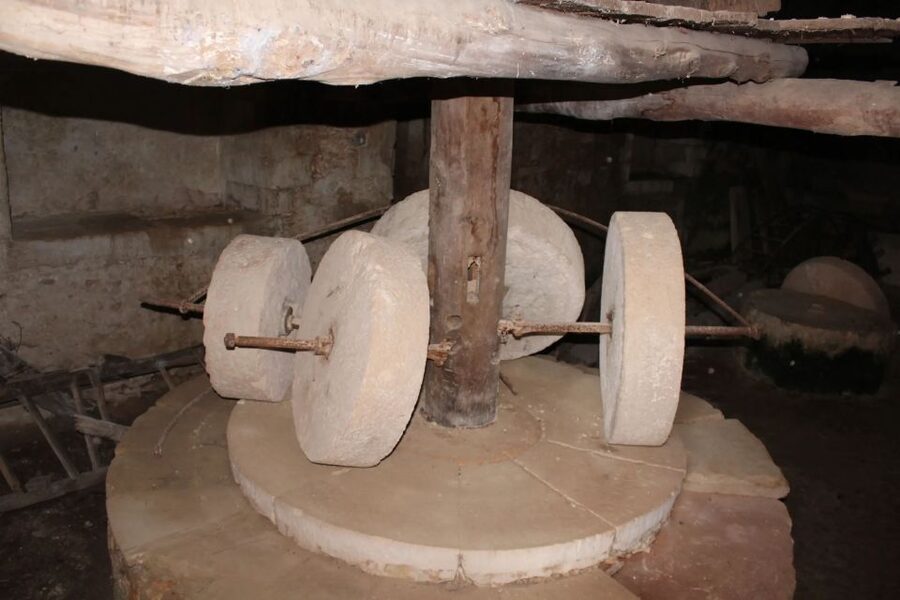
The next major stop is an old olive oil mill. Here, you trace the earlier stages of production and see how olives were handled before electric machinery and modern processing lines. The mill gives context to the present-day industry, showing how much labor was once needed to turn fruit into oil.
You do not simply look at an old building and move on. The guide walks you through the process and explains how Cretan ancestors processed olives centuries ago. This part can be especially useful if you have already tasted olive oil but never understood how pressing, extraction, and refinement differ.
Later, the tour visits a modern olive oil factory. The guide explains current production, refinement, and processing while you stand near the machinery. You finish with an extra virgin olive oil tasting inside the facility, beside the equipment that handles the crop.
That pairing is one of the tour’s best ideas. The old mill gives you a sense of tradition, while the modern factory explains the controlled process behind the oil you buy today. You see that Cretan olive oil is both a cultural product and a modern agricultural export.
The modern factory visit is also where you receive free organic extra virgin olive oil to take home. Confirm the amount and packaging details when booking if this matters to you, since the supplied information does not specify the bottle size.
Vryses, rivers, and the slower side of Apokoronas
The tour includes a break for coffee and a separate lunch stop, with the lunch portion lasting about an hour. Vryses is highlighted as a village with a small river valley, thick vegetation, and local geese. It provides a pleasant change from the technical side of the mills.
This is a good place to talk about Apokoronas, the villages around it, and the daily work of farmers. The setting gives you a clearer sense of rural Crete than a quick drive-through. You have time to look around, eat, and ask questions rather than rushing from one attraction to the next.
Lunch and drinks at private stops are not included in the price. The tour does include a box with water, a banana, an apple, and chocolate, so you are not left without basic provisions. Still, budget for the meal and any coffee or other drinks you choose to buy.
The food arrangements are intentionally flexible, but that also means the exact lunch experience is not fixed in the supplied details. If you have dietary needs or want to know the planned restaurant, ask before departure.
More Village Tours in Chania
- Elafonissi Beach Day Trip from Chania -Stop in Elos Village
★ 4.5 · 744 reviews - Chania: 7 Villages of Apokoronas Tour with Lunch
★ 4.7 · 289 reviews - The 7 Villages of Apokoronas Tour – Explore East Chania Mainland
★ 5.0 · 178 reviews - Elafonissi Beach Tour from Chania with stop in Elos Village
★ 4.5 · 168 reviews
A small monastery and the taste of local life
One of the most distinctive additions is a tiny monastery associated with centuries of history. A visit here appeared in the day described by one guest, along with a tasting of raki. The monastery is said to have only two monks, which gives the stop a quiet, personal character rather than the feel of a large religious attraction.
Because the tour is private, you have more freedom to ask about the monastery, local customs, and the region’s past. If Apostolis is your guide, you can expect the historical side of the day to receive particular attention. His background as a licensed historian and his ability to respond to individual interests were singled out as major strengths.
The monastery stop is not listed in every timed itinerary detail, so treat it as a possible part of the route rather than a guaranteed fixed stop. The provider allows alterations and diversions according to your needs and local conditions.
Meeting a 3,000-year-old olive tree
The ancient olive tree may be the emotional high point of the day. It is described as more than 3,000 years old and possibly the oldest fruit-bearing tree in the world. Claims about the oldest tree naturally depend on dating methods and local interpretation, so you should view the title with a little caution.
That does not make the visit less impressive. The tree’s circumference, age, and continuing fruit production offer a powerful connection with Crete’s past. You can stand beside something that may have been growing before many of the island’s best-known monuments were built.
The tree is away from the main visitor routes, which adds to the sense of discovery. You get time for photographs and to appreciate the natural setting without a large crowd around you. This is one reason the tour feels more personal than a standard factory excursion.
The schedule allows roughly 70 minutes for a combination of photography, sightseeing, and guided visits in this part of the day. Bring a phone or camera, but do not expect a polished attraction with signs and barriers. The appeal is the tree itself and the surrounding countryside.
What the private format changes
The private format is important here. You are not being moved through a large group at fixed speed. You can ask more questions about olive cultivation, history, religion, or village life, and the guide can adjust the balance of the day.
Private transport also solves a practical problem. The olive groves, old mill, modern factory, villages, and ancient tree are spread through the Chania countryside. Arranging these stops independently would require a car, local route planning, and confidence about finding rural sites.
Pickup and drop-off are included for central Chania areas, and the tour can also work as a shore excursion from Chania or Souda cruise port. If you are arriving by ship, confirm the timing carefully before booking, since the total outing lasts 7.5 hours.
The tour is offered in English and Greek. A professional licensed historian guide and driver leads the day, while a local olive farmer adds agricultural knowledge. That combination is stronger than relying on a guide who only explains the history or a producer who only discusses oil.
Is $176 per person fair value?
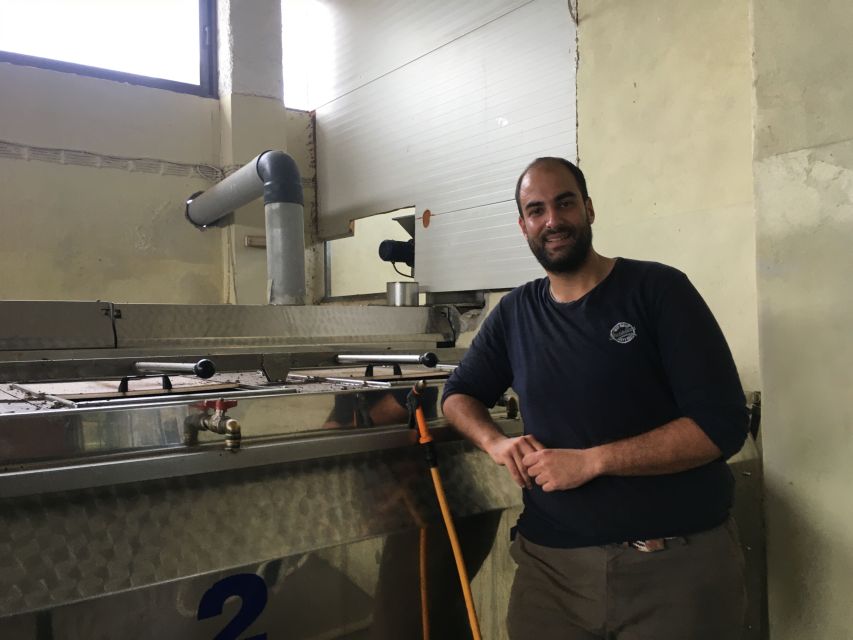
At $176 per person, this is not a budget sightseeing trip. The price makes more sense if you value private transport, a full day outside Chania, several specialist stops, hotel pickup, and the ability to shape the pace around your interests.
You are paying for more than a tasting. The day includes a grove lesson, an old mill, a modern factory, a village and river valley, a possible monastery visit, an ancient olive tree, and a take-home bottle of organic extra virgin olive oil. A private taxi and separate visits to these locations could quickly add up.
The price is less compelling if your main goal is simply to taste several oils. A shorter factory visit might suit you better. This tour is aimed at people who want the story behind the bottle and are happy to spend most of a day in the countryside.
Lunch and drinks are extra, so include those costs in your planning. The included snack box helps, but it does not replace the meal break.
Who will enjoy this Chania tour most?
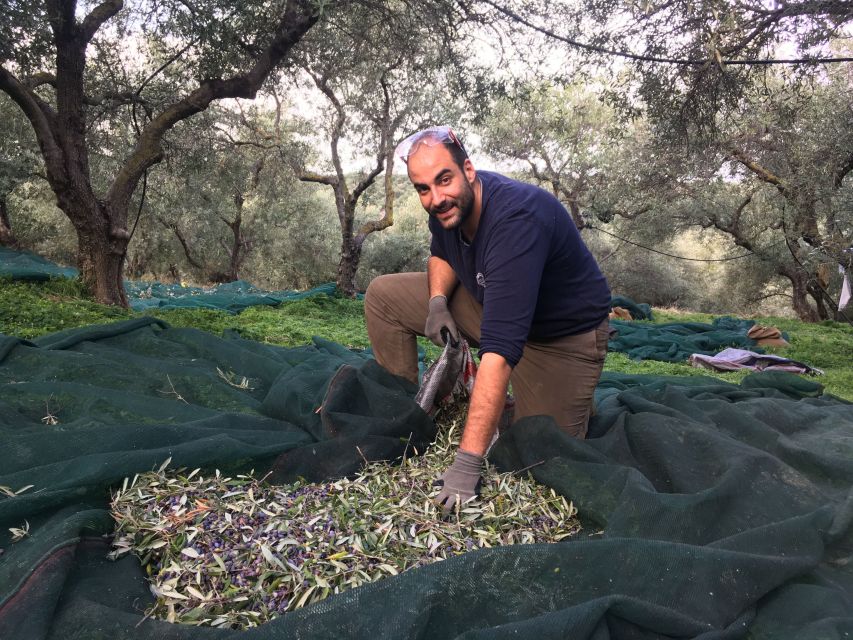
I would recommend it to couples, families with older children, food-focused visitors, history fans, photographers, and anyone who wants a private day beyond the old town. It suits you especially well if you prefer conversation and local context over a large coach group.
The tour is also a strong choice for a first day in Crete. It gives you an introduction to the island’s agriculture, villages, religious heritage, and food culture all at once. Janet from the United States described Apostolis as her favorite guide during three weeks in Greece, which points to the value of having a guide who can respond to curiosity rather than recite a script.
It may be less suitable if you dislike long drives, rural walks, or a schedule built around several stops. The day includes uneven outdoor settings, extended sightseeing, and time in working agricultural areas. The supplied information does not give specific accessibility details, so ask the provider before booking if mobility is a concern.
Booking details that matter
The tour lasts 7.5 hours and starts from Chania. Pickup is included from central Chania areas, and cruise-port pickup is available for Chania and Souda. You should wait in your hotel lobby 10 minutes before the scheduled pickup.
Cancellation is free up to 24 hours before the tour for a full refund. You can also reserve now and pay later, which helps if your Crete schedule is still changing.
The activity is offered as a private group experience. English and Greek are available, and the guide is described as a licensed historian certified by the Greek Ministry of Tourism.
Should you book it?
Book this tour if you want a full countryside day built around olive oil, not a quick tasting. The old mill, modern factory, grove, village valley, monastery, and ancient tree give the experience real variety, while the private format lets you ask questions and adjust the pace.
Skip it if you only have a few hours in Chania or care mainly about sampling oils. For everyone else, $176 is a reasonable price for a private, transport-inclusive day that connects Cretan food with farming, history, and village life. If Apostolis is available, his historical background and flexible approach make the experience particularly appealing.
FAQ
How long does the Chania olive oil tour last?
The tour lasts 7.5 hours, including transportation, guided visits, coffee, lunch, and sightseeing stops.
Where does the tour begin?
Pickup is available in Chania, with free hotel pickup and drop-off from central Chania areas. The tour can also operate as a shore excursion covering Chania and Souda cruise port.
Is this a private tour?
Yes. The experience is offered for a private group rather than a shared group.
What languages are available?
The live guide is available in English and Greek.
Is olive oil tasting included?
Yes. You taste extra virgin olive oil at a modern olive oil factory, and organic extra virgin olive oil is provided to take home.
Is lunch included in the price?
A box with water, a banana, an apple, and chocolate is included. Lunch and drinks at private tour stops are not included.
Will I visit an ancient olive tree?
The tour includes a visit to an ancient olive tree estimated at more than 3,000 years old and possibly the oldest fruit-bearing tree in the world.
Can the itinerary change?
Yes. Stops can be flexible, with possible diversions or alterations according to your needs.
What is the cancellation policy?
You can cancel up to 24 hours in advance for a full refund. Reserve now and pay later is also available.
More Food Tasting Tours in Chania
- Chania: Old Town Highlights Guided Tour with Street Food
★ 4.9 · 407 reviews - Walking “Food tasting tour” in the town of Chania
★ 5.0 · 297 reviews - The Delicious Chania Street Food Tour
★ 5.0 · 138 reviews - PRIVATE Walking Tour with Lunch and Wine Tasting by a Sommelier
★ 5.0 · 113 reviews
Newest Chania write-ups
- Private transfer from Heraklion airport to Chania★ 5.0 · 5 reviews
- From chania : Knossos Palace & Archeological Museum Tour★ 4.0 · 4 reviews
- Highlights of Crete -2 Days Tour Knossos Lasithi Rethymno&Chania★ 5.0 · 3 reviews
- CHANIA RETHYMNON KOURNAS, full day professional guided coach tour★ 3.5 · 8 reviews
- Private tasting of 6 cretan wines in Fres village, Chania★ 5.0 · 4 reviews
- Wine Tasting Walking Tour in Old Town Chania★ 5.0 · 20 reviews
- Small-Group Wine Tasting Activity in West Chania★ 5.0 · 4 reviews
- Chania Area: Cooking Class at a Farm in Stylos Village (organic)★ 5.0 · 19 reviews
Crete Olive Oil Tours, compared.
Zeus Cave -Old Traditional Villages-Olive Oil Factory
Read our review →
Zeus Cave, Lassithi Plateau, Olive Oil Factory, Kritza, Pottery
Read our review →
Knossos, Lasithi, Lasinthos and Olive Farm Combo Tour
Read our review →
Browse the lists this tour appears in