
Reviewed · WALKING TOURS
Rethymno Walking & Gastronomy Tour
Rethymno’s best food tour is really two experiences in one: a gentle walk through the old town and a long, sociable meal built around Cretan customs. You begin with sfakianopita and coffee, visit an old filo workshop, taste local products, and finish with a generous spread of meze in a Venetian-Ottoman courtyard.
I like the small group limit of eight, which gives guides such as Nora, Michael, Vincent, Dina, and Maria room to adjust the pace and answer questions. I also like the way the food connects to daily life: olive oil, honey, raki, family-style dishes, and the local habit of welcoming people around a table. The main consideration is timing. Food is spread across a three- to four-hour walk, and the most substantial meal comes near the end.
Key points to know before booking
- Start with sfakianopita: Your first taste is a handmade Cretan cheese pie topped with organic thyme honey, served with coffee or juice.
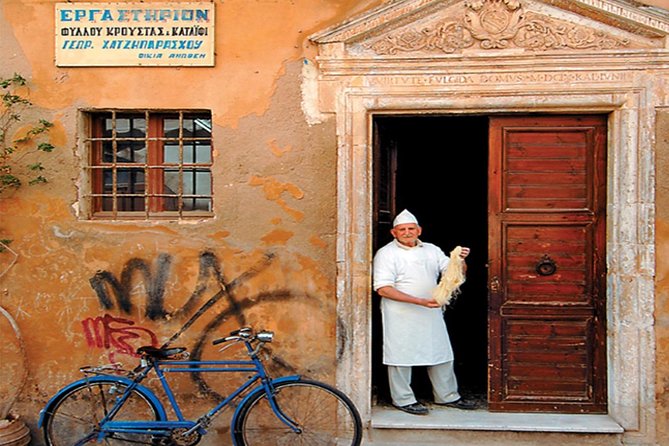
- Visit a working filo atelier: At Giorgos Chatziparaschos’s 17th-century workshop, you may see thin strands of kadaifi pastry being made by hand.
- Expect a full meal, not just nibbles: The final stop includes salad, beans, smoked trout, goat cheese, sausage, wine, and raki.
- Keep the group personal: The maximum group size is eight, and you can upgrade to a private tour.
- Plan around the walk: The route uses old-town streets and includes several seated food stops, but comfortable shoes still make sense.
- Budget for value, not just food: At $107.63 per person, the price covers the guide, tastings, coffee or juice, lunch or dinner, wine, raki, taxes, and a small-group format.
Why this tour works so well in Rethymno
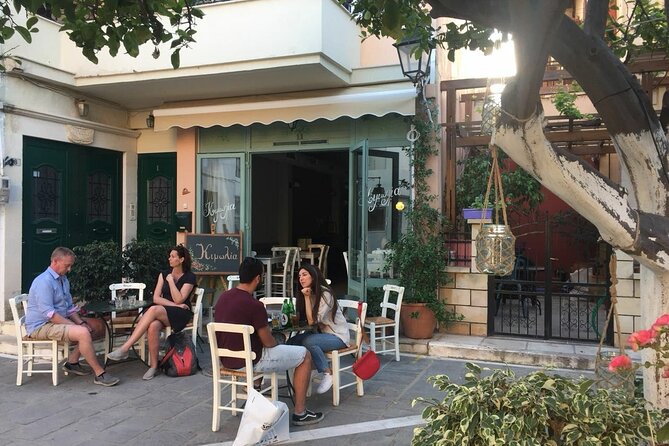
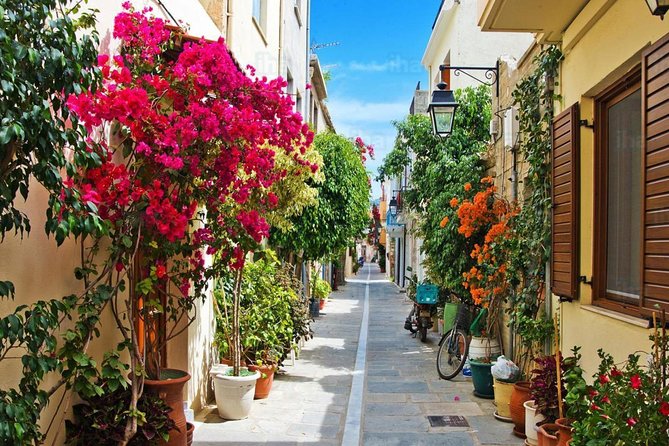
Rethymno is easy to admire at street level. Venetian buildings, Ottoman traces, narrow lanes, and the old town’s small businesses all sit close together. This tour gives those details a purpose. Instead of treating food as a string of unrelated samples, the guide explains how Cretan cooking fits into local customs and hospitality.
I particularly like the balance between information and sitting down to eat. The morning or afternoon does not become a lecture with food added as an afterthought. You learn about the city while holding a coffee, tasting olive oil, watching filo being prepared, and sharing dishes at a traditional restaurant.
The guides also seem to bring different personalities to the route. Nora is described as warm and engaging, Michael as flexible and good at tailoring the meal to individual tastes, Vincent as relaxed and well connected with local owners, and Dina as patient and humorous. Maria, Milo, Hara, and Kostas have also led the experience. The exact guide matters because this is a conversation-led tour, not a headset-and-checklist outing.
More walking tours in Crete:
- Knossos: Knossos Palace Skip-the-Line Guided Walking Tour
★ 4.8 · 1,380 reviews - Walking “Food tasting tour” in the town of Chania
★ 5.0 · 297 reviews - Heraklion: Food Tastings Walking Tour
★ 5.0 · 136 reviews
Breakfast in a quiet Rethymno kafeneio
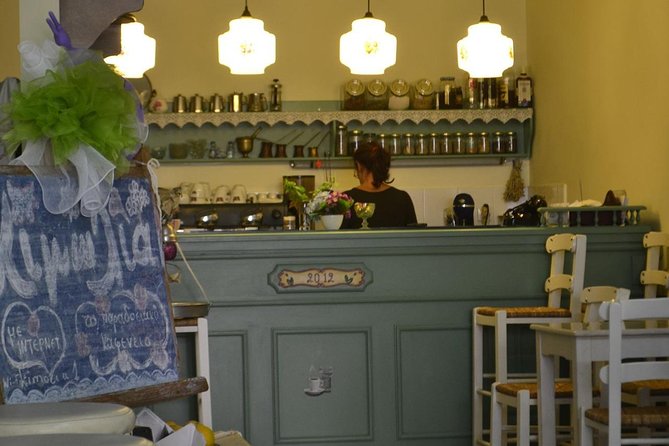
The opening stop takes place in a traditional kafeneio in the old town, in a peaceful setting away from the busiest lanes. You receive Greek coffee or juice and a handmade sfakianopita, a Cretan cheese pie finished with organic thyme honey.
This is a clever way to begin. The pie is simple, but it introduces several ideas that return later: local cheese, honey, handmade food, and the Cretan preference for strong flavors with few unnecessary ingredients. The honey also gives you an early chance to ask about local produce and the role of food in everyday life.
The stop lasts about 30 minutes. That is long enough to eat and talk without making breakfast feel rushed. It is also a useful time to explain the plan for the walk, the customs behind Cretan hospitality, and the relationship between Rethymno’s past and its food.
If you expect a large breakfast buffet, reset your expectations. This is a traditional snack and drink, not a full hotel-style meal. The larger meal comes later.
Olive oil, honey, and raki at Bricks Beers & Tales
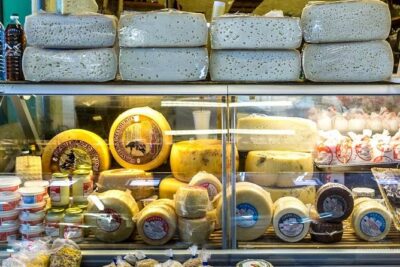
The next stop shifts from seated breakfast to local-product tasting. Olive oil, tsikoudia, and honey are included, with the guide explaining what you are tasting and how these products fit into Cretan life.
The olive oil portion has real practical value. You can learn how to recognize an authentic oil and what qualities to notice when tasting it. That is useful beyond the tour, especially if you plan to buy a bottle before leaving Crete.
Honey is another strong part of the visit, since thyme honey is already part of your opening dish. Tasting the ingredient on its own helps you notice why it works so well with cheese and pastry.
Raki, known locally as tsikoudia, comes with plenty of local meaning. It is not simply a shot placed on the table. It is tied to hospitality and the habit of offering a drink to visitors. The tour includes raki, though you should not expect a large flight of different raki flavors. Traditional tsikoudia is generally presented as one straightforward local spirit. Some guests may prefer more variety, such as rakomelo, which combines tsikoudia with honey, but rakomelo is not listed as a standard part of the experience.
One practical note: the tasting can feel a little long if you are mainly interested in walking and historical sights. The guide can help keep the pace comfortable, but this tour is designed for people who want food knowledge, not just a quick sample.
The old filo workshop and the making of kadaifi
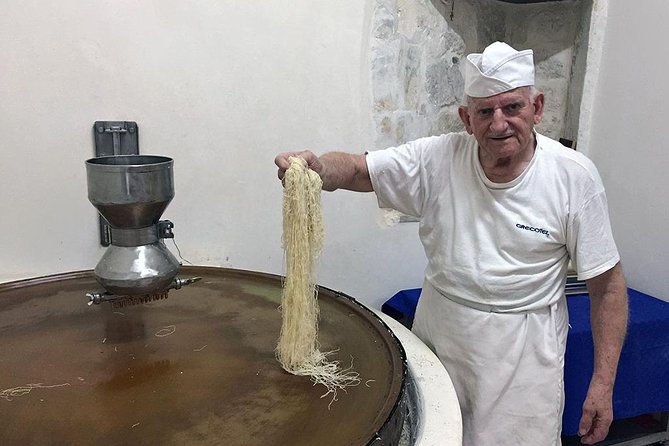
The most distinctive stop is Giorgos Chatziparaschos’s traditional filo atelier. The workshop occupies a Venetian mansion dating from the 17th century and has been making filo for about 65 years.
The ingredients are modest: flour, water, and salt. The skill lies in the proportions and technique. At the back of the workshop, a liquid mixture is fed into a special machine. Thin strands fall onto a hot copper pan, where they bake into the delicate pastry used for kadaifi and baklava.
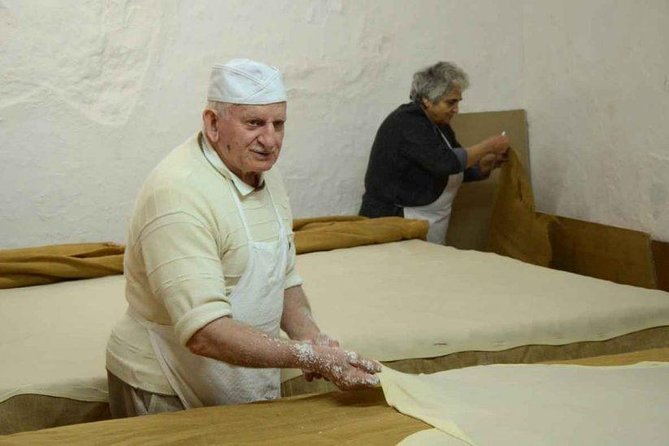
If the timing is right, you may see the master at work. The scene is more useful than simply looking at finished sweets because it shows how much control is needed to create pastry that looks almost impossibly fine. Butter aromas fill the room, and the process turns a familiar dessert into a small lesson in craft.
The finished kadaifi is associated with cinnamon, chopped walnuts, and honey or syrup. Baklava and kadaifi are not just sweet endings here. They connect the tour to the old town’s Ottoman and eastern Mediterranean influences.
The workshop lasts about 30 minutes. It is a compact visit, but it gives the day a strong sense of place. This is also one of the stops where your guide’s relationship with local businesses can make a difference. The experience is about seeing a working food tradition, not merely entering a shop for a packaged sample.
A few more Crete trips worth weighing up
- Crete: Rethimno, Chania, and Kournas Lake Day Trip
★ 4.4 · 1,694 reviews - From Rethymno: Samaria Gorge Full-Day Trek, Pickup & Guide
★ 4.5 · 1,610 reviews - From Rethymno: Half-Day Quad Bike Safari
★ 4.8 · 1,444 reviews - From Chania/Rethymno: Samariá Gorge Guided Hike with Pickup
★ 4.5 · 1,010 reviews
Lunch at Ali Vafi’s Garden
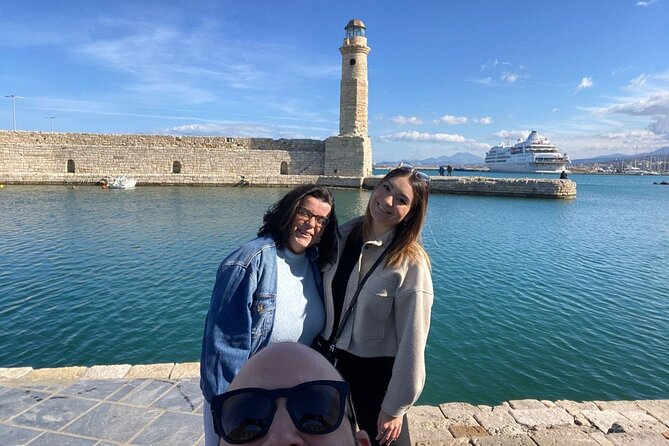
The final main stop is Ali Vafi’s Garden, a small restaurant and bar in a building that reflects both Venetian and Ottoman history. This is where the tasting turns into a proper communal meal.
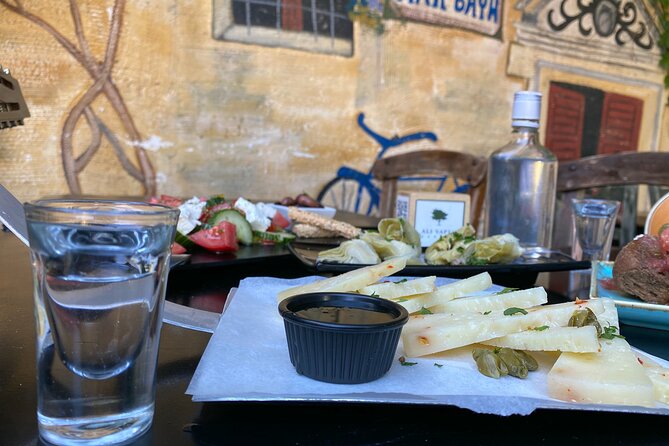
The menu includes a salad of tomato, cucumber, artichoke, and bread crouton. You may also receive black beans with smoked trout, goat cheese graviera, and an organic sausage sheet. White, red, or rosé wine is included, along with raki.
This is the strongest value point in the tour. The meal is described as plentiful enough that you may not finish everything. It is not a token plate after a day of tiny bites. If you have dietary preferences, the guide can help shape the order. A vegetarian option is included, and one account of the experience describes the guide adjusting dishes to suit individual tastes.
The restaurant setting matters, too. You are not simply eating in a modern dining room between attractions. The courtyard atmosphere, old architecture, and conversation with the guide give the meal the feel of being welcomed into a local gathering place.
The timing is worth noting. Lunch comes after the breakfast, product tasting, and pastry visit, so you might be ready for a substantial meal by then. If you hoped to sample small bites at every few minutes along the route, this tour may feel less food-heavy than expected. Think of it as several meaningful tastings followed by a full lunch or dinner.
The history comes through the food
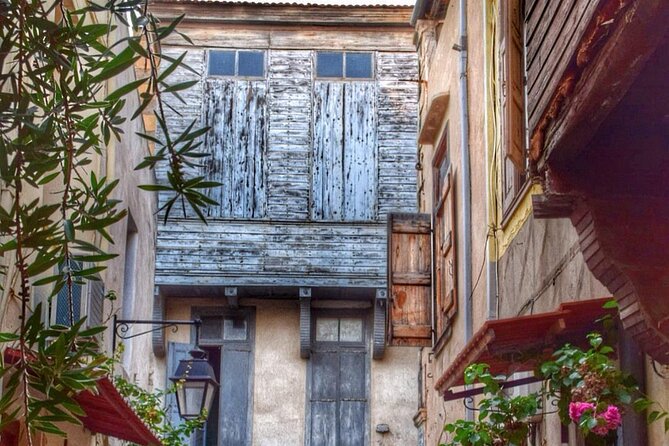
The tour does not focus on monuments in the way a formal city sightseeing walk does. Instead, the guide uses food stops to explain Rethymno’s past and customs.
You will hear about the city’s Venetian and Ottoman connections at the old buildings and restaurant. You will also learn how raki functions as part of Cretan hospitality, not just as an alcoholic drink. The result is a more personal way to understand the town. A pastry workshop can reveal cultural influence; a dish of beans and smoked trout can open a discussion about ingredients and local habits.
The guides also offer practical advice for the rest of your stay. Kostas has helped with suggestions for places to visit and taxi contacts. Hara has pointed out restaurants and shops selling local produce. If you arrive early in your Rethymno stay, this kind of advice can improve the meals and visits that follow.
At the end, your guide can help you reach Fortezza if you want to continue exploring. The entrance ticket is not included, so plan to pay separately if you visit the fortress.
Group size, pace, and guide style
The tour is capped at eight people, which is a sensible size for old-town lanes and small food businesses. You can hear the guide without a microphone, ask questions easily, and sit around a table without becoming part of a large tour crowd.
A private upgrade is available if you want more control over the pace or have a particular interest in food and local history. The small-group version already feels personal, especially in quieter periods when the group may be very small. One low-season outing had only two people, allowing the guide to shape the route around their interests.
The guide style is central to the experience. You may be led by Nora, Michael, Vincent, Dina, Maria, Milo, Hara, or Kostas, depending on the date. The strongest descriptions point to guides who are friendly, flexible, and comfortable sharing personal connections with local shop owners.
This also means the exact tone can vary. One guide may spend more time on history, another may focus on food, and another may offer more practical suggestions for the rest of your trip. That variety is part of the charm, but anyone seeking a fixed script should keep it in mind.
How much food do you really get?
You receive coffee or juice and a traditional snack at breakfast. The tour then includes olive oil, honey, tsikoudia, and pastry-related tastings. The final stop provides the largest portion of food, with meze, wine, and raki.
Taken together, the tastings and meal can replace lunch or dinner. The description specifically presents the food as enough for a hearty meal, and the generous portions at Ali Vafi’s Garden support that. Still, the distribution matters. You do not receive a full dish at every stop.
I would book this for someone who likes to understand food as well as eat it. You will hear about ingredients, preparation, customs, and the people behind the products. If you only want a fast crawl from one restaurant to another, the long conversations and workshop stop may feel slow.
Vegetarians are accommodated, which makes the tour more flexible for mixed groups. The available information does not list every dietary restriction, so you should raise any special needs when booking.
Is $107.63 a fair price?
At $107.63 per person, the tour is not a budget snack walk. It is priced more like a guided cultural meal with several tastings.
The fee includes an English or French-speaking local guide, the small-group format, coffee or juice, traditional snacks, lunch or dinner, wine, raki, and taxes and handling charges. You are also paying for access to places and explanations that would be difficult to arrange independently, especially the filo workshop and the product tastings.
I consider the price fair if you use the tour as a meal replacement and value the historical context. It is less compelling if you plan to eat a full lunch elsewhere or mainly want free sightseeing. The private upgrade will cost more, and pickup outside the Rethymno district carries an extra charge.
The experience lasts about three to four hours, so the hourly value is solid when you count the food and guide time. You also finish with a better sense of where to eat and what local products are worth buying.
Practical details for your day
The tour begins at the Church of the Four Martyrs on Gerakari 6 in Rethymno and ends back at the same meeting point. It is close to public transportation, and most people can participate. Service animals are allowed.
You will walk through the old town, so comfortable shoes are sensible. The route includes seated stops, but it is still a walking tour rather than a restaurant transfer. The experience requires good weather. If poor weather cancels the tour, you can choose another date or receive a full refund.
Free cancellation is available up to 24 hours before the start time. Changes or cancellations inside that window are not accepted for a refund. The tour also requires a minimum number of people, so a cancellation for that reason results in another date, another experience, or a full refund.
It is offered in English, while the included guide may speak English or French. The activity is often booked well ahead, about 47 days in advance on average, so popular dates may reward early planning.
Who should book this Rethymno food walk?
I would recommend it to couples, families with older children, and small groups who want a relaxed introduction to Rethymno. It suits you especially well if you enjoy talking with a local guide, tasting unfamiliar products, and learning why a dish matters.
It is also a smart first or second-day activity. The restaurant suggestions, local produce tips, and taxi help can make the rest of your stay easier. If you want to visit Fortezza afterward, the guide can accompany you to the entrance, though the admission ticket is separate.
You may want another option if you need a very fast tour, dislike alcohol, or want constant small plates throughout the walk. Raki and wine are built into the experience, and the most substantial food comes at the final stop.
Should you book it?
Book this tour if you want a full Cretan meal tied to Rethymno’s old town, rather than a simple list of tastings. The handmade filo workshop, the opening sfakianopita with thyme honey, and the family-style meal at Ali Vafi’s Garden give the experience real character.
The main tradeoff is pace. The tour takes three to four hours, and some of that time goes to conversation, olive oil, and history before lunch arrives. For most people, that is the point. You leave with a fuller stomach, useful food knowledge, and a better feel for how Rethymno welcomes people to the table.
FAQ
How long does the Rethymno Walking and Gastronomy Tour last?
The experience lasts approximately three to four hours.
What is included in the price?
The price includes a local English or French-speaking guide, small-group touring, taxes and handling charges, coffee or juice, traditional snacks, lunch or dinner, wine, and raki.
How large is the group?
The tour has a maximum of eight participants. A fully private option is also available as an upgrade.
Where does the tour start and finish?
The meeting point is the Church of the Four Martyrs at Gerakari 6 in Rethymno. The activity ends back at the same meeting point.
Is a vegetarian option available?
Yes. A vegetarian option is included with the lunch or dinner portion.
Is the Fortezza entrance ticket included?
No. The Fortezza entrance ticket is not included. The guide can help you reach the fortress entrance after the tour.
What happens if bad weather cancels the tour?
If the experience is canceled because of poor weather, you can choose a different date or receive a full refund.
Newest Crete write-ups
- Heraklion – Walking city tour with food tasting★ 4.5 · 25 reviews
- Private Full-Day Elafonisi★ 5.0 · 4 reviews
- Mirabello Luxuries with Spinalonga & Agios Nikolaos from Iraklion★ 4.5 · 7 reviews
- Cretan Flavors – Cooking Lessons and Wine Olive Oil Tasting★ 5.0 · 9 reviews
- Private Trekking Rouvas Gorge★ 4.5 · 4 reviews
- Ecobike All inclusive – 2 Day tour – Discover the real Crete★ 5.0 · 4 reviews
- Truffle Hunting, Culinary & Wine Celebration from Heraklion★ 5.0 · 6 reviews
- Secrets of West Crete & Rethymno Town Private Tour from Heraklion★ 5.0 · 9 reviews
Walking Tours, compared.
Knossos Palace Skip-the-Line Guided Walking Tour
Read our review →
Walking “Food tasting tour” in the town of Chania
Read our review →
PRIVATE Walking Tour with Lunch and Wine Tasting by a Sommelier
Read our review →
Browse the lists this tour appears in