
Reviewed · KNOSSOS PALACE TOURS
Knossos: Labyrinth of Knossos Skip-the-Line Walking Tour
Knossos is where Greek myth and Bronze Age engineering meet. In 1.5 hours, you’ll walk through the remains of a palace with more than 1,500 rooms, including the throne linked to King Minos, an ancient theater, and drainage systems far ahead of their time.
I like the skip-the-line entry, since it removes one common delay at a major archaeological site. I also like the guide-led format, especially because the tour brings practical details such as bathing rooms, toilets, workshops, storage areas, and water systems into the story. The main drawback is the short, fixed schedule: 1.5 hours leaves little room to wander, and the site involves significant walking in the sun.
Key points
- A 1.5-hour route through a 20,000-square-meter palace complex
- See the throne, theater, drainage systems, shrines, workshops, and royal rooms
- Hear the stories of King Minos, Ariadne, the Minotaur, and the Labyrinth
- Skip the ticket-counter line with entry included
- Small-group tour led in English by a licensed guide
- Central Heraklion pickup is available as an extra-cost option
Why Knossos Is More Than a Mythical Labyrinth
Knossos is often introduced through the story of the Minotaur, the half-man, half-bull creature said to have lived inside a maze built by King Minos. That legend gives the site instant drama, but the real Knossos is just as interesting for what it reveals about daily life and technology.
The palace covered about 20,000 square meters and included more than 1,500 interlocking rooms. It was not simply a royal residence. It functioned as a center of power, worship, storage, craft production, ceremony, and administration during the Bronze Age.
That scale is hard to grasp from a map or museum label. A guide helps you understand how separate areas fit together. You can move from ceremonial spaces to storage rooms, from shrines to workshops, and from royal quarters to practical washing and drainage areas.
I find that this is the real strength of a guided visit. Without context, Knossos can seem like a collection of weathered walls and reconstructed sections. With an explanation of how the rooms served different purposes, the site becomes a functioning city rather than a pile of ruins.
More Knossos Palace Tours in Heraklion
- Crete: Palace of Knossos E-Ticket and Audio Guide
★ 3.8 · 1,540 reviews - Crete: Knossos Palace & Heraklion Guided Tour
★ 4.4 · 1,127 reviews - Knossos-Zeus Cave -Old Traditional Villages-Olive Oil Factory
★ 5.0 · 694 reviews
Entering the Palace With Skip-the-Line Access
You meet the guide beside the entrance to the archaeological site, in front of the ticket office. Look for the sign marked with the Meeting Point, WeGuide logo. Check-in begins 20 minutes before the scheduled starting time, and this is worth taking seriously.
The tour operates on a fixed time slot. If you arrive outside the allowed window, you may be refused entry and required to buy another ticket. This is not the sort of place where arriving late is a minor inconvenience, so plan to be at the entrance early.
The skip-the-line service avoids the ticket-counter queue, and the general admission ticket is included. The entry fee listed for the tour is 20 EUR, which helps explain part of the total price. You are paying for the ticket, a licensed guide, organization, taxes, and the convenience of a reserved place in a small group.
The tour costs $104 per person. That is not a bargain admission price for a 1.5-hour visit, but the value depends on what you want from Knossos. If you only want to enter the site and walk around independently, this is more than you need. If you want the main areas explained clearly and prefer not to deal with the ticket queue, the price is easier to justify.
A Short Route Through a Very Large Site
The scheduled visit lasts 1.5 hours. That gives you a focused introduction, not an exhaustive study of every corner of the palace.
You will cover a site with a large footprint and uneven walking surfaces. The route includes major public, royal, religious, and practical spaces, but the pace must keep the group moving. I would think of this tour as a strong first visit, especially if you have limited time in Crete.
The short duration can also be an advantage. Knossos can be hot, exposed, and tiring, particularly when the sun is strong. A compact guided route lets you see the headline features without committing half a day to the ruins.
Still, you should not expect long pauses at every room. If you are especially interested in Bronze Age architecture, archaeology, or the history of excavation, you may want additional time at the site beyond the tour.
The Throne and the Power of King Minos
One of the central sights is the throne associated with King Minos. It is presented as the oldest throne in Europe, and it gives the palace a strong sense of authority.
The throne room is important not only because of the object itself, but because it shows how the palace was organized around power. The ruler’s position was tied to ceremony, administration, and control of the surrounding complex.
Your guide will connect this physical room to the Minos stories. That helps separate myth from archaeology without removing the fun from the legend. The palace becomes the setting for the later tale of the Labyrinth, Ariadne, and the Minotaur, while the surviving architecture points to a real Minoan center with complex social and political systems.
The throne is also a good example of why a guide matters here. A quick independent visit might give you the name of the room. A guided explanation can help you understand why this space mattered within a palace of such size.
More Knossos and Minoan palace days:
- Crete: Knossos, Lasithi, Lasinthos and Olive Farm Combo Tour
★ 4.5 · 351 reviews - From Heraklion: Historical Center City Tour & Knossos Palace
★ 4.4 · 340 reviews - Knossos & Lasithi Plateau: Zeus Cave,Villages, Olive Oil Tour
★ 5.0 · 328 reviews - From Rethymno: Knossos Palace and Heraklion Guided Tour
★ 4.7 · 240 reviews
The Ancient Theater and Ceremonial Spaces
The tour also visits the oldest theater in Europe, according to the description of the site. This is one of the places where you can picture Knossos as a center for public gatherings rather than just a private royal compound.
The palace included spacious courts used for ceremonies and feasts. These open areas would have allowed large groups to gather, making them a natural part of the palace’s public life.
You will hear how the Minoans used different parts of the complex for worship, celebration, storage, and administration. That broad view is useful because Knossos was not built around one single attraction. Its importance comes from the way many types of space worked together.
The theater and courts also provide a pause from the tighter rooms and corridors. You can better sense the size of the complex, even during a short visit.
Minoan Engineering in the Drainage and Water Systems
For me, the drainage systems are among the most valuable parts of the visit. They are less famous than the Minotaur, but they tell you more about how the palace actually worked.
Knossos had sophisticated drainage and water-management systems. The route includes cleansing rooms, bathing areas, and toilets, all of which show careful planning and technical skill. These practical features make the Minoans feel less like distant figures from a textbook and more like people solving everyday problems.
The palace also had impressive storage areas and specialized workshops. Large-scale storage points to the collection and management of food and other supplies. Workshops suggest organized production rather than a purely residential site.
This is where the tour moves beyond the usual myth. You will still hear about the Labyrinth, but you will also see evidence of plumbing, sanitation, work, worship, and administration. Those details give you a fuller picture of the civilization that flourished here.
Frescoes, Shrines, and Royal Quarters
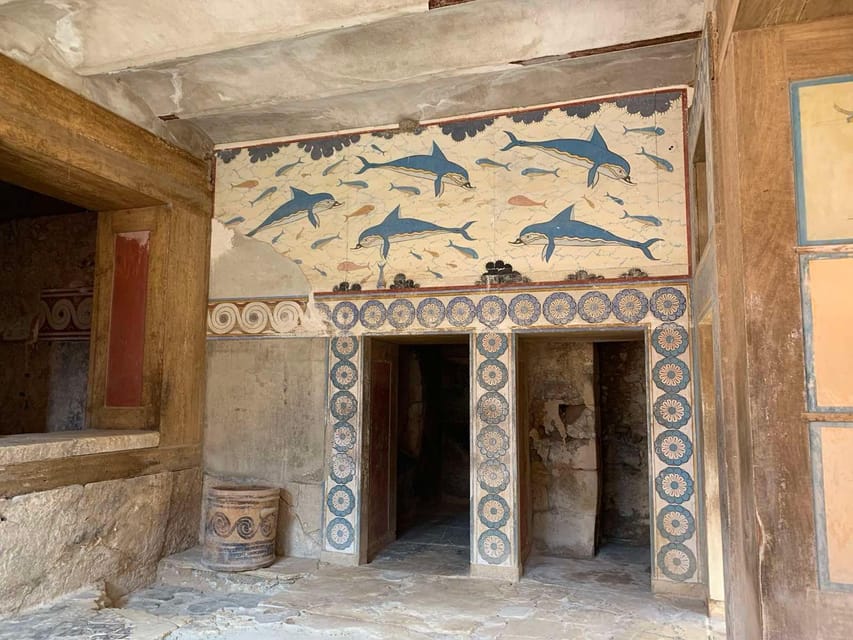
The new palace had splendid frescoes on its walls, and the tour includes areas connected with the palace’s religious and domestic life. Frescoes help show how strongly appearance and ceremony shaped the complex.
You will see sanctuaries, temples, shrines, and areas of cult. These spaces reveal that religion was built into the structure of palace life. Ritual activity was not separated from politics, storage, or royal residence. All were part of the same large system.
The royal family’s domestic quarters offer a different view. Luxurious rooms and bathing areas suggest a level of comfort and organization that may surprise you. The point is not simply that the rooms were grand. It is that the palace brought together private life, public authority, and sacred activity under one roof.
The condition of the remains varies, and not every original feature is equally easy to read. A guide’s explanation helps you understand what you are looking at, particularly when only foundations, partial walls, or reconstructed sections remain.
The Destruction and Rebuilding of Knossos
The first palace was built soon after 2000 BC. Around 1700 BC, a major earthquake destroyed it, and a new palace was built soon afterward.
That second palace was the most important and monumental version of Knossos. For more than 300 years, it served as the leading center of power in Bronze Age Crete.
The rebuilding tells you something important about the site. Knossos was not a single moment frozen in time. It changed, expanded, and recovered from disaster. The later palace included four storeys, hundreds of rooms, large storage areas, workshops, courts, and new architectural ideas.
Your guide will place the ruins within this longer sequence. That makes it easier to understand why different sections may look uneven or belong to different phases of construction.
What the Guide Adds to the Experience
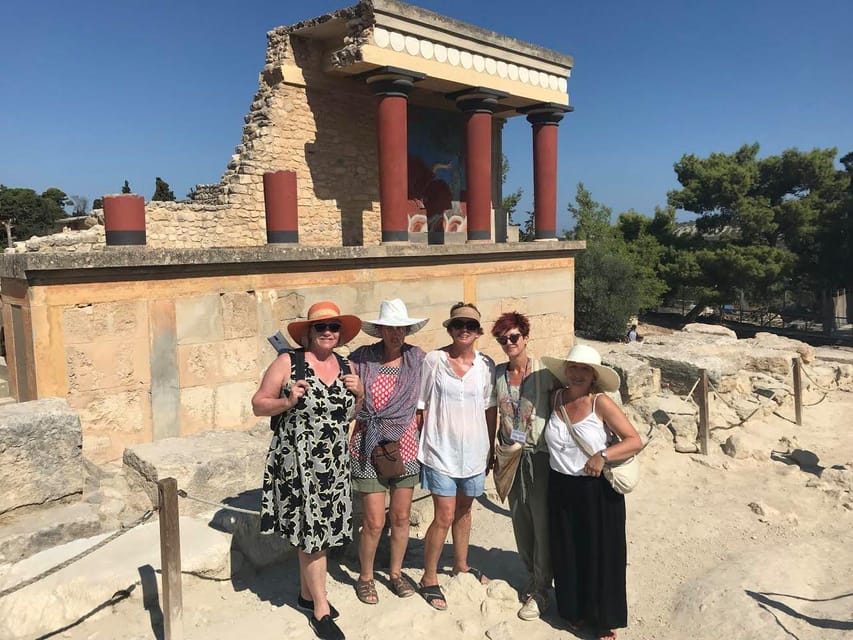
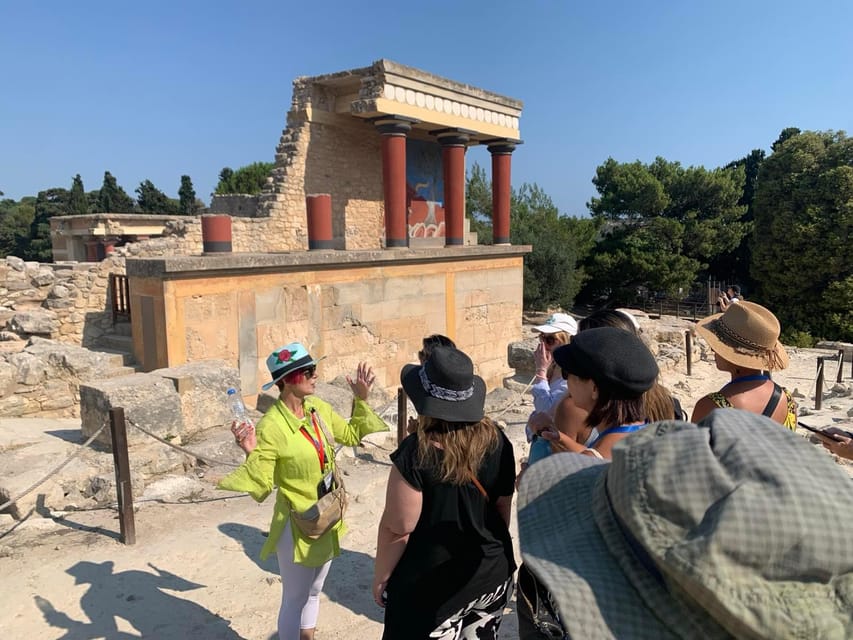
The tour is conducted in English by a licensed guide. The guide explains the palace’s history, architecture, technology, and myths while leading the group through the main areas.
An earlier booking review specifically praised the guide as excellent, informative, and helpful. No guide name is provided, so you should not book this expecting a particular named guide. The useful point is that the guide-led format has been the most strongly praised part of the experience.
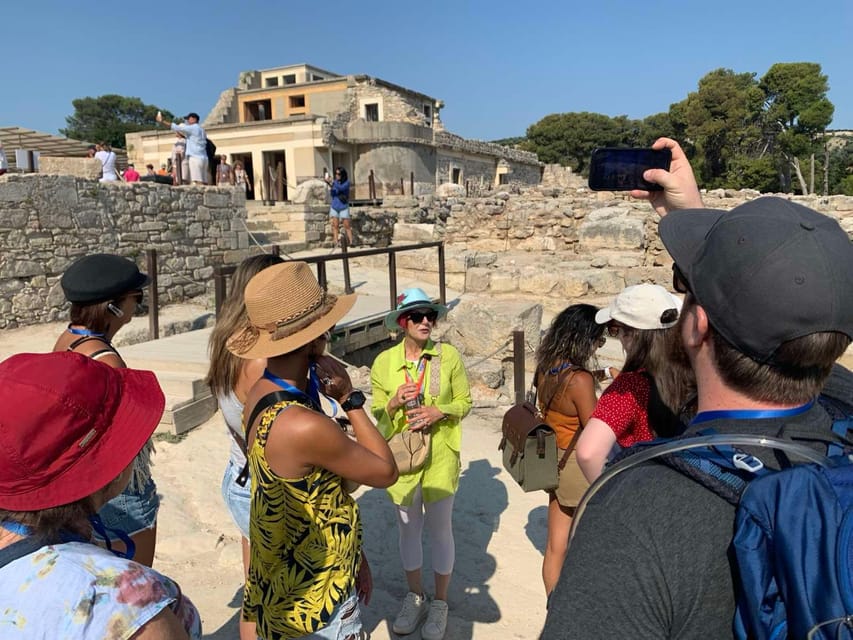
If the group has 7 to 16 participants, headsets are provided so you can hear better. That matters at an open archaeological site, where wind, distance, and nearby groups can make ordinary conversation difficult.
The tour is shared with other people, not private. A small-group setting should make it easier to follow the route than a large coach group, but you still need to stay with the guide and respect the strict start time.
Heat, Walking, and What to Bring
Knossos requires a significant amount of walking. Comfortable shoes are essential, particularly because archaeological sites often include uneven surfaces and frequent stops.
Bring water, sunscreen, and a sun hat. Food and drinks are not permitted inside the palace, so plan to eat and drink before entering or after leaving the site. Smoking is also not allowed on the premises.
The site is not suitable for pregnant women, people with mobility impairments, or wheelchair users. This is an important limitation, not a minor footnote. The walking demands and site conditions may make the route uncomfortable or impractical for anyone who needs step-free access or regular seating.
Central Heraklion pickup and return are available for an additional cost if you select that option. Without it, you meet at Knossos itself. If you are staying in central Heraklion, compare the add-on cost with the price and convenience of arranging your own transport.
Who Will Get the Most From This Tour
I would recommend this experience if you want the key sights explained in a short window. It works well for a first visit to Knossos, especially if you are interested in the connection between Greek mythology and real Bronze Age architecture.
It is also a good fit if you prefer structure. The guide takes you through the site, explains the major rooms, and puts the palace’s engineering and political role into context. Skip-the-line entry adds value when the ticket counter is busy.
You may want another option if you prefer to explore at your own pace. The 1.5-hour schedule is efficient, but it does not leave much time for lingering, sketching, taking extensive photographs, or studying every archaeological detail.
Families and casual history fans can get a lot from the Minotaur story, while architecture-minded visitors will appreciate the drainage systems, multi-level construction, workshops, and storage areas. Just be ready for heat and walking.
Should You Book the Labyrinth of Knossos Tour?
Book it if you want a guided introduction to Knossos with entry handled in advance. The strongest reasons are the licensed English-speaking guide, the clear route through the major sights, and the chance to understand practical Minoan life rather than hearing only the Minotaur legend.
Think twice if $104 feels high for a 1.5-hour visit or if you want a slow, independent exploration. The tour gives you focus and context, not unlimited time.
For most first-time visitors with a tight Crete schedule, I think the organized format is useful. Arrive 20 minutes early, wear sturdy shoes, carry water and sun protection, and treat the tour as a well-paced introduction to one of Europe’s most important Bronze Age sites.
FAQ
How long does the Knossos walking tour last?
The guided tour lasts 1.5 hours.
What language is the tour conducted in?
The live tour guide conducts the experience in English.
Is the Knossos entry ticket included?
Yes. General admission to Knossos Palace is included, with a listed value of 20 EUR.
Does the tour skip the ticket line?
Yes. The experience includes skip-the-ticket-line service at the ticket counter.
Where do I meet the guide?
Meet the guide next to the archaeological site entrance, in front of the ticket office. Look for the Meeting Point, WeGuide logo sign.
How early should I arrive?
Check-in begins 20 minutes before the scheduled start time. Tickets are valid only for the selected time slot, and arriving outside it can result in denied entry.
Is hotel pickup available?
Transfer to and from the central Heraklion city area is available as an extra-cost add-on if selected during booking.
Are headsets provided?
Headsets are provided when the group has more than six participants, for groups of 7 to 16 people.
What should I bring to Knossos?
Bring comfortable shoes, water, a sun hat, and sunscreen. Food and drinks are not permitted inside the palace, and smoking is not allowed on the premises.
More Skip the Line in Heraklion
- Heraklion: Knossos Private Guided Tour & Skip-the-Line Entry
★ 5.0 · 59 reviews - Heraklio:Knossos Palace-Museum-Heraklio ALL IN SKIP The line
★ 4.7 · 17 reviews - Heraklion: Heraklion Market & CretAquarium *SKIP The Line
★ 3.5 · 14 reviews - Half Day Private Tour to Knossos Palace (Skip the line) & Panoramic City Tour
★ 4.5 · 11 reviews
More Walking Tours in Heraklion
- Heraklion: Food Tastings Walking Tour
★ 5.0 · 136 reviews - Heraklion Food Stories Walking Tour with 8 local-favorite stops
★ 4.5 · 30 reviews - Archaeological Museum of Heraklion: Guided Walking Tour
★ 4.9 · 26 reviews - Heraklion – Walking city tour with food tasting
★ 4.5 · 25 reviews
Newest Heraklion write-ups
- Heraklion – Walking city tour with food tasting★ 4.5 · 25 reviews
- Private Full-Day Elafonisi★ 5.0 · 4 reviews
- Mirabello Luxuries with Spinalonga & Agios Nikolaos from Iraklion★ 4.5 · 7 reviews
- Cretan Flavors – Cooking Lessons and Wine Olive Oil Tasting★ 5.0 · 9 reviews
- Private Trekking Rouvas Gorge★ 4.5 · 4 reviews
- Ecobike All inclusive – 2 Day tour – Discover the real Crete★ 5.0 · 4 reviews
- Truffle Hunting, Culinary & Wine Celebration from Heraklion★ 5.0 · 6 reviews
- Private Guided Tour to Knossos Palace, the Museum and Heraklion★ 5.0 · 13 reviews
Knossos Palace Tours, compared.
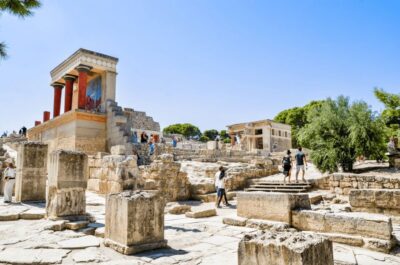
Knossos Palace Entry Ticket with Optional Audio Guide
Read our review →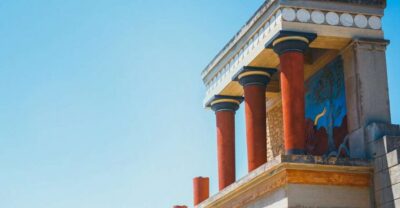
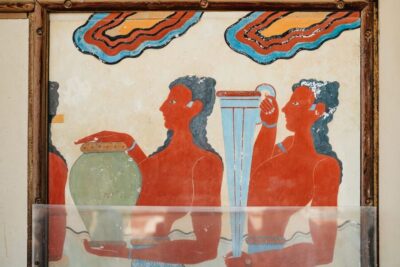
Knossos Palace Skip-the-Line Guided Walking Tour
Read our review →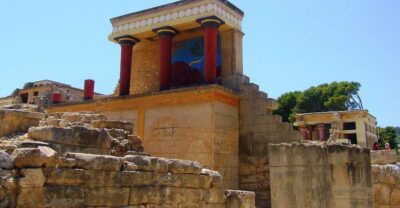
Knossos Palace and Museum E-Tickets with Audio Guides
Read our review →
Zeus Cave -Old Traditional Villages-Olive Oil Factory
Read our review →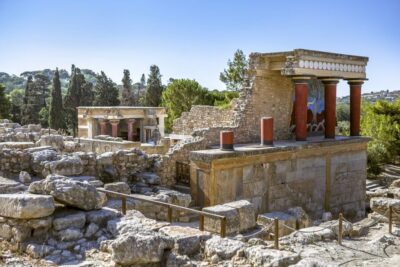
Knossos Palace Skip-the-Line Ticket & Private Guided Tour
Read our review →
Knossos, Lasithi, Lasinthos and Olive Farm Combo Tour
Read our review →Browse the lists this tour appears in