Reviewed · TOURS
Crete: Shepherd’s Life & Psiloritis Mountain Tour with Meal
The best part of this Psiloritis mountain tour is that you do not just look at rural Crete from a van window. You feed the farm animals, help milk a goat, make cheese, and use it in cheese pies. I like the hands-on nature of the day, and I like the generous farm lunch, where antikristo lamb provides the main event.
The outing also gives you a useful stop in Anogia, a traditional mountain village, before reaching the shepherd’s farm. The main drawback is the long day and the rural setting: you should be comfortable with animal contact, an unhurried meal, and a schedule built around village and farm life rather than tightly timed sightseeing.
Key points to know before booking
- Anogia adds a real village stop: You get about 40 minutes for coffee, photos, a walk, free time, or a little shopping.
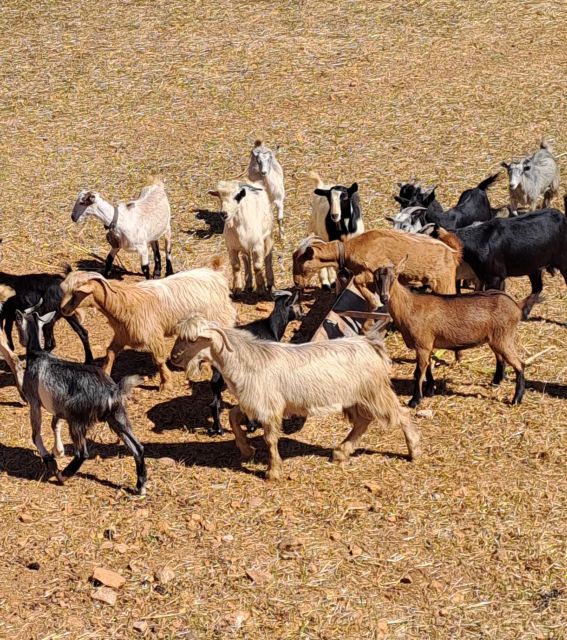
- The farm visit is hands-on: Feed deer, Kri Kri goats, pigs, sheep, and donkeys, then take part in milking and cheese making.
- Lunch is part of the experience: Antikristo lamb, wine, water, local cheese, snacks, and cheese pies are included.
- The group stays small: A maximum of eight people makes conversation and practical activities easier.
- Antonios may be your guide: He has been praised for translating clearly into English and keeping the day moving.
- The price covers a full package: At $124 per person, transport, pickup, guiding, food, drinks, insurance, taxes, and entrance fees are included.
From Crete’s coast to the Psiloritis foothills
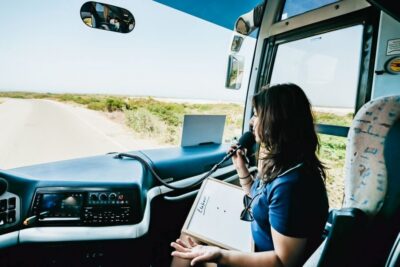
This is a seven-hour outing into the heart of Crete, with pickup and return to your accommodation. The exact starting time depends on availability, so check the schedule before you build the rest of your day around it.
The first drive takes about 50 minutes in the tour vehicle. That transfer matters because the character of Crete changes as you leave the more familiar resort areas. The tour is built around the mountain country near Psiloritis, not around a quick photo stop beside a main road.
Transport is included, as is pickup outside your accommodation reception. The group is limited to eight people, which is a useful size for a day that depends on conversation and participation. You can ask questions, hear translations, and get a closer look at the work being done at the farm without being lost in a large crowd.
If Antonios is leading your departure, you can expect an English and Greek speaking guide who can translate the practical parts of the visit. That matters when you are learning how cheese is made or trying to follow what the shepherd is doing.
Other Crete outings travellers line up next to this one:
- From Kissamos Port: Boat Cruise to Balos Lagoon & Gramvousa
★ 4.2 · 6,755 reviews - Crete: Day Trip to Agios Nikolaos and Spinalonga Island
★ 4.6 · 4,416 reviews - From Chania: Full-Day Samaria Gorge Trek Excursion & Guide
★ 4.6 · 3,191 reviews
Anogia gives you 40 minutes of mountain village life
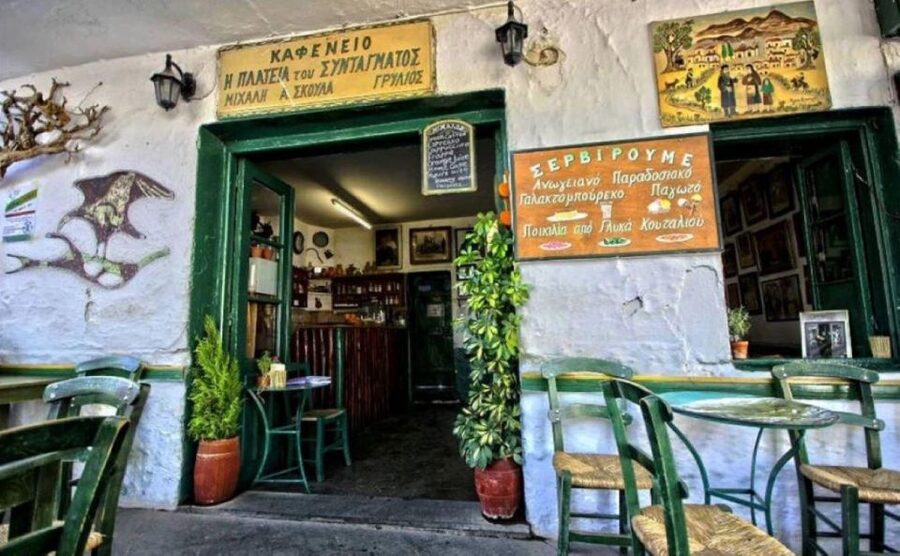
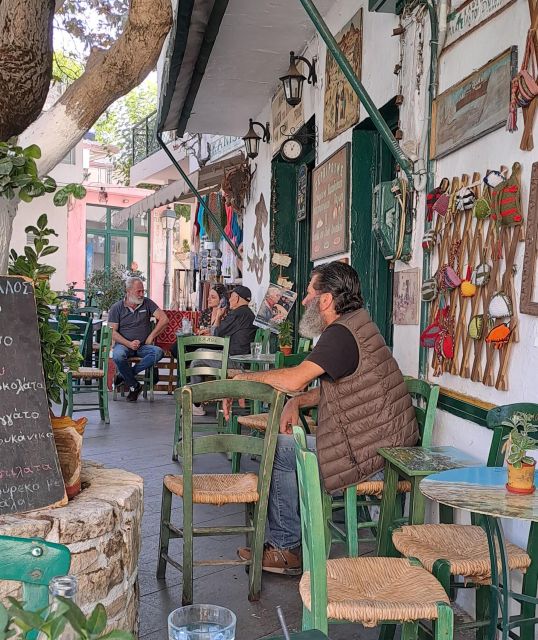
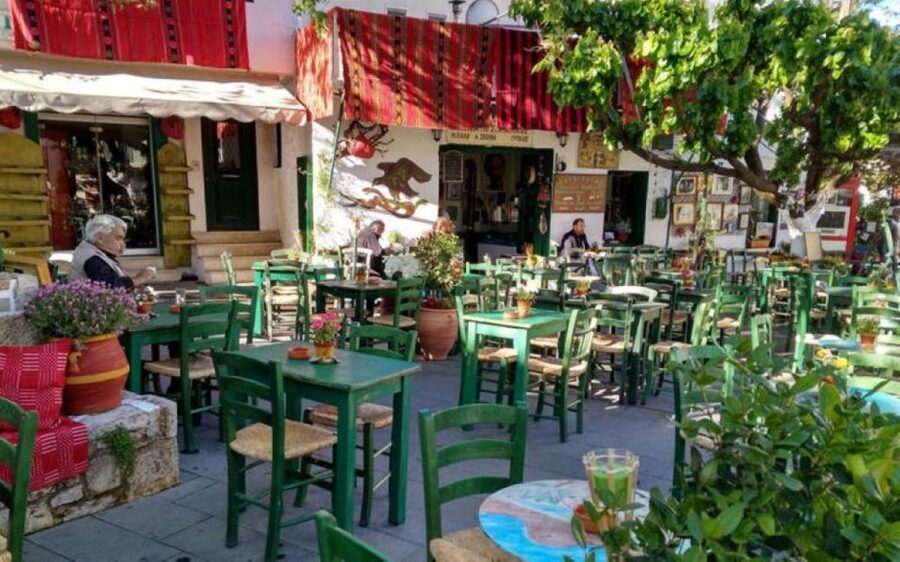
Your first proper stop is Anogia, on the slopes of Psiloritis mountain. The visit lasts about 40 minutes, enough for a refreshing drink at a traditional cafe and a short look around without turning the day into a formal village tour.
I like this pause because it breaks up the drive and gives you a sense of local life before the farm visit. You can sit in the square, take photographs, walk, browse for a small purchase, or simply enjoy the mountain setting with a coffee or other included refreshment.
Do not expect a long guided tour of Anogia. The stop is short and flexible. Its value is in the atmosphere and the chance to slow down. If you want extensive shopping or detailed village history, this will feel limited. If you want a calm introduction to a mountain community, it fits the day well.
After Anogia, you drive another 20 minutes toward the farm. The change from village square to working agricultural property is part of the point. You are not moving between unrelated attractions. The day gradually shifts from seeing rural Crete to taking part in it.
Feeding animals at a protected mountain farm
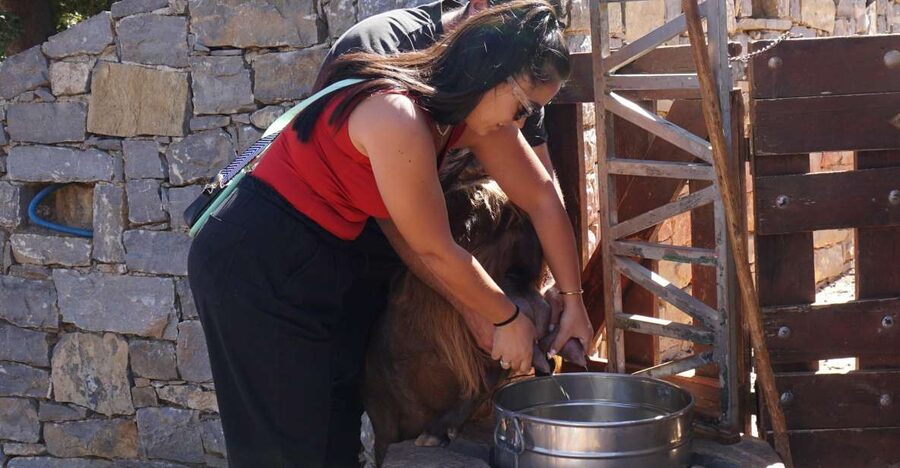
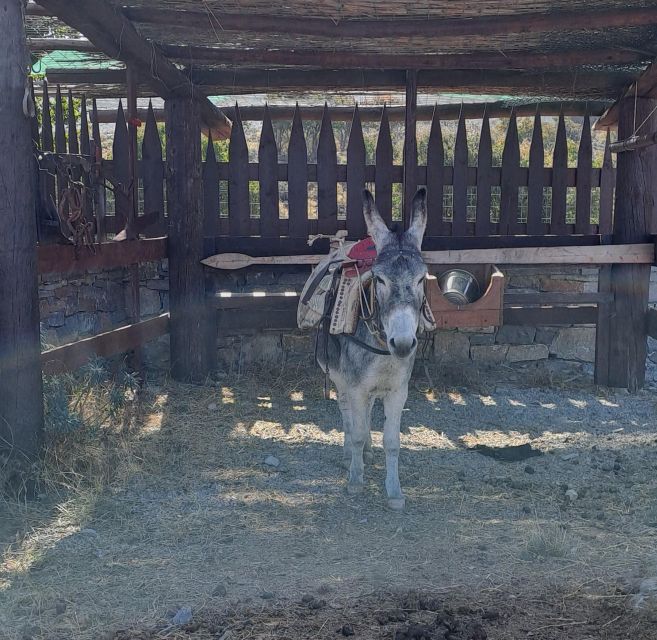
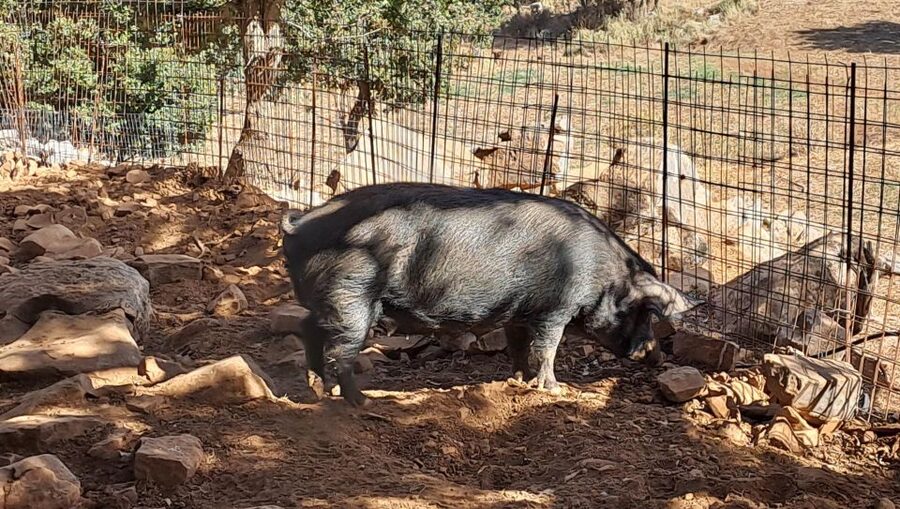
The farm sits at the foothills of Psiloritis, beside a natural heritage park protected by UNESCO. The garden area is home to several kinds of farm animals, including deer, Kri Kri goats, pigs, sheep, and donkeys.
The animal visit is not a quick glance through a fence. You are allowed to feed the animals and interact with them. That makes this a strong choice for families, animal lovers, and anyone who enjoys learning through simple physical tasks rather than listening to a long talk.
You should still treat the visit as a working farm experience. Animals are part of the daily setting, not performers arranged for a show. The description does not promise a petting zoo format or guaranteed contact with every animal, so keep your expectations sensible.
The Kri Kri goat is a particularly local touch. Seeing it alongside ordinary farm animals helps connect the visit to Crete rather than making it feel like a generic countryside stop. The setting also gives you time to look out toward Psiloritis and appreciate how farming fits into the mountain country.
Milking, cheese making, and cheese pies
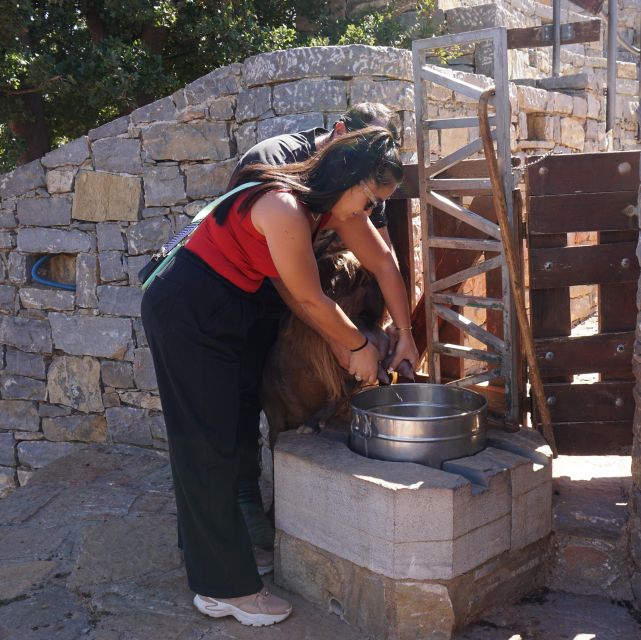
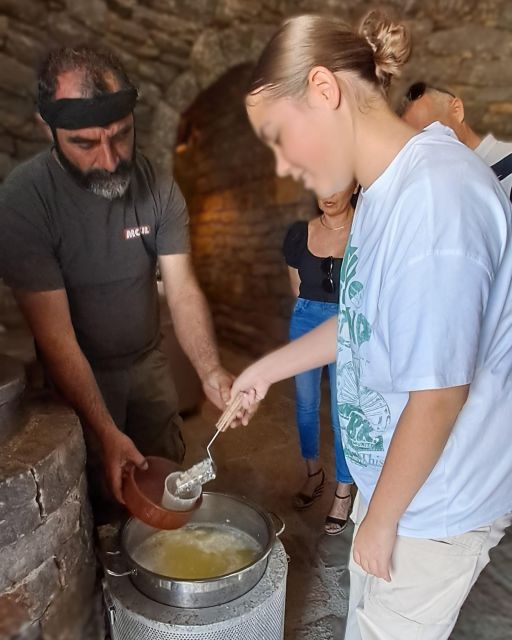
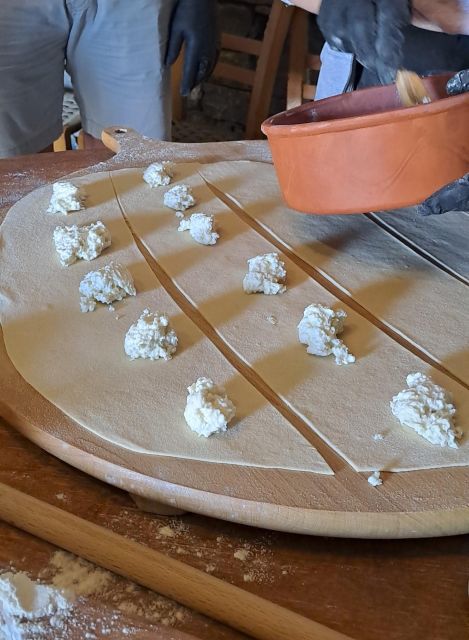
The most memorable part of the day is the cheese work. You can help milk a goat, learn about the farm’s methods, and make your own cheese in the shepherd’s cave.
That cave setting gives the activity a strong sense of place. You are not simply tasting a finished product in a shop. You see part of the process, handle the ingredients, and gain a basic understanding of how a shepherd turns fresh milk into food.
The cheese then becomes part of another task: making cheese pies. You get to connect the stages, from animal to milk, from milk to cheese, and from cheese to lunch or dessert. That connection is the real value here. It makes the meal feel earned rather than simply served.
A stop like this works best if you are willing to get involved. You might feed an animal, help with milking, watch the pies being prepared, and taste cheese made on the farm. It is not designed for someone who wants to remain completely hands-off.
The food component also seems especially strong. You can taste farm-produced cheese and raki, a traditional spirit, as part of the visit. Raki is included in the described tasting, but you should keep in mind that it is alcoholic and may not suit everyone.
Same island, a completely different kind of day:
- Agios Nikolaos: Boat Trip to Spinalonga with Swim Stop
★ 4.4 · 3,031 reviews - Heraklion: Dia Island Sailboat Cruise with Swimming and Meal
★ 4.8 · 2,579 reviews - Crete: Knossos Palace Entry Ticket with Optional Audio Guide
★ 3.9 · 2,251 reviews - Heraklion Area: CRETAquarium Admission Ticket
★ 4.4 · 2,055 reviews
Antikristo lamb makes lunch the main event
Lunch is served at the farm and includes antikristo lamb, a traditional Cretan preparation. The meal is presented as a farm-to-table experience, with wine, water, local snacks, cheese tasting, and the cheese pies included.
The available details describe the lunch as generous and filling. That is useful information when comparing this tour with a standard sightseeing trip where you pay separately for food. Here, the meal is not an afterthought squeezed between stops. It is one of the main reasons to choose the experience.
Antikristo is closely tied to Cretan shepherd culture, so the dish fits the setting better than a generic restaurant lunch would. You are eating the sort of food that makes sense after a morning spent around goats, sheep, and a shepherd’s cave.
The cheese pies add a playful finish. Because you help make them and then eat them, the food has a story attached to it. The day also includes local cheese and raki, giving you more than one taste of the farm’s production.
There is one practical point to remember: the menu is described rather than offered as a list of choices. If you have strict dietary needs, contact the provider before booking. The available information does not promise vegetarian, vegan, allergy-friendly, or other special meal options.
Wildlife observation and the quieter end of the day
After lunch and the food activities, the tour ends with wildlife observation and time to appreciate the rural setting. This final portion sounds less structured than the cheese making, which is a good thing if you prefer a slower finish.
You can use the time to take photographs, watch the animals, and notice how the farm operates. The experience is less about collecting another attraction and more about letting the setting stay with you.
The tour may also include a honey museum visit on the way back. This was described as a pleasant extra during one outing, but it is not listed as a formal stop in the main schedule. Treat it as a possible addition, not a guaranteed part of every departure.
The return brings you back to your accommodation in Crete. Since the full duration is about seven hours, you still have part of the day available, but you should not plan a tight evening appointment until you know the pickup time.
Is $124 a fair price?
At $124 per person, this is not a cheap transport-and-coffee excursion. It is a full package built around a small group and several included elements: pickup and return, vehicle transport, an experienced guide, the Anogia refreshment, farm entry and tour, food, wine, water, insurance, taxes, VAT, and entrance fees.
The price makes more sense when you count the experiences rather than the miles driven. You are paying for a village stop, animal interaction, milking, cheese making, cheese pies, a traditional lamb meal, tastings, and a guide who can explain and translate the process.
A large bus tour might cost less, but it would not offer the same small-group contact. A private food and farm outing could cost more, especially once transport and lunch are added. This tour sits in the middle: more personal than a basic coach trip, but not a private custom tour.
Value depends on what you want from Crete. If you mainly want ancient sites, beaches, or dramatic archaeological remains, this is not the best use of your money. If you want food, animals, village life, and a practical look at shepherd traditions, the inclusions make the cost reasonable.
Who will enjoy this day most?
I would recommend this tour to you if you enjoy local food, outdoor settings, small groups, and activities where you use your hands. Families may like feeding the animals and making cheese, while couples and solo visitors can expect a social day without joining a large crowd.
It also suits curious eaters. The lunch, cheese tasting, cheese pies, wine, and raki make food a central part of the outing rather than a minor convenience.
You may want to skip it if you dislike animal contact, have a very strict schedule, or prefer formal sightseeing with a guide speaking continuously about history. The day has a relaxed farm rhythm, and the strongest moments come from participating.
Wear something suitable for a working farm and be ready for outdoor time. The supplied details do not specify a dress code or footwear rules, but practical clothing is sensible for feeding animals and taking part in food preparation.
Free cancellation is available up to 24 hours before the tour for a full refund, and you can reserve now and pay later. Those terms help if your Crete plans are still shifting, but the starting time remains something you need to check before booking.
Should you book the shepherd’s life tour?
Book it if you want a close look at rural Crete rather than another pass-by view. The strongest reasons are the hands-on animal work, the cheese making in the shepherd’s cave, and the antikristo lamb lunch served with products connected to the farm.
I would especially choose it for a seven-hour day away from the coast, provided you are happy with a small group and a flexible countryside pace. The main limitation is simple: this is a farm experience first, not a major sightseeing tour.
At $124, the tour earns its price through what it includes and how much you take part. If milking a goat, shaping cheese pies, tasting farm cheese, and sharing a traditional meal sound more appealing than another museum, this is a strong choice for your Crete itinerary.
FAQ
How long does the shepherd’s life tour last?
The experience lasts about seven hours. Check availability for the specific starting time.
Is pickup from my accommodation included?
Yes. Pickup and return to your accommodation are included, with pickup taking place outside the reception area.
What languages are available?
The live tour guide service is available in English and Greek.
How large is the tour group?
The experience is limited to eight participants, making it a small-group tour.
What animals can I see and feed?
The farm has deer, Kri Kri goats, pigs, sheep, and donkeys. You are allowed to feed and interact with the protected farm animals.
Is lunch included?
Yes. Lunch includes traditional antikristo lamb, along with wine and water. The experience also includes local snacks, cheese tasting, and cheese pies made during the visit.
Can I cancel for a full refund?
Yes. You can cancel up to 24 hours in advance for a full refund. You can also reserve the tour and pay later.
Newest Crete write-ups
- Heraklion – Walking city tour with food tasting★ 4.5 · 25 reviews
- Private Full-Day Elafonisi★ 5.0 · 4 reviews
- Mirabello Luxuries with Spinalonga & Agios Nikolaos from Iraklion★ 4.5 · 7 reviews
- Cretan Flavors – Cooking Lessons and Wine Olive Oil Tasting★ 5.0 · 9 reviews
- Private Trekking Rouvas Gorge★ 4.5 · 4 reviews
- Ecobike All inclusive – 2 Day tour – Discover the real Crete★ 5.0 · 4 reviews
- Truffle Hunting, Culinary & Wine Celebration from Heraklion★ 5.0 · 6 reviews
- Secrets of West Crete & Rethymno Town Private Tour from Heraklion★ 5.0 · 9 reviews
Tours, compared.
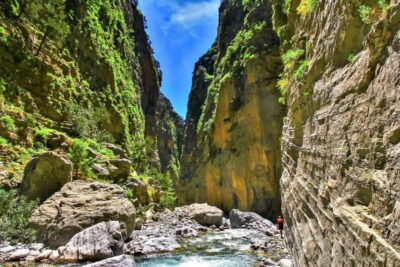
Full-Day Samaria Gorge Trek Excursion & Guide
Read our review →
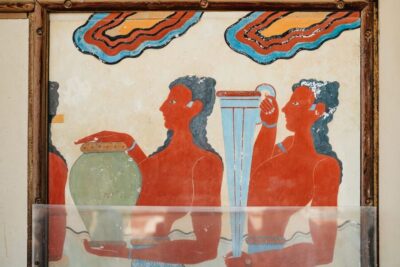
Knossos Palace Skip-the-Line Guided Walking Tour
Read our review →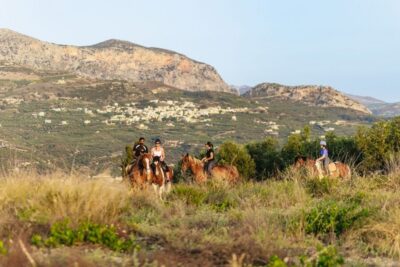
Finikia Horse Riding Tour with Lunch or Dinner
Read our review →
Full-Day Small-Group Tour in Crete with Zeus Cave Visit
Read our review →