
Reviewed · MUSEUMS
Lychnostatis Open Air Museum: Entry Ticket with Add-Ons
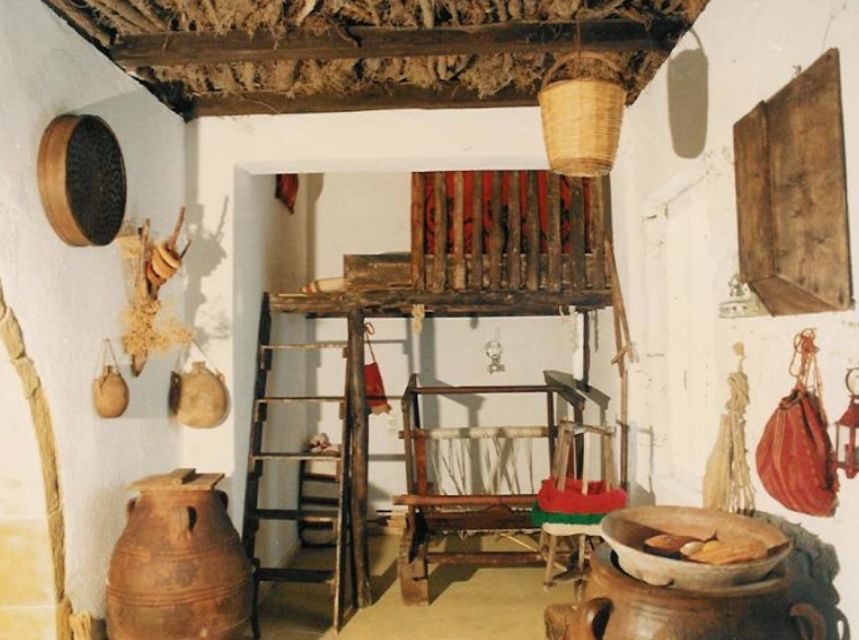
Lychnostatis is not a glass case museum. It is a recreated Cretan village where you can walk into a traditional home, inspect an olive press, peer into a raki distillery, and see the tools that shaped daily life. The focus is ordinary Cretan life, not grand palaces or famous rulers.
I like the chance to connect familiar local products, such as olive oil, wine, herbs, and raki, with the work behind them. I also like the mix of buildings, workshops, gardens, and exhibitions, which gives you more to see than a row of display cases.
The main consideration is transportation. Entry costs about $10 per person, but you must arrange your own car or taxi to the museum. The live guide option is in Greek, so an audiovisual film or self-guided visit may suit you better if you do not understand Greek.
Key points to know before you go
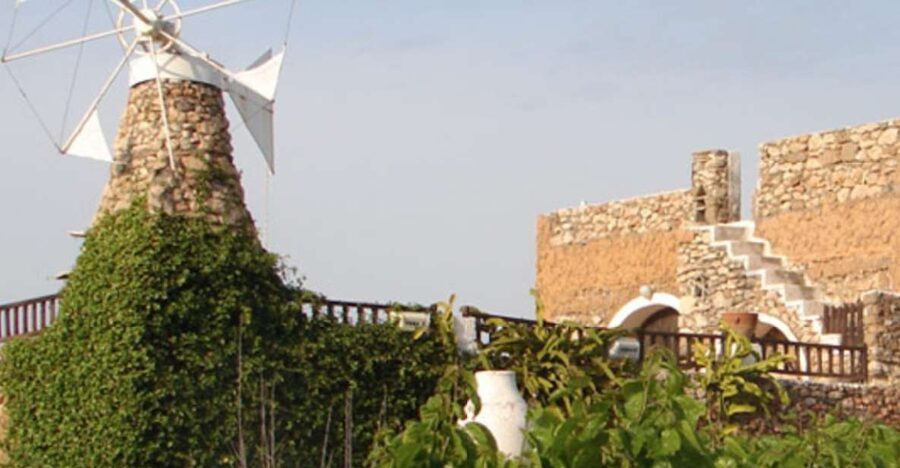
- A village-style museum: Walk through traditional dwellings, a chapel, a distillery, an olive oil press, and other working spaces.
- A look at life 200 years ago: Everyday tools and workshops explain how Cretan families worked, made goods, and used local resources.
- More than buildings: Gardens, a herbarium, mineral displays, folk art, and temporary exhibitions widen the visit beyond architecture.
- Optional ways to add context: Choose an audiovisual film or a private guided group tour in Greek.
- A simple $10 entry price: The ticket includes admission and free time, but food, drinks, and transportation cost extra.
- A pleasant finish: The café serves a typical Cretan beverage or sweet, and the shop offers souvenirs.
What Lychnostatis tells you about Crete
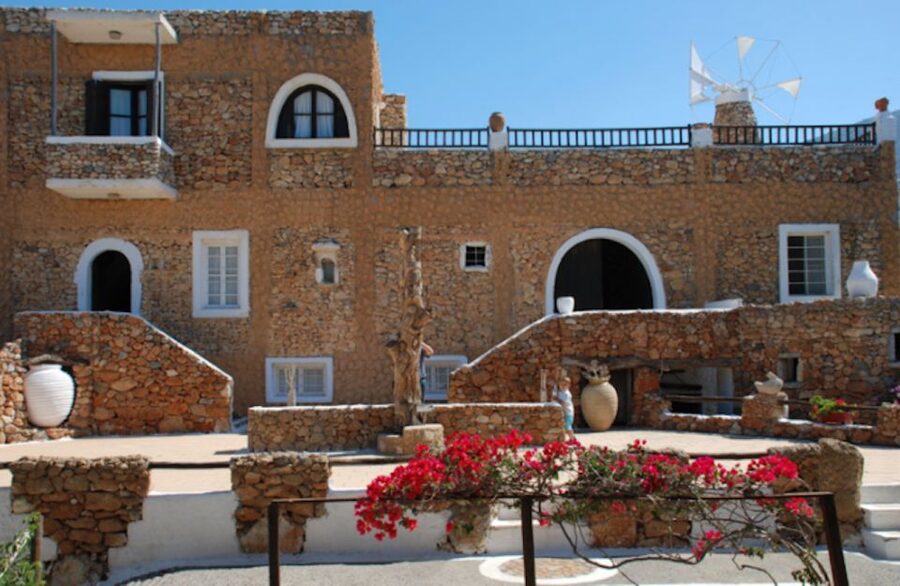
Lychnostatis Open Air Museum is built around a straightforward idea: to help you understand Cretan folk culture by showing the places and objects that shaped it. Instead of treating tradition as a distant subject, the museum places it in homes, workshops, gardens, and farm buildings.
That approach matters in Crete. You will see olive oil, herbs, grapes, wool, wood, stone, and clay throughout the island, but it is easy to enjoy these things without seeing the labor behind them. Here, you can trace those connections through tools and working areas.
The museum covers three broad subjects: Cretan folk tradition and ethnology, the island’s natural environment, and everyday folk culture. You can spend as little as a short visit on the main buildings or use the full day of validity to take your time.
Do not expect a large archaeological museum filled with Minoan artifacts. This is a folk museum, focused on relatively recent Cretan life and the skills used in village communities. The setting is practical and hands-on, with plenty of outdoor areas.
More museums and sites in Crete:
- Crete: Knossos Palace and Museum E-Tickets with Audio Guides
★ 4.0 · 828 reviews - Heraklion Archaeological Museum Ticket & Audio Guide
★ 4.3 · 396 reviews - Minoans World 3D Museum & 9D Cinema
★ 4.5 · 315 reviews
Traditional homes and the working village
Begin with the traditional village house. Entering the home gives you a better sense of domestic life than reading a label about it. The rooms and objects show how families organized daily tasks, stored supplies, and used handmade equipment.
The buildings are valuable because they bring scale to the past. A tool on a shelf is one thing. Seeing it in the sort of room where it was used gives you a clearer picture of work and family life.
The chapel adds another part of the village story. It helps place household routines within the religious life of the community, without turning the visit into a formal church tour.
The museum also includes a threshing floor. This is one of the clearest examples of how much work once went into producing basic food. Look at it alongside the olive press and grain-related tools, and you begin to see a local economy built around seasonal labor.
I would take your time in these areas rather than rushing to the more unusual displays. The house, chapel, threshing floor, and press form the core of the visit. They explain the setting before you move on to crafts and nature.
The raki distillery and olive oil press
The tsikoudia distillery is one of the most memorable stops. Tsikoudia, often called raki, is a traditional Cretan spirit, and the distillery shows how local production was tied to the grape harvest and village life.
You are not simply looking at a bottle of liquor in a shop. You are seeing the equipment and setting connected with its production. That makes a tasting or café stop later more meaningful, though food and drinks are not part of the admission ticket.
The olive oil press offers a similar connection. Olive oil is central to Cretan cooking and daily life, but the old press shows the physical work required before modern machinery. It is a useful reminder that the products associated with Crete came from repeated seasonal tasks.
These two stops are especially worthwhile if you are spending time in Hersonissos or along the north coast and want more local context than a beach resort provides. They also make the museum useful for families, since the machinery and workspaces can be easier to grasp than a long historical explanation.
Crafts that keep old skills visible
Lychnostatis includes several craft workshops, each showing a different part of village production. You can see areas devoted to weaving, plant dyeing, wax and bee work, shoemaking, carpentry, and ceramics.
The value here is variety. A single craft exhibit can feel narrow, but these workshops show how many skills were needed to make clothing, tools, containers, footwear, and household goods. You get a picture of a community that repaired and produced much of what it used.
The ceramic shop and folk artists’ gallery add a more decorative side. The displays connect useful objects with Cretan design and local artistic work. If you like buying something connected to a place, the souvenir shop gives you a chance to look for a physical reminder after seeing how traditional objects were made.
Do not assume every workshop is a live demonstration. The supplied information describes the areas and collections, but it does not promise scheduled hands-on activity. Think of them as places to inspect and understand rather than guaranteed craft classes.
A few more Crete trips worth weighing up
- Crete: Knossos Palace Entry Ticket with Optional Audio Guide
★ 3.9 · 2,251 reviews - Heraklion Area: CRETAquarium Admission Ticket
★ 4.4 · 2,055 reviews - Crete: Palace of Knossos E-Ticket and Audio Guide
★ 3.8 · 1,540 reviews - Chania: Balos Gramvousa Cruise with Transfer and Boat Ticket
★ 4.1 · 925 reviews
Gardens, herbs, stones, and Cretan nature
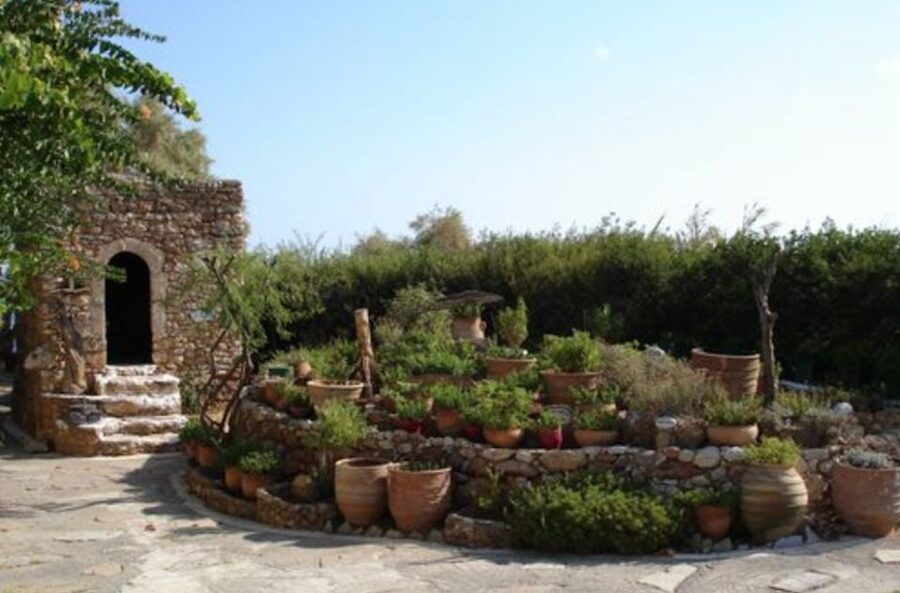
The museum is not limited to buildings. Its Cretan fruit garden, herb garden, herbarium, and mineral and stone exhibition bring the island’s natural materials into the story.
The herb areas are a good match for anyone interested in Cretan cooking or traditional remedies. They show why plants mattered beyond decoration. The fruit garden adds another link between local growing conditions and the food served in homes.
The herbarium gives the museum a more organized reference side, while the mineral and stone exhibition provides a look at the island’s geology. These sections are helpful if you want to see how Cretan culture grew from the materials available on the island.
I would not rush through the outdoor sections on a hot day. The museum visit involves walking between different spaces, and the open-air format means the weather will affect your comfort. Carry water and use the café as a natural pause in the visit. Food and drinks are not included, but the café offers a typical beverage or sweet.
The library, films, and optional Greek tour
The library contains books and periodicals about Crete. It is not likely to be the main reason for a first visit, but it gives the museum a research and preservation role beyond its outdoor displays.
The auditorium has 100 seats for audiovisual shows, seminars, and related events. If you select the audiovisual film, you can add a more structured explanation to your visit. The film may be the better choice for you if you want background but do not need a private guide.
A private guided group tour is also available as an add-on. The live guide language is Greek, so confirm that this suits your party before paying for the option. A Greek-speaking guide could provide useful local context, but the language limit is important for international visitors.
The open-air theater has 250 seats and is used for cultural and artistic events. These events are not automatically part of the entry ticket, so treat the theater as one of the museum’s facilities rather than a guaranteed performance stop.
Temporary exhibitions can change the feel of the visit from one date to another. Since the available information does not list a specific exhibition, check what is scheduled if that part of the museum matters to you.
How much time should you allow?
The ticket is valid for one day, and the museum provides free time to explore. That flexibility is useful because Lychnostatis is not just one building. You can look closely at the homes and workshops, stop at the café, visit the library, and spend time in the gardens without racing from room to room.
A quick visit will cover the main traditional buildings and the distillery. A longer visit makes more sense if you want to examine the craft areas, outdoor collections, library, temporary hall, and natural displays.
The exact starting time depends on availability. There is no fixed itinerary that forces you to move as a group unless you choose the private tour. That makes the basic ticket a good fit for independent sightseeing.
Printed information may not always be in ideal shape. A Finnish visitor specifically found some information sheets damp and worn from heavy use. That is a small issue, but it is worth knowing if you depend on every handout for translation or explanation. You may want to use the audiovisual option or take your time with the signs rather than expecting polished printed material everywhere.
The $10 ticket and what you get
At about $10 per person, the basic ticket is fairly priced for a museum with multiple buildings, gardens, workshops, exhibitions, a library, a café, and performance spaces. You are paying for access to a whole cultural site rather than a single gallery.
The value is strongest if you care about context. If you only want a quick photo stop, you may not use enough of the museum to justify a long journey. If you have an interest in food, crafts, rural life, or Cretan identity, the ticket gives you several subjects to follow.
The admission includes free time to explore and lets you skip the ticket line. It does not include transportation, food, or drinks. You reach the museum by car or taxi, so include that cost when comparing it with organized excursions that provide hotel pickup.
The audiovisual film and private tour cost extra when selected. I would choose the film if you want a concise introduction and the private tour if you are specifically comfortable with a Greek-language guide and want personal attention.
Who will enjoy Lychnostatis most?
I would recommend this museum to you if you want to understand the everyday side of Crete. It suits people who like local food traditions, old tools, folk art, gardens, and buildings more than large archaeological collections.
Families can benefit from the range of spaces. A traditional house, a distillery, a workshop, and a garden offer more visual variety than a room full of small artifacts. Children may find the old tools and production areas easier to relate to, though the visit is still educational rather than an amusement attraction.
It also suits repeat visitors to Crete. After seeing beaches, resorts, and famous ruins, you may want a quieter look at how local communities lived and worked.
The museum is wheelchair accessible, which makes it a practical option for many visitors. Still, the site includes outdoor areas and multiple buildings, so ask the museum directly about any specific route or section you need to reach.
You may want to skip it if your schedule is extremely tight, you dislike open-air museums, or you require an English-language live guide. The Greek guide option will not solve that language concern, while the basic visit may depend more heavily on signs and your own pace.
Practical details for a smoother visit
Start with the traditional house and core village buildings. They give you the background needed to understand the later workshops and gardens.
Save the café for the middle or end of your visit. A Cretan sweet or typical beverage can connect nicely with the food and drink traditions shown in the distillery, olive press, and gardens.
If you choose the private tour, confirm the guide language before booking. The listed live tour language is Greek.
Allow for your own transport. The meeting point is the museum itself, and you can arrive by car or taxi. No transportation is included.
The activity allows cancellation up to 24 hours before the visit for a full refund, and you can reserve now while paying later. That flexibility helps if your Crete plans depend on weather or changing day trips.
Should you book Lychnostatis?
Book it if you want a grounded look at Cretan culture, especially the work behind olive oil, raki, crafts, food, and village life. The $10 entry is reasonable, and the museum gives you enough variety to fill a relaxed part of the day.
Choose the basic ticket if you prefer to explore alone. Add the audiovisual film if you want more explanation, and choose the private tour only if a Greek-language guide works for your group.
I would not make this your only cultural stop in Crete, but I would gladly pair it with time on the north coast. It is most useful when you want to see how daily life shaped the island, not simply collect another attraction.
FAQ
Where is Lychnostatis Open Air Museum?
The museum is in Crete, Greece. You begin the experience at the museum itself and can reach it by car or taxi.
How much does entry cost?
The listed price is about $10 per person. Optional audiovisual films and private guided tours may be selected as add-ons.
How long is the visit?
The ticket is valid for one day, and you have free time to explore the museum. The time you need depends on how closely you examine the buildings, workshops, gardens, exhibitions, library, and café.
What does the basic entry ticket include?
It includes museum admission and free time to explore. Transportation, food, and drinks are not included.
Is a guided tour available?
Yes. You can add a private guided group tour. The listed live tour guide language is Greek.
Is the audiovisual film included?
The audiovisual film is included only if you select that option when booking. It is not part of the basic entry ticket.
Is the museum wheelchair accessible?
Yes, the activity is listed as wheelchair accessible. The museum includes outdoor areas and multiple buildings, so you may wish to confirm access to a particular section in advance.
Newest Crete write-ups
- Heraklion – Walking city tour with food tasting★ 4.5 · 25 reviews
- Private Full-Day Elafonisi★ 5.0 · 4 reviews
- Mirabello Luxuries with Spinalonga & Agios Nikolaos from Iraklion★ 4.5 · 7 reviews
- Cretan Flavors – Cooking Lessons and Wine Olive Oil Tasting★ 5.0 · 9 reviews
- Private Trekking Rouvas Gorge★ 4.5 · 4 reviews
- Truffle Hunting, Culinary & Wine Celebration from Heraklion★ 5.0 · 6 reviews
- Ecobike All inclusive – 2 Day tour – Discover the real Crete★ 5.0 · 4 reviews
- Secrets of West Crete & Rethymno Town Private Tour from Heraklion★ 5.0 · 9 reviews
Museums, compared.
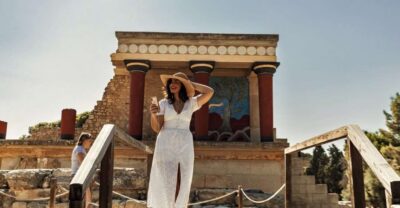
Knossos Palace and Museum E-Tickets with Audio Guides
Read our review →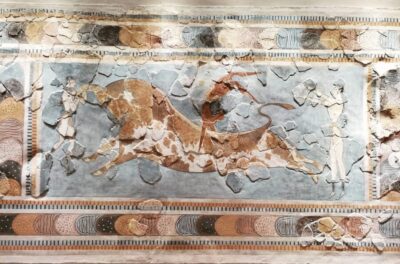
Heraklion Archaeological Museum Ticket & Audio Guide
Read our review →
Knossos Palace and Museum E-Tickets with Audio Guides
Read our review →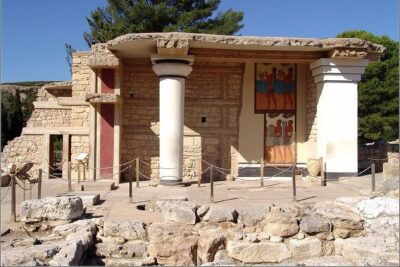
Knossos Palace, Museum & Rethymno city Private Tour from Chania
Read our review →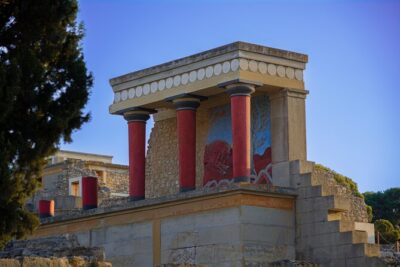
Heraklion Highlights: Knossos, Museum & Historic City Drive
Read our review →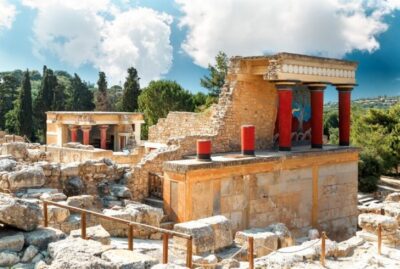
Knossos Palace, Museum & Heraklion City Tour From Chania
Read our review →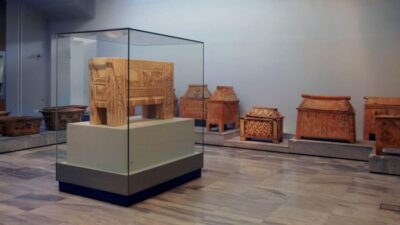
Knossos E-Ticket with Audio Guide & Optional Museum
Read our review →Browse the lists this tour appears in