
Reviewed · CRETAN COOKING CLASSES
Chania: Authentic Cooking Class
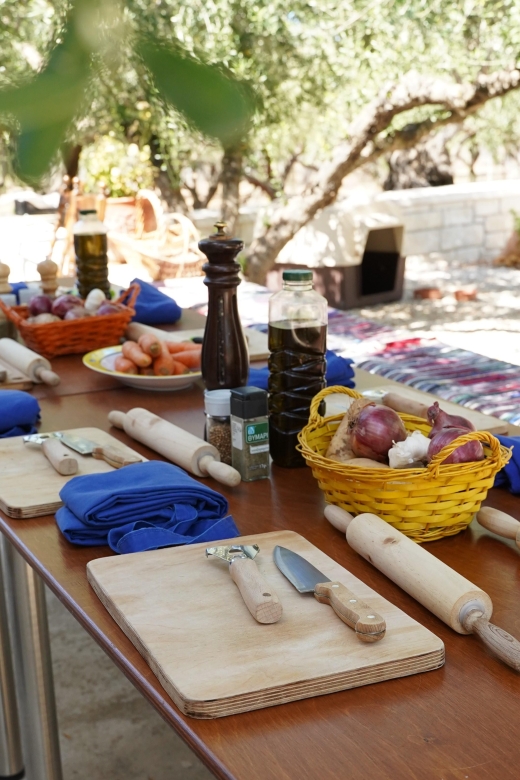
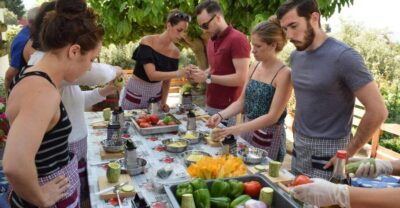
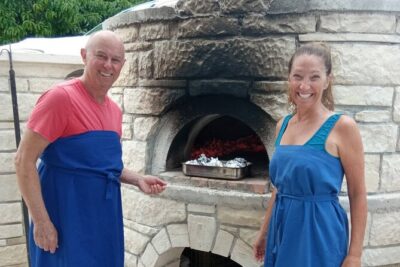
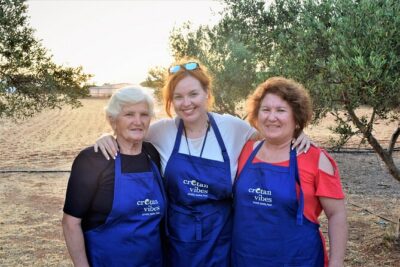
The most memorable part of this Chania cooking class is not just the food. It is the setting: a family home in Nerokourou, with an olive grove, garden, wood-fired oven, and tables shaded by avocado and olive trees. Veerna leads the class with help from family members, including her brother Kostas and her brother Nikos, creating a relaxed meal with a distinctly local feel.
I like the fresh garden ingredients and the way the class links each recipe to Cretan life. I also like that you do not simply cook and leave. You sit down for a full meal with wine, raki, dessert, and the people who taught you. The main consideration is transport: the property is outside central Chania, and pickup costs extra.
Key points to know before booking
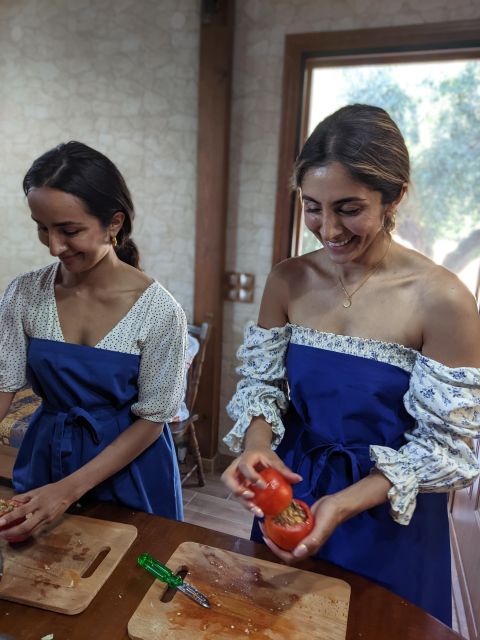
- A family kitchen outside Chania: The class takes place at the family home and olive grove in Nerokourou, about 10 to 15 minutes from the city center.
- Five substantial Cretan dishes: You help prepare lamb, stuffed vegetables, dolmades, kalitsounia, tzatziki, and dakos.
- The meal begins before the class does: Start with homemade refreshments or Greek coffee, cookies, and an introduction to the menu.
- Fresh food with a story: Pick herbs and vegetables from the garden and hear why the oven-roasted lamb is known as the thieves dinner.
- A generous finish: Lunch or dinner includes local wine, raki, dessert, and the food you prepared.
- Plan your ride: Drive or take a taxi, park along the fence, or request a semi-private transfer for an extra fee.
A family home in Nerokourou, not a city cooking studio

This experience takes you away from Chania’s old harbor and into Nerokourou, a beautiful area roughly 10 to 15 minutes from the city center. The setting matters. You are not working in a polished restaurant kitchen designed for quick demonstrations. You are welcomed into a family property with an olive orchard, herb garden, outdoor cooking area, and a wood-fired stone oven.
That home setting shapes the class. Family members may stop by to say hello, and the cooking is mixed with conversation, local stories, and time outdoors. Several people who attended with children, including children aged 11 and 14, found the atmosphere easy and welcoming. If you want a formal lesson with quiet concentration, this may feel more social than expected. If you want to meet the people behind the food, it is a strong fit.
Veerna is the main cook and teacher. Her kalitsounia, small traditional Cretan pies, have been sold for years, so this is one of the dishes where you get instruction from someone with a particularly practiced hand. Kostas, Nikos, and other family members help with the cooking and hosting. The class is conducted in English.
More Cooking Classes in Chania
- Chania: Authentic Cooking Class in the White Mountains
★ 4.9 · 529 reviews - Chania Cooking Class-The Authentic Enjoy traditional Cretan meal
★ 5.0 · 339 reviews - Cretan Delights – Wine, Olive Oil & Cooking Workshop from Chania
★ 5.0 · 25 reviews
Your first coffee, cookies, and Cretan menu
The class begins with a homemade refreshment or Greek coffee from Veerna. You have cookies while the menu is explained, which gives you time to settle in and meet the other people at the table.
This opening is useful because Cretan cooking makes more sense when you understand the order of the meal. You are not just making unrelated dishes. You are preparing a full spread built around vegetables, herbs, olive oil, cheese, bread or pastry, and slow-cooked meat.
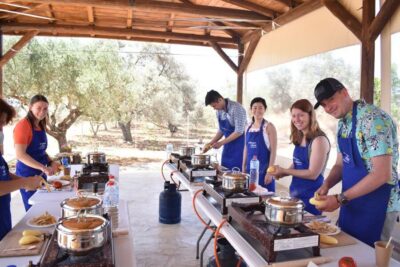
The pace is also practical. One dish goes into the oven while you work on another. A class lasting about four hours can sound long, but the cooking is arranged so you are usually doing something, eating, talking, or looking around the property. One session ran about four and a half hours, so do not schedule a tight appointment immediately afterward.
The thieves dinner and the wood-fired oven
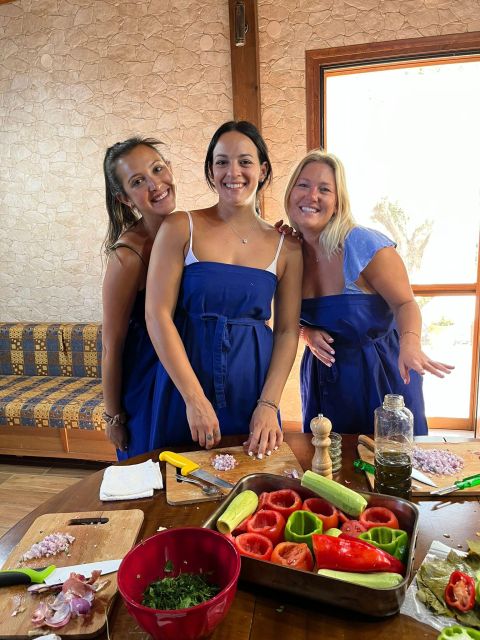
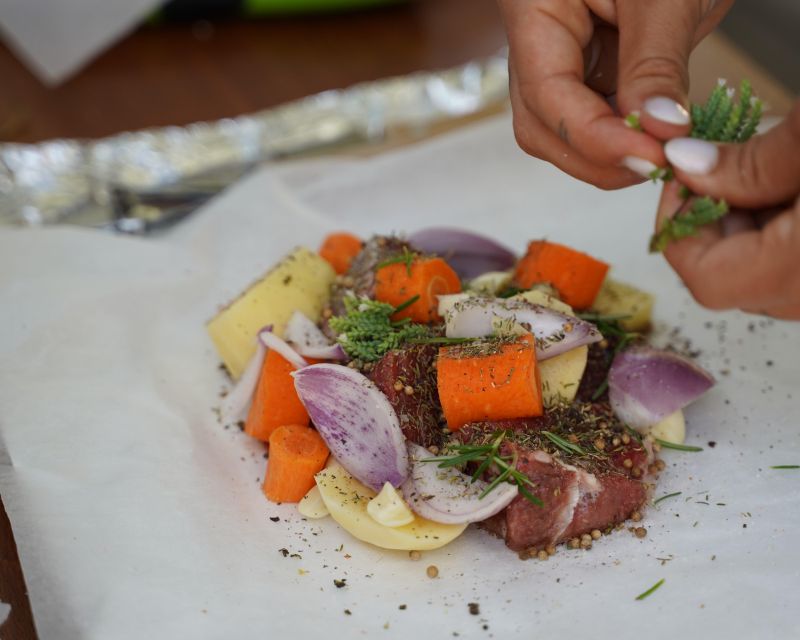
The first major task is the oven-roasted lamb. It goes into the wood-fired stone oven early, where it cooks for more than two hours while you prepare the rest of the meal.
You also hear the story behind the name thieves dinner. The dish is tied to a historic practice in Crete, when meat was cooked discreetly and slowly, away from watchful eyes. The story gives the lamb more meaning than a standard roast recipe. You are learning how food connected to survival, family, and local custom.
The oven is one of the most distinctive parts of the class, but it also means this is not a quick, hands-off demonstration. Slow cooking sets the rhythm for the afternoon or evening. If you prefer a class that produces several finished dishes in under two hours, this experience may feel leisurely. I see that as part of its value. The meal is built over time, like a family Sunday lunch rather than a timed kitchen contest.
From garden herbs to stuffed vegetables and dolmades
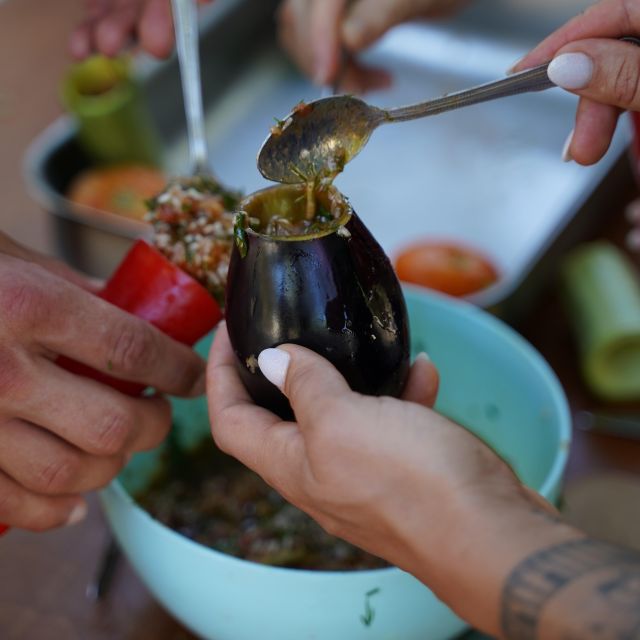
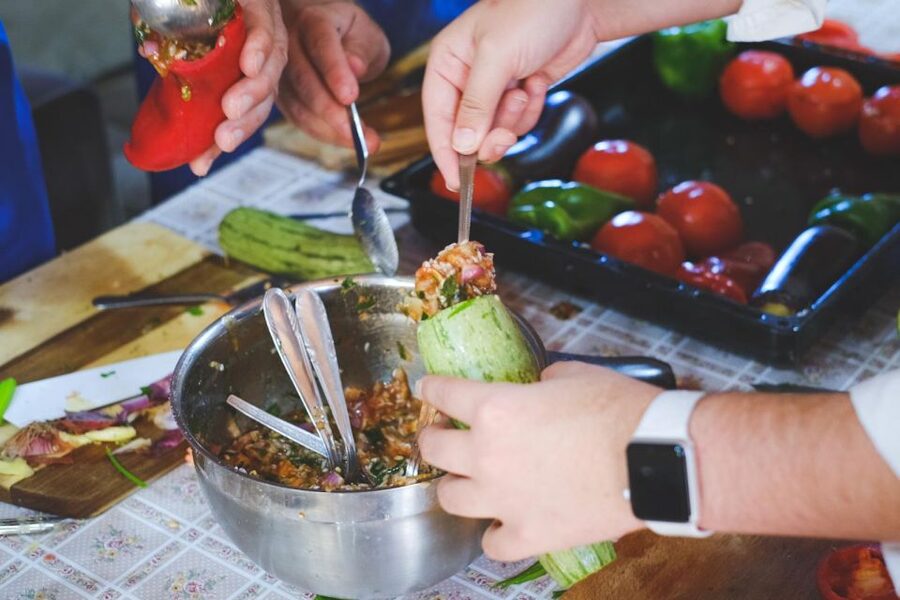
Next, you gather herbs and vegetables from the garden for the stuffing. Using produce picked on the property gives you a direct sense of how Cretan food is connected to the seasons and to home gardens.
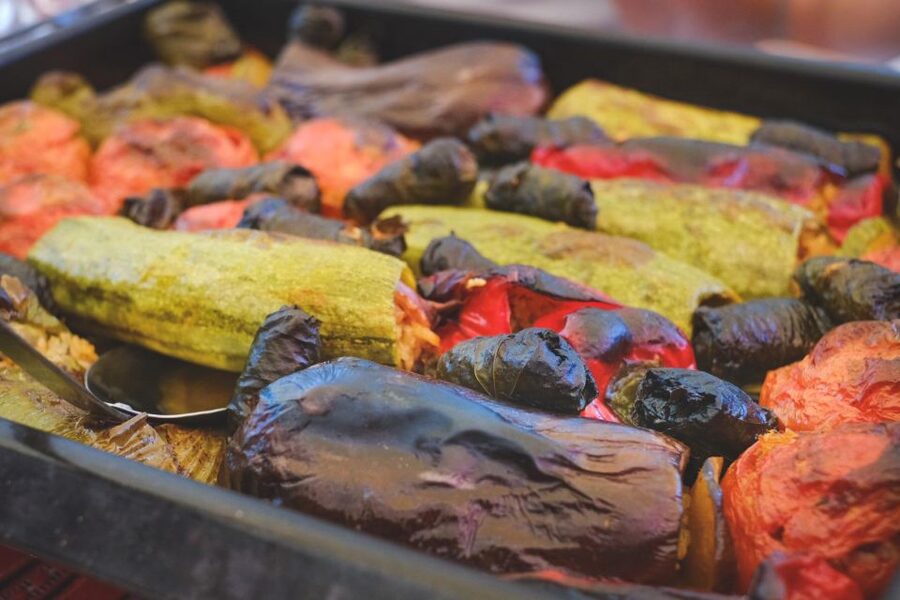
You prepare stuffed vegetables and stuffed grape leaves, known as dolmades. Rolling grape leaves is presented as a skill, and you get to practice it yourself rather than watching someone else do all the work. The leaves then go into the oven alongside the other dishes.
This is a good part of the class for anyone who wants techniques that can be repeated at home. The process is hands-on but not presented as intimidating. One participant with a broken wrist received help with the preparation, and vegetarian alternatives were provided when needed. Still, tell the hosts about dietary or physical needs in advance so they can plan properly.
The stuffed vegetables and dolmades also show why the class works well for families. The tasks can be shared, and younger cooks can take part without needing advanced knife skills. The menu includes vegetables in a form that even reluctant young eaters may be willing to try.
More Cretan cooking classes in Chania:
- Chania Area: Cooking Class at a Farm in Stylos Village (organic)
★ 5.0 · 19 reviews - Chania Cooking Class in Crete with rustic, delicious and homely Cretan food!
★ 4.5 · 14 reviews - Authentic and Traditional Cooking Class in Chania Crete
★ 5.0 · 5 reviews - The Real Cretan Cooking Experience
★ 5.0 · 528 reviews
Rolling pastry for Veerna’s kalitsounia
After the stuffed dishes are underway, it is time for the kalitsounia. You roll out the dough with a rolling pin and fill the small pies with cheese and wild greens.
This is likely the most technically interesting part of the class. Dough can seem simple until you try to get the thickness right, and working with pastry gives you a useful skill to take home. You may find it easier in the class than in your own kitchen, since Veerna can show you how the dough should feel and look at each stage.
The filling also reflects Cretan cooking at its best: simple local ingredients with strong flavor. Cheese, greens, and pastry do not need much decoration. The point is balance and good ingredients.
If you plan to recreate the kalitsounia later, take notes or save the recipes the hosts provide. One of the best practical features is that the recipes are sent afterward, so you do not have to rely on memory after a busy afternoon of cooking, wine, and conversation.
Tzatziki and dakos, the easy wins
The appetizers are prepared last but eaten first. You make tzatziki and dakos, two dishes that are straightforward enough to repeat at home.
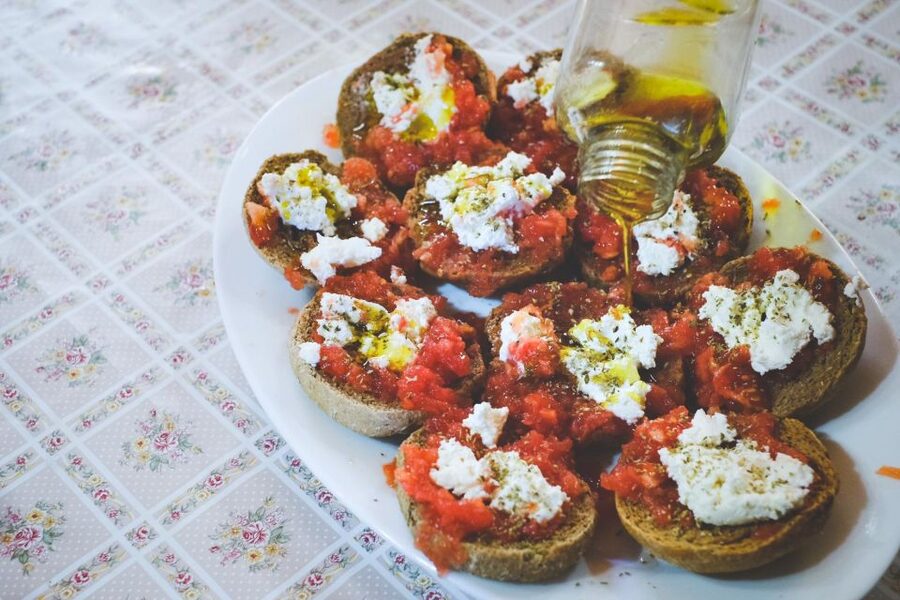
Tzatziki gives you the familiar combination of yogurt, cucumber, garlic, and herbs. Dakos is a Cretan staple built around barley rusks, tomatoes, cheese, and olive oil. These dishes require less pastry work and less oven time than the lamb or stuffed vegetables, so they provide a welcome change of pace.
I like that the class includes recipes at different levels. You get the challenge of rolling grape leaves and pastry, but you also learn simple dishes you can make on a weeknight. That makes the $129 price easier to assess. You are not paying only for a meal. You are getting several techniques, a full menu, the setting, the instruction, and a social evening.
The meal is the point, not an afterthought
At the end, everyone sits down to eat the food prepared during the class. The meal includes generous amounts of local wine and raki, plus dessert. Some meals also include leftovers to take away, though you should not assume this is guaranteed at every session.
The shared table is where the experience changes from cooking lesson to cultural visit. You have time to talk with Veerna and her family, meet people from different countries, and ask about local food traditions. You are not rushed out as soon as the final plate is served. That extra time is important, especially if you are looking for an evening that feels personal rather than commercial.
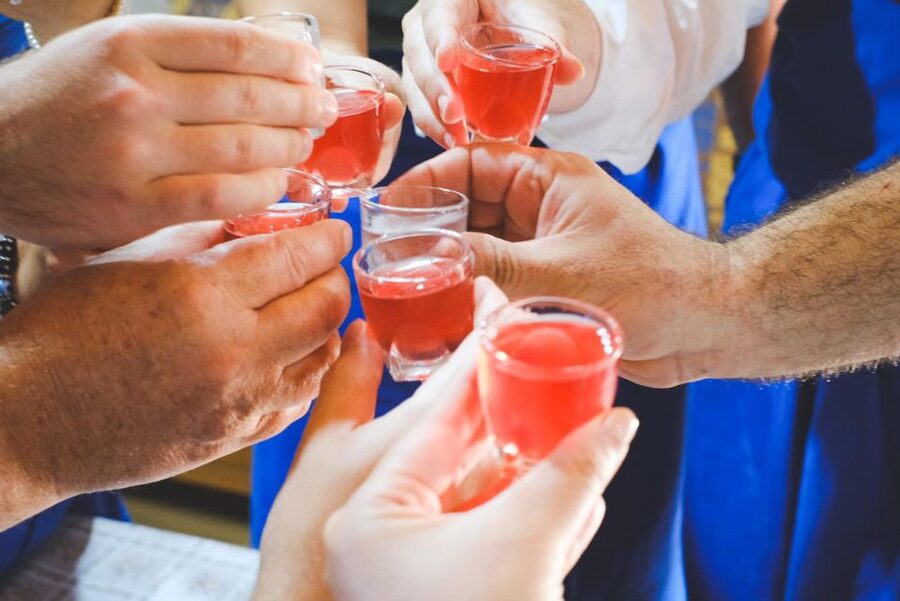
Raki is part of the Cretan welcome, but you should pace yourself. Wine and raki are included in generous quantities, and the cooking class can last close to four and a half hours. If you are driving, skip the alcohol and arrange a taxi or transfer instead.
The dessert is not specified in advance, so you should treat it as a seasonal or host-selected finish rather than a particular promised dish. It is a pleasant detail, but the main value is the savory meal and the time spent at the table.
What $129 includes, and where the value lies
The price is $129 per person. That is more than you would pay for a casual meal in Chania, but this is not simply a restaurant dinner.
Your fee covers the ingredients, instruction, lunch or dinner, local wine, raki, and the full four-hour activity. You also receive access to a family property, the garden, olive grove, oven, and recipes to use at home. For someone who enjoys food and wants a personal connection to Crete, that package offers fair value.
The price is less compelling if you mainly want to eat. In that case, you can find less expensive meals in town without spending four hours outside the center. The class makes most sense when you want to cook, learn, meet people, and have a long shared meal.
The fresh ingredients add to the value. Produce comes from the family garden or local farmers, and you can see the setting where some of it is grown. That does not make every dish automatically better, but it gives you a clearer connection between the food on the plate and the place you are visiting.
Getting there from Chania and the cruise port
Transportation is not included in the standard price. The property is easy to reach by car or taxi, and you can park along the fence. A taxi from the cruise port has been reported at about €20, though your fare will depend on traffic, timing, and the exact pickup point.
A transfer service is available for an extra fee. The transport is semi-private, using a nine-seat van or a five-seat electric vehicle, so you may share the ride with other people attending the class. Give your pickup location in the booking form and ask about the additional cost.
If you are staying in central Chania, I would compare the taxi fare with the transfer price before booking. For a couple or small family, a taxi may be simple. For a cruise passenger or anyone unfamiliar with the roads, arranging transport can remove much of the stress.
The location is wheelchair accessible, according to the activity information. You should still ask about the exact vehicle and route if you need an accessible transfer, since the standard transportation details are not described in full.
Who will enjoy this class most
This is a good choice for you if:
- You want an authentic family setting rather than a restaurant demonstration.
- You enjoy eating slowly and talking with the people who prepare the food.
- You want recipes and techniques to try at home.
- You are traveling with children who can take part in simple preparation.
- You are staying near Chania or can arrange a taxi, rental car, or paid transfer.
- You like local wine and raki as part of the meal.
It may not suit you if you need a short activity close to the old harbor, want a highly formal cooking lesson, or do not drink alcohol and prefer an experience built around nonalcoholic tasting. The food still works without wine and raki, but those drinks are a clear part of the offering.
The class is also a good option for cruise passengers, as long as you allow enough time for transport back to the port. For an evening booking, leave room for a longer finish. The atmosphere is friendly and unhurried, which is a strength, but it means you should not plan a tightly timed event afterward.
Should you book the Chania Authentic Cooking Class?
I would book this class if you want your Cretan food experience to include people, place, and stories, not just recipes. The olive grove, garden ingredients, wood-fired lamb, kalitsounia, and long meal with Veerna and her family give the class a clear sense of home.
The strongest reasons to go are the warm family welcome, the hands-on preparation, the fresh produce, and the chance to sit down with the food you made. Arrange transportation in advance, allow at least four hours, and come ready for a social meal rather than a quick lesson.
At $129, it is best viewed as a half-day cultural experience with dinner included. If that sounds like the kind of memory you want from Chania, book it. If you only want a cooking demonstration or a low-cost meal, spend the money elsewhere.
FAQ
Where is the Chania cooking class located?
The class is in Nerokourou, a beautiful neighborhood about 10 to 15 minutes from central Chania. The exact location is provided through the booking information, and you can park along the fence.
Is transportation included?
No. You can reach the property by car or taxi. Pickup and transfer service is available for an extra fee, using a nine-seat van or a five-seat electric vehicle. The ride may be shared with other people attending the class.
What food will I prepare?
You will help prepare oven-roasted lamb, stuffed vegetables, stuffed grape leaves, kalitsounia filled with cheese and wild greens, tzatziki, and dakos. Dessert is also served at the end.
Are drinks included?
Yes. The experience includes generous amounts of local wine and raki. A homemade refreshment or Greek coffee is served when you arrive.
Is the class suitable for children or people with dietary needs?
The class has welcomed families with children, including children aged 11 and 14. Vegetarian alternatives have been provided, and assistance has been given to a participant with a broken wrist. Tell the hosts about your needs when booking.
What happens if I need to cancel?
You can cancel up to 24 hours in advance for a full refund. The reserve-now, pay-later option lets you book without paying immediately.
More Workshops in Chania
- Chania Sourdough Bread Class – Olive Oil Tasting
★ 5.0 · 31 reviews - Chania Sourdough Bread Class – Olive Oil Tasting
★ 5.0 · 6 reviews - Heraklion: Beginner Scuba Diving Lesson with PADI Instructor
★ 4.9 · 355 reviews - Full-Day Jeep Safari Tour with Cooking Lesson
★ 5.0 · 284 reviews
Newest Chania write-ups
- Private transfer from Heraklion airport to Chania★ 5.0 · 5 reviews
- From chania : Knossos Palace & Archeological Museum Tour★ 4.0 · 4 reviews
- Highlights of Crete -2 Days Tour Knossos Lasithi Rethymno&Chania★ 5.0 · 3 reviews
- CHANIA RETHYMNON KOURNAS, full day professional guided coach tour★ 3.5 · 8 reviews
- Private tasting of 6 cretan wines in Fres village, Chania★ 5.0 · 4 reviews
- Wine Tasting Walking Tour in Old Town Chania★ 5.0 · 20 reviews
- Small-Group Wine Tasting Activity in West Chania★ 5.0 · 4 reviews
- Chania Area: Cooking Class at a Farm in Stylos Village (organic)★ 5.0 · 19 reviews
Cretan Cooking Classes, compared.
Authentic Cooking Class in the White Mountains
Read our review →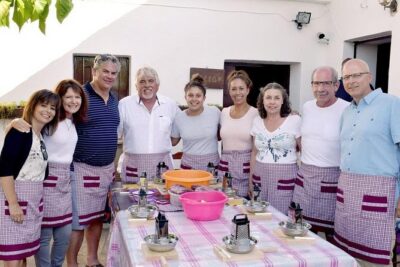
Chania Cooking Class-The Authentic Enjoy traditional Cretan meal
Read our review →
Moires: Cooking Class and Olive Oil Tasting at a Family Farm
Read our review →
Sightseeing Day Trip with Cooking Lesson and Lunch
Read our review →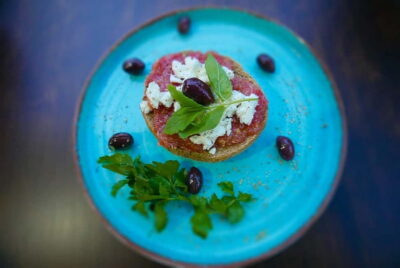
Browse the lists this tour appears in