
Reviewed · HISTORICAL TOURS
Chania Battle of Crete Private Tour: WW2 Military History
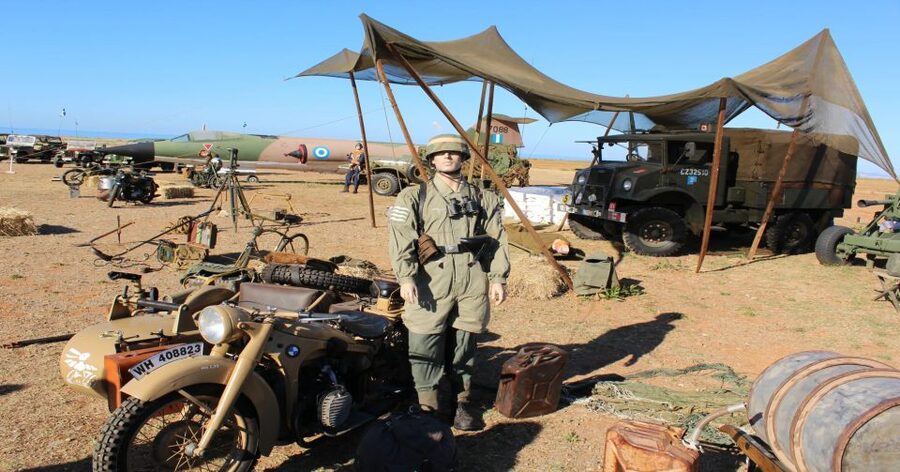
The most unusual part of this Chania tour is its access to abandoned German bunkers and lesser-known battlefield sites that many visitors would pass without noticing. Historian and guide Apostolis uses archive photographs and rare documents to connect today’s quiet villages, roads, and hills with the fierce fighting of May 1941.
I like the visit to both war cemeteries, which gives the day a respectful balance, and I like the private museum and war shelter, where military objects make the campaign easier to understand. The main consideration is the subject itself: this is a serious, detail-heavy history day, not a light sightseeing trip. Some sites are outdoors and the tour runs rain or shine.
Key points at a glance
- Hill 107 and Maleme: Follow the ground that shaped the early German airborne assault on Crete.
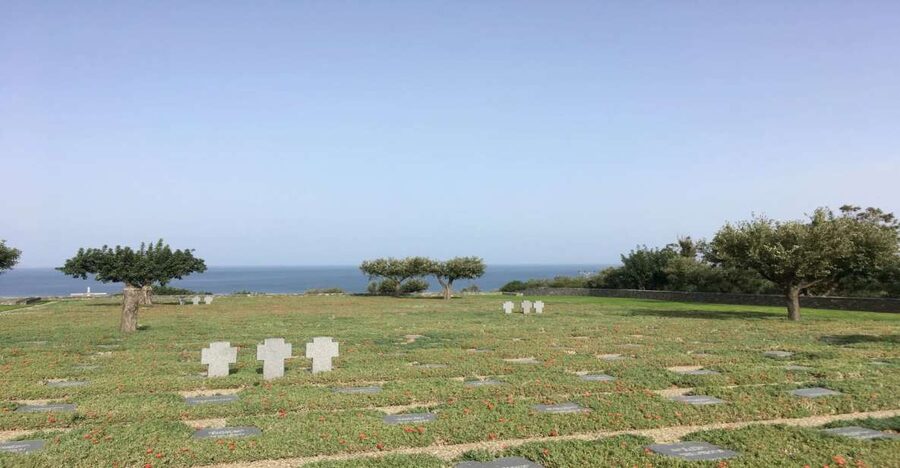
- Two war cemeteries: Pay respect at the German War Cemetery and the Commonwealth Allied Cemetery at Souda Bay.
- Abandoned German defenses: Reach two little-known lockouts and an abandoned bunker at undisclosed locations.
- Apostolis as your guide: Expect a private tour led by a certified historian and licensed guide specializing in the Battle of Crete.
- Rare visual material: Archive photos and documents help you compare the wartime sites with their present appearance.
- Seven hours with pickup: Hotel pickup and drop-off are included from central Chania, with food and drinks extra.
Why this Battle of Crete tour feels different
Many history tours take you to a monument, explain the basic story, and move on. This one tries to make the battle readable on the ground. You visit the airfield at Maleme, walk or stop around Hill 107, examine wartime remains, and then move through the wider Chania area to places linked with the first five days of the campaign.
That approach matters in Crete. The battle was not fought at one tidy memorial site. It spread across airfields, villages, bridges, hills, roads, and coastal positions. A private vehicle lets you cover several of these places in one day, while a historian can explain how they fit together.
The guide, Apostolis, is a major part of the experience. He is described as a certified historian and archaeologist specializing in contemporary history, as well as a licensed guide and driver. His strongest quality is his ability to move between small details and the larger war. You might hear about a bunker’s equipment, then learn how the campaign related to the coming German invasion of the Soviet Union.
That level of detail is useful if you already know the basics. It also works if you are starting from scratch, though you should be ready to listen. The tour is not built around quick photo stops and free time.
More ancient sites near Chania:
- From Chania: Crete World War II History Tour
★ 4.9 · 65 reviews - Food Odyssey, A Historical Culinary Tour of Chania
★ 5.0 · 3 reviews - From Heraklion: Historical Center City Tour & Knossos Palace
★ 4.4 · 340 reviews
Maleme and Hill 107, where the battle turned
The day begins in the Maleme area, including the airport that was vital to the Axis plan. The airfield mattered because control of it allowed German forces to bring in reinforcements and supplies. Seeing the site first gives the rest of the tour a clear starting point.
Hill 107 is another key stop. From here, Apostolis explains the fighting around Maleme and the decisions that affected the battle’s outcome. The value is not just the view. It is the chance to see why this particular high point mattered when the battle was being fought.
The route can also include the Tavronitis Bridge, whose wartime damage remains part of the area’s visible record. Other stops named during the tour include Galatas, Platanias, the prison, Prison Valley, and the site of the Battle of 42nd Street. The exact order can change, as Apostolis has adjusted the route when timing or opening hours required it.
That flexibility is useful. One guest arriving from Rethymno had a late start, so the guide visited the German bunker and WWII museum first, before their limited opening hours became a problem. On a private tour, this kind of adjustment is far more realistic than it would be with a large fixed group.
German War Cemetery and the cost of the campaign
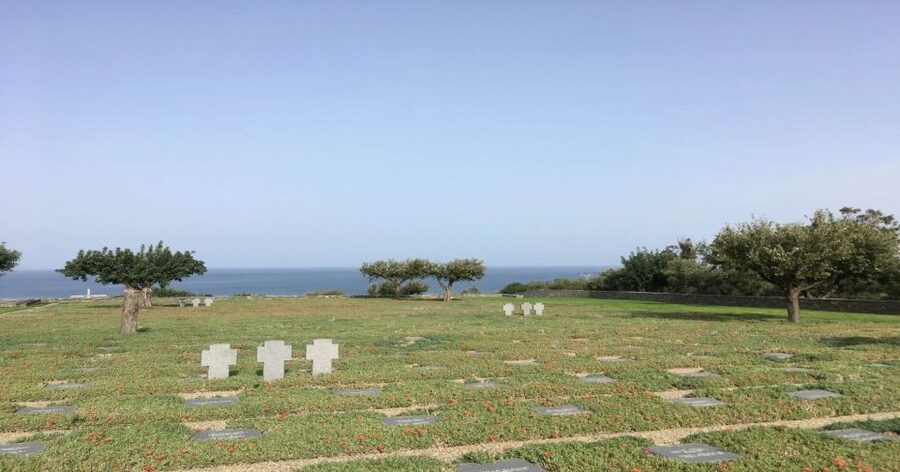
The German War Cemetery near Maleme brings a quieter tone to the day. After hearing about positions, attacks, and military plans, you are confronted with the scale of the dead. This is a place for respect rather than sightseeing.
I appreciate that the tour includes both sides of the wartime story without turning the cemeteries into political theater. The cemetery visit helps you remember that military movements on a map meant real losses for German, British, Commonwealth, Greek, and other forces.
Apostolis also places the battle within the wider course of World War II. That context can help explain why Crete mattered to the Axis and Allied commands, and why the campaign’s timing had significance beyond the island. His use of period photographs is especially helpful at places where the original wartime structures have changed.
The visit does require the right mood. If you want a cheerful day of beaches and villages, this is not the best match. If you want to understand the human cost of the campaign, it is one of the day’s most important stops.
Bunkers, lockouts, and battlefield archaeology
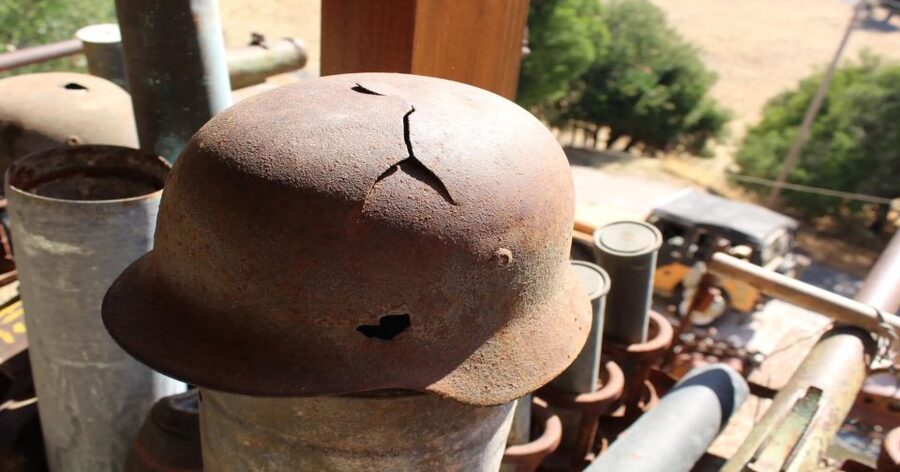
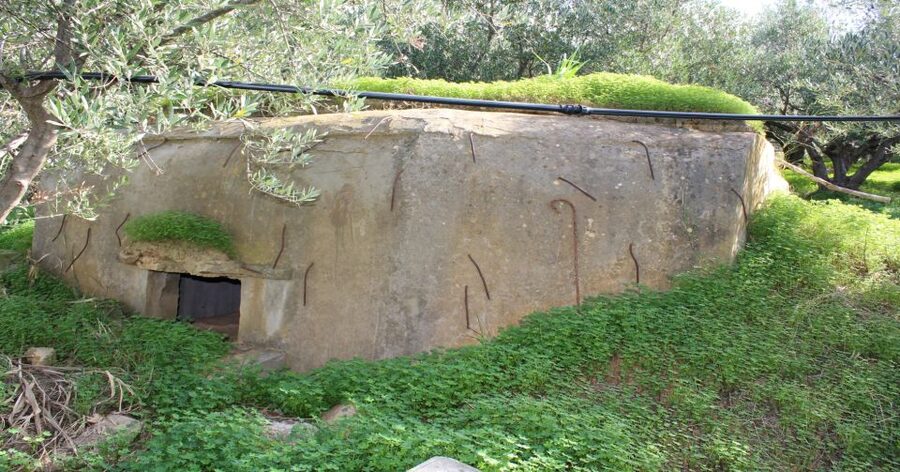
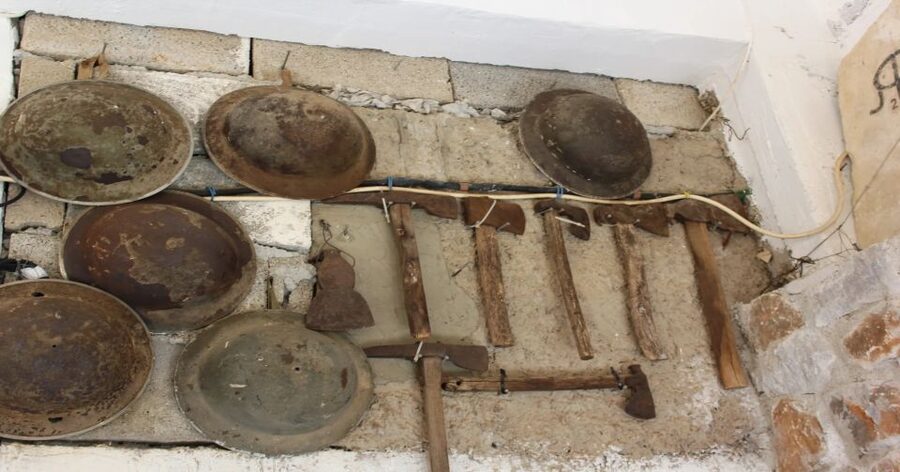
The tour’s most unusual access comes at two abandoned German lockouts and a separate abandoned bunker at an undisclosed location. These are not presented as polished attractions. They are remnants of a military system left in place, with the wear and uncertainty that come from age and abandonment.
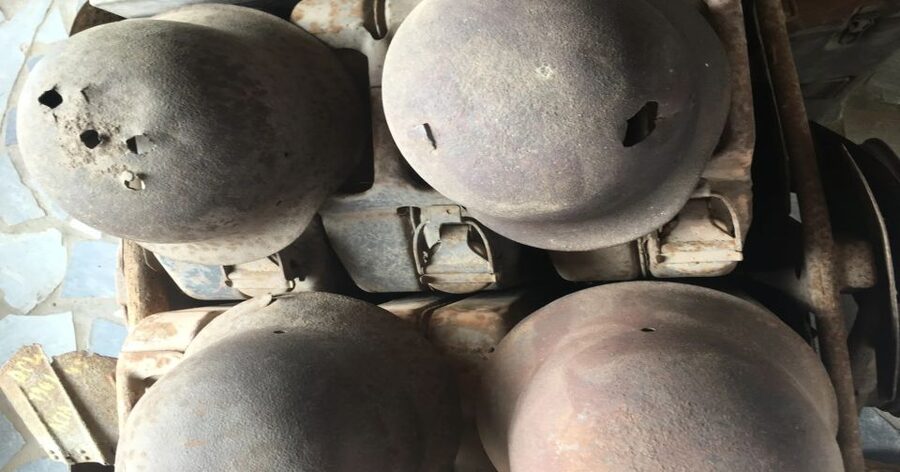
You learn about daily wartime routine, military equipment, ammunition, and the regimes used by Axis and Allied forces. That practical detail helps you picture how soldiers occupied these positions. A bunker is not just a concrete shell when you understand what it was designed to protect, observe, or store.
The sites also give the tour an archaeological edge. The guide points out battlefield remains and helps separate wartime evidence from later changes. For anyone interested in military archaeology, this is likely the strongest part of the day.
Wear sturdy, comfortable shoes and practical clothes. The information provided does not promise easy paths or polished facilities at every stop, so you should be prepared for outdoor visits and uneven ground. The tour takes place rain or shine, and the exposed nature of several sites makes weather worth considering.
The exact locations are not published in advance. That protects the lesser-known sites and helps explain why this experience feels different from a standard sightseeing route. It also means you should not expect to plan every stop from a map before you go.
A few more Chania trips worth weighing up
- From Kissamos Port: Boat Cruise to Balos Lagoon & Gramvousa
★ 4.2 · 6,755 reviews - From Chania: Full-Day Samaria Gorge Trek Excursion & Guide
★ 4.6 · 3,191 reviews - From Chania: Day Trip to Elafonisi Island Pink Sand Beach
★ 4.5 · 2,014 reviews - Crete: Rethimno, Chania, and Kournas Lake Day Trip
★ 4.4 · 1,694 reviews
The private museum and war shelter
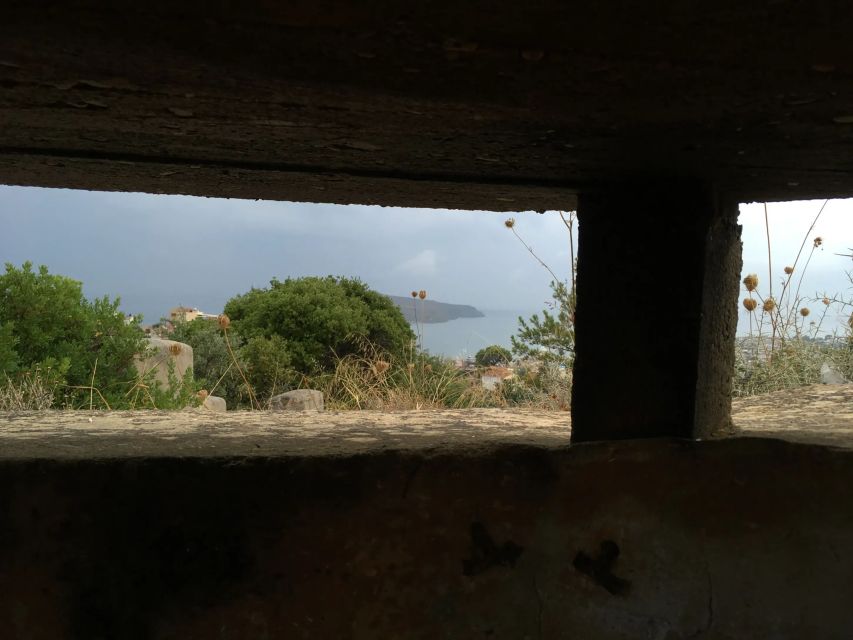
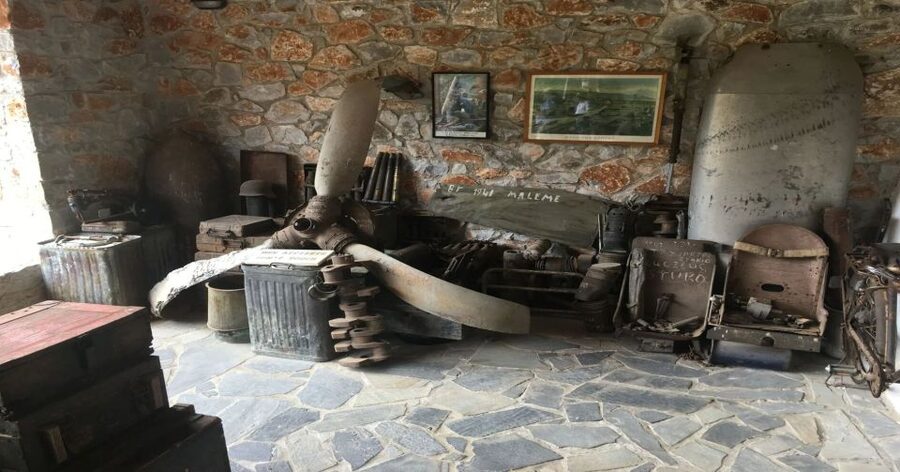
The private WWII museum and war shelter gives the tour a more concentrated look at the conflict. Here, rare war finds and memorabilia provide physical detail that can be hard to get from a battlefield alone.
Apostolis uses archive photographs and documents during the tour, including images found through his own research. Comparing old photographs with current views helps you understand what has changed and what has not. It is a simple tool, but it makes the history easier to follow.
The museum is also useful for visitors who do not already know the Battle of Crete. Equipment, photographs, and objects can introduce the basic story before you return to the outdoor sites. If you already have a strong interest in the campaign, the rare material and local focus should give you more than a general textbook account.
Opening hours can matter. The guide has been able to rearrange the route to reach the museum when needed, but you should still confirm the schedule when booking. A private tour offers flexibility, not a guarantee that every small collection will be open at every moment.
Souda Bay and the Commonwealth cemetery
Later, the route reaches the British Commonwealth Allied Cemetery at Souda Bay. The cemetery overlooks the bay, creating a striking setting, but the focus remains on remembrance and the history of the Commonwealth forces.
The tour gives particular attention to Australia, New Zealand, and Great Britain, whose troops played an important role in the defense of Crete. This stop balances the earlier visit to the German cemetery and gives you a fuller view of the campaign.
The phrase Lest We Forget is especially fitting here. It is not simply a scenic overlook with graves. Apostolis explains the cemetery’s story and the role of the allied forces, helping you connect the names and dates with the wider events you have been following all day.
Souda Bay also gives the route a natural pause after the more intense battlefield visits. You can take photographs, but the cemetery calls for quiet behavior. The combination of bay views and military history is powerful without needing dramatic presentation.
A riverside break in the middle of a serious day
The itinerary includes about an hour for coffee or lunch beside a river with overgrown vegetation. This break is practical as much as scenic. Seven hours of military history is a lot to absorb, and a pause gives you time to ask questions or return to a point that was not clear.
Food and drinks are not included, so budget separately for this stop. The supplied information does not specify a particular restaurant or meal, so you should think of it as a break rather than a promised dining experience.
I like this pause because private tours can sometimes become a nonstop stream of facts. A slower hour lets the day breathe and gives Apostolis room to tailor the discussion to your interests. If you have a special question about a regiment, village, or battlefield, this is a good time to raise it.
One guest with a particular interest in the 1st Welch Regiment received an extra stop at a roadside memorial near Galatas. That example shows the benefit of booking privately. You can ask for emphasis on a subject, unit, or family connection, though any extra stop depends on time and route.
What the seven-hour format is really worth
The price is $182 per person. For a private seven-hour tour with hotel pickup and drop-off, a licensed historian who also drives, museum access, battlefield visits, and two cemetery stops, I see the value mainly in the time and personal attention.
A standard group excursion may cost less, but it is unlikely to offer the same freedom to adjust the order or spend extra time on a particular subject. You are paying for a full day of local transport and interpretation, not just entry to one attraction.
The value is strongest for two or more people who can share the private experience while still receiving direct attention. Solo visitors should think carefully about the per-person cost, although the specialist guiding and access to lesser-known sites may justify it for a serious military history enthusiast.
The tour also works as a cruise shore excursion because it covers Chania and Souda port areas. Cruise passengers should allow enough time for the return to the ship and confirm the pickup arrangement before booking. The advertised duration is seven hours, so this is a substantial shore day rather than a short port visit.
Who should book this tour
I would choose this tour if you have a real interest in World War II, military history, battlefield archaeology, or the modern history of Crete. It is also a good choice if you want more than the old harbor and the usual Chania highlights.
You do not need to be an expert. Apostolis explains the events and uses photographs to make the ground understandable. Still, you should enjoy listening, asking questions, and spending time at memorials. The pace is described as relaxed, but the subject matter is detailed.
Families with older children may find it worthwhile, especially if they are studying World War II. Very young children may find seven hours of cemeteries, bunkers, and military explanation tiring. The tour is private, so you can take breaks, but the material remains serious.
The experience is also a good fit for people staying in central Chania who want hotel pickup and a full day outside the city. Pickup is available from central Chania areas, and the tour is offered in English or Greek.
Practical tips before you go
Wear comfortable shoes and clothes. You will visit outdoor battlefields, abandoned military sites, cemeteries, and bunker locations, so practical clothing is more useful than anything stylish.
Bring water and plan to pay for your own coffee or lunch. Food and drinks are not included. Pick a hotel lobby meeting point and wait there 15 minutes before pickup.
Keep your schedule flexible. The route can be adjusted to fit museum hours or your interests, but the day still needs to cover several sites. If one regiment, battle, or family connection matters to you, tell Apostolis in advance.
The tour runs in all weather. Rain may change how comfortable the outdoor stops feel, while strong sun can make exposed sites tiring. A hat, sun protection, and a light rain layer are sensible additions, though only comfortable shoes and clothes are specifically required.
Free cancellation is available up to 24 hours before the tour, and you can reserve now and pay later. Those policies make it easier to fit the experience into a changing Crete itinerary.
Should you book it?
Book this tour if you want the Battle of Crete explained through actual places, wartime remains, cemeteries, and rare visual material. Apostolis’s specialist background, flexible route, and access to abandoned German defenses give the day a focus that ordinary Chania sightseeing does not.
Skip it if you want a relaxed scenic drive with only a little history, or if cemeteries and military sites are not your idea of a holiday. At $182 per person, it is not a casual add-on, but the price is reasonable for a private seven-hour history tour with transport and specialist guiding.
For serious WWII enthusiasts, this is the kind of day that can turn a familiar holiday island into a place you understand much better.
FAQ
How long does the Battle of Crete tour last?
The tour lasts seven hours, including visits around Maleme, Chania, the Chania Regional Unit, and Souda Bay.
Where does the tour begin?
Pickup is provided in Chania, with free hotel pickup and drop-off from all central Chania areas.
Is this tour available as a cruise shore excursion?
Yes. The tour is also available as a shore excursion and covers Chania and Souda Cruise Port.
Who guides the tour?
The tour is led by a professional historian and licensed historian tour guide specializing in the Battle of Crete. The guide identified in the supplied tour details and booking feedback is Apostolis.
What languages are available?
Live guiding is available in English and Greek.
What military sites are included?
The tour includes Battle of Crete battlefields, Hill 107, abandoned German bunkers and lockouts, the German War Cemetery, the Commonwealth Allied Cemetery, and a private WWII museum or collection.
Are food and drinks included?
No. Food and drinks are not included. The itinerary provides about an hour for a coffee or lunch break.
What should I bring?
Bring comfortable shoes and comfortable clothes. The tour takes place rain or shine, so practical clothing for outdoor conditions is sensible.
Newest Chania write-ups
- Private transfer from Heraklion airport to Chania★ 5.0 · 5 reviews
- From chania : Knossos Palace & Archeological Museum Tour★ 4.0 · 4 reviews
- Highlights of Crete -2 Days Tour Knossos Lasithi Rethymno&Chania★ 5.0 · 3 reviews
- CHANIA RETHYMNON KOURNAS, full day professional guided coach tour★ 3.5 · 8 reviews
- Private tasting of 6 cretan wines in Fres village, Chania★ 5.0 · 4 reviews
- Wine Tasting Walking Tour in Old Town Chania★ 5.0 · 20 reviews
- Small-Group Wine Tasting Activity in West Chania★ 5.0 · 4 reviews
- Chania Area: Cooking Class at a Farm in Stylos Village (organic)★ 5.0 · 19 reviews
Historical Tours, compared.
Richtis Waterfall, History, Azoria, OliveTasting, NorthCoast
Read our review →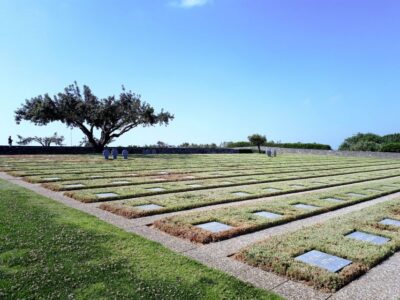
Heraklion Highlights: Knossos, Museum & Historic City Drive
Read our review →
Food Odyssey, A Historical Culinary Tour of Chania
Read our review →Browse the lists this tour appears in