
Reviewed · ARKADI MONASTERY TOURS
Chania Monasteries Private Tour: A Greek Orthodoxy Tribute
Chania’s Christian story is easiest to understand away from the city center, where ruined churches, hermit caves, olive mills, and working monasteries sit in quiet mountain country. This private tour brings you to places most visitors would not find alone, with historian Apostolis explaining how Orthodox worship shaped village life in Crete.
I like the rare underground church dedicated to St. Spyridon and the way the tour links religion with everyday work, especially olive-oil production. I also like the flexible format: Apostolis can spend more time on monasteries, churches, or coastal views depending on your interests.
The main drawback is the long seven-and-a-half-hour day, with several remote stops and mountain roads. You should also dress properly for religious sites, wear sturdy shoes, and remember that entrance fees and drinks at stops are not included.
Key points to know before you book
- A Byzantine archaeology specialist leads the day: Apostolis guides in English, Greek, or German and holds a degree in History and Byzantine Archaeology.
- The tour reaches unusual religious sites: Expect an abandoned Byzantine church complex, a St. Spyridon underground church, old monasteries, and a whitewashed chapel.
- Akrotiri provides the strongest scenery: Remote monasteries and mountain passages end with broad views toward the Aegean Sea.
- Religion is tied to daily Cretan life: You learn about liturgy, monastic work, farming, donations, and the old olive-oil trade.
- Private touring makes the pace adjustable: You can ask questions, linger at a church, or request a suitable detour.
- The $176 price buys a full private day: Transport, guide, snacks, hotel pickup, and flexibility are included, but entrance fees and stop drinks are extra.
Why this Chania tour is different from a standard monastery visit
Many sightseeing outings show you one famous monastery, allow a short look inside, and move on. This experience takes a wider view. You follow the Christian tradition from early church remains to active monastic life, then finish at an abandoned complex and a hilltop chapel.
That broader approach matters. You are not just looking at painted walls or stone arches. You learn how worship worked, how monasteries supported poor farming communities, and why olive mills could be important church assets.
Apostolis is the central part of the experience. His training in Byzantine Archaeology gives the day a clear focus, but the private format keeps it from feeling like a lecture. You can ask about Orthodox rituals, ancient deities, farming customs, or the details of a particular building as they come up.
The tone also sounds personal rather than formal. You spend the day with one guide, not a large group, and the format leaves room for conversation. That works especially well if you want history explained in plain language instead of receiving a stream of dates and names.
More monastery visits near Chania:
- Shore Explore Chania: City Charm, Beach, Monastery & Winetasting
★ 5.0 · 13 reviews - Rethymno: Arkadi Monastery, Margarites Village & Melidoni Cave.
★ 4.5 · 12 reviews - Chania Old Town, Public Market and Chrisopigi Monastery Tour
★ 4.5 · 6 reviews
The first church ruins and the foundations of Orthodox worship
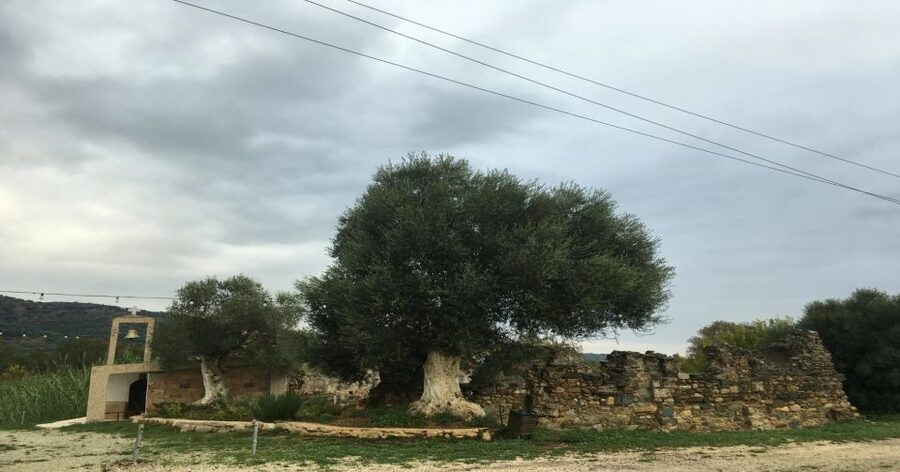
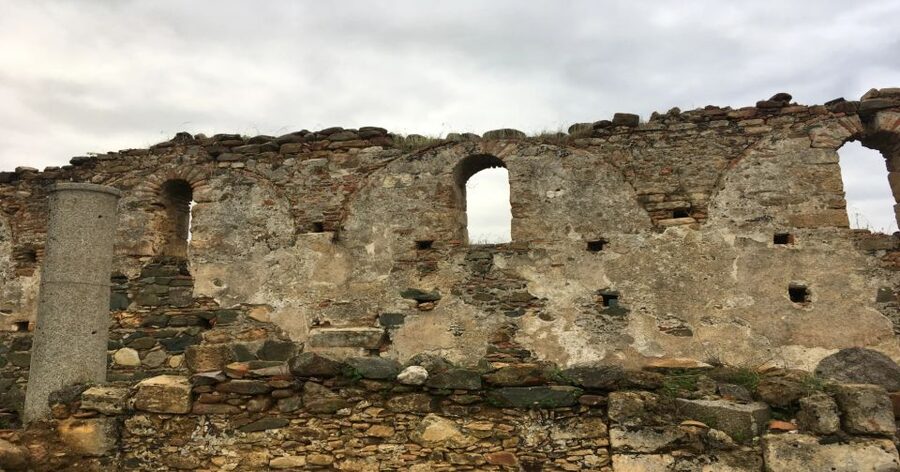
After pickup in Chania, allow about 30 minutes for the first drive. The opening stop is an unknown church complex dating from the Proto-Byzantine era, now reduced to ancient remains.
This is a strong beginning because the site gives you physical evidence before the tour moves to active churches. Apostolis explains early Orthodox doctrines and how the divine liturgy was carried out. You can look at the ruins while considering how church design supported worship, rather than treating the remains as random old stones.
The stop lasts about 50 minutes and includes time for photographs, a visit, and guided interpretation. Wear comfortable shoes because the experience involves wandering around old remains rather than simply stepping off a vehicle at a polished attraction.
The setting also helps connect Christianity with older Cretan traditions. As you travel east, the discussion turns to the 12 Gods of Mount Olympus and their links with prosperity, farming, and the hopes of rural communities. That comparison gives you a useful sense of how religious ideas changed while older concerns about harvests and household survival remained.
A monastery from around 1600 and the old olive mill
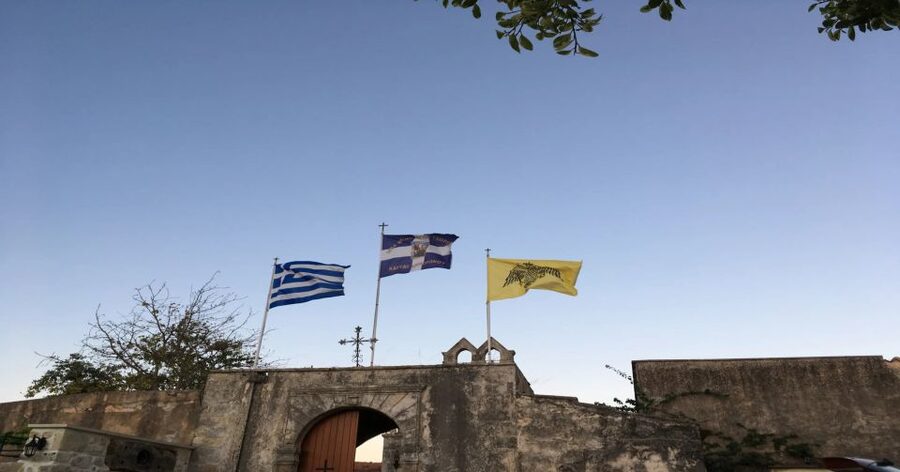
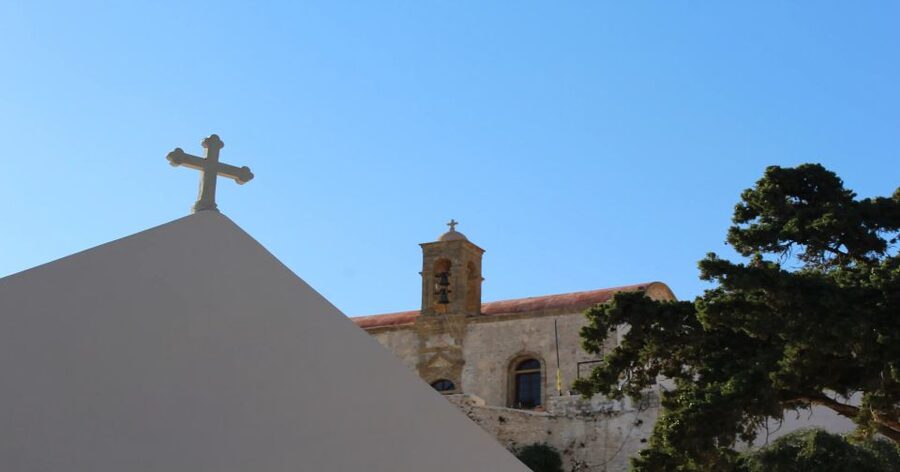
The next major visit is a monastery dating from about 1600. Here, Apostolis focuses on Byzantine archaeology, the connection between Crete and the Byzantine Empire, and the role of the altar in Orthodox worship.
You learn about rituals and celebrations held inside Cretan monasteries. This is the point where the tour becomes especially useful for anyone who has entered an Orthodox church but wondered what the furnishings and ceremonies mean.
A nearby abandoned olive mill adds a practical layer. You see how demanding olive-oil production once was and how a church could build large assets through centuries of donations from pilgrims. The subject is not just religious finance. Those resources helped support monasteries and poor people in the Cretan countryside.
I like this pairing of monastery and mill because it avoids presenting faith as something separate from ordinary life. Land, crops, labor, donations, and worship all meet in the same place.
The tour also includes a conversation with the monastery superior. The exact timing can vary, but the chance to speak with someone connected to the religious community gives the visit a human side. You should approach this part with respect and patience, since a working monastery is not simply a museum.
The village coffee break and the value of a private pace
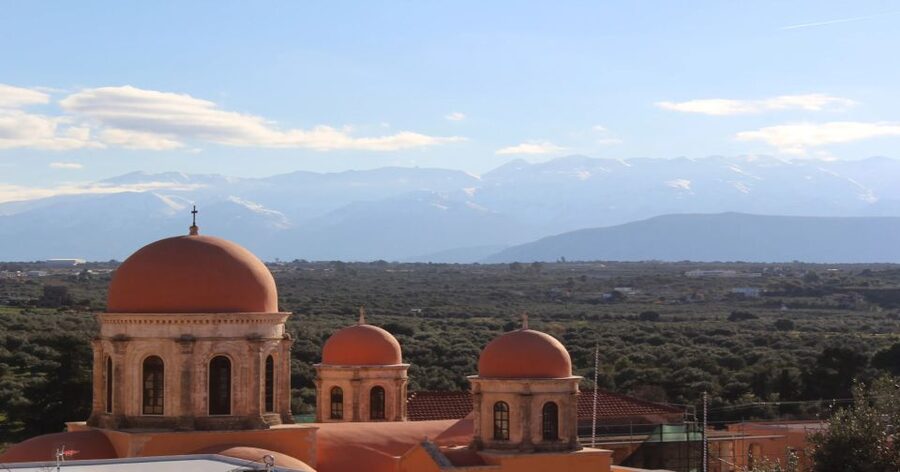
A one-hour break in a traditional Cretan village gives you time to rest and ask questions. A coffee stop may sound minor, but it matters on a day with several religious sites and mountain drives.
This is also where the private format pays off. Apostolis can clear up questions from the morning, explain a custom in more detail, or adjust the conversation toward your interests. If you are especially drawn to monasteries by the water, you can say so. One couple with that interest found that the route and detours could be adapted to suit their taste.
Food planning is worth noting. The package includes a box lunch, water, a banana, an apple, and chocolate. Lunch and drinks at the private tour stops are not included, so do not assume every café order or meal is covered by the tour price.
A few more Chania trips worth weighing up
- From Kissamos Port: Boat Cruise to Balos Lagoon & Gramvousa
★ 4.2 · 6,755 reviews - From Chania: Full-Day Samaria Gorge Trek Excursion & Guide
★ 4.6 · 3,191 reviews - From Chania: Day Trip to Elafonisi Island Pink Sand Beach
★ 4.5 · 2,014 reviews - Crete: Rethimno, Chania, and Kournas Lake Day Trip
★ 4.4 · 1,694 reviews
Akrotiri, hermits, and the underground church of St. Spyridon
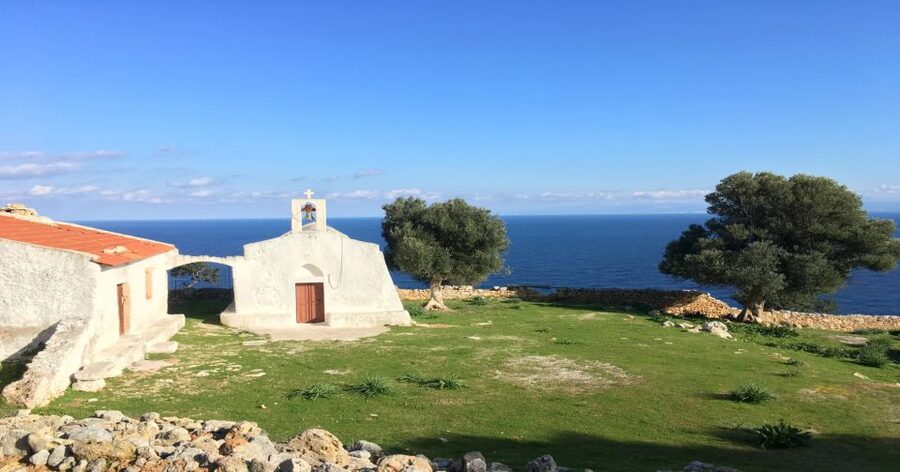
The route then heads toward Akrotiri, a mountainous area northeast of Chania known for monasteries and a long monastic tradition. Ascetics and hermits once lived in caves and isolated places here, and the area still has a more remote feel than central Chania.
One of the most unusual stops is an old underground church devoted to St. Spyridon. Few visitors get to see an Orthodox church in this form, and it gives the day a stronger sense of discovery without requiring you to chase an unknown site on your own.
The church is part of a wider story about retreat and solitude. Some religious figures chose caves or isolated chapels, while larger monasteries provided organized communities, worship spaces, farmland, and storage. The contrast helps you understand why Akrotiri became important to Christian life in the region.
The route includes small mountain passages. That makes the scenery appealing, but it also means the day is not built around quick, effortless access. Comfortable clothing and shoes are sensible, and anyone with mobility concerns should discuss the route before booking, even though the activity is listed as wheelchair accessible.
Two active monasteries and the work behind monastic life
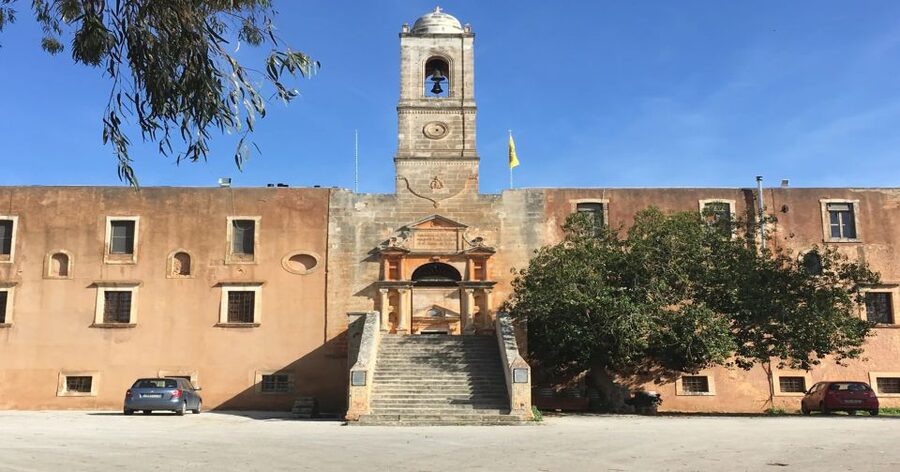
Later, you visit two active monasteries described as remote, carefully maintained, and exceptionally scenic. The journey passes through narrow mountain routes and cultivated land belonging to the monasteries.
These visits are valuable because they show religious life as ongoing work. You may see monks carrying out daily duties, and Apostolis explains the demands of living in a monastic community. The setting is quiet, but the life is not idle. Buildings, fields, worship, repairs, and hospitality all require effort.
You also see Christian Orthodox relics and objects of value. The tour does not treat them as mere displays. Their meaning comes from the rituals, memories, and communities connected with them.
Please remember that monasteries are active religious places. Modest clothing is required, and you should be ready to follow local instructions about entering churches or chapels. Bring a light layer that covers shoulders and knees, even if the weather in Chania is warm.
The exact amount of time at each site can change because this is a private trip. That is a benefit if one monastery speaks to you more than another. It can also make the day feel less predictable than a fixed coach excursion, so book this if you prefer flexibility over a tightly timed schedule.
The abandoned complex and the final chapel above the sea
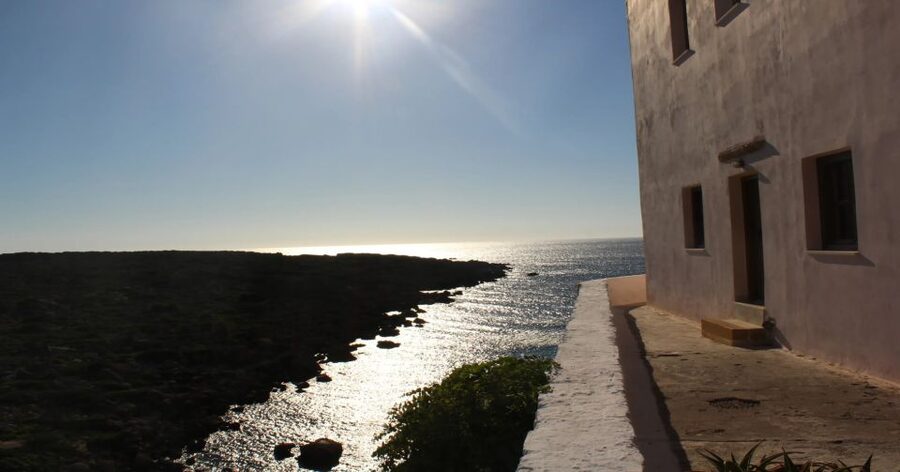
The final section visits an abandoned monastery complex in an undisclosed location. Its remote setting and condition shift the mood again. Earlier stops show working religious communities, while this place asks you to consider what remains after a monastic center has fallen silent.
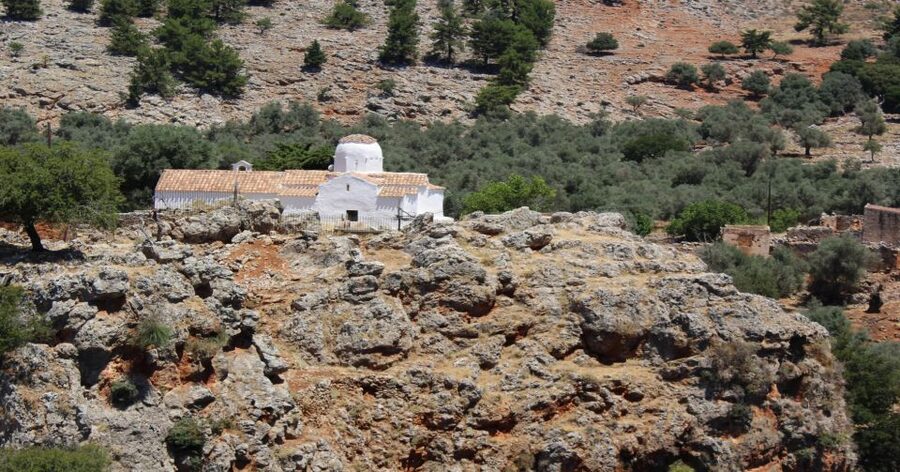
The day ends at a whitewashed chapel dedicated to the Virgin Mary. Here, you can pay your respects, take photographs, and enjoy some of the broadest views of the tour, looking toward the Aegean Sea.
This is a fine closing stop because it leaves you with both architecture and scenery. The chapel is simple, but its position gives the visit emotional weight. After a full day of churches, ruins, stories, and monastic work, the quiet view offers time to pause rather than rush straight back to town.
The exact location is intentionally not publicized. That protects the character of the site and explains why a local guide is useful. You should not expect a signposted attraction with a shop or a large visitor center. The appeal is the quiet setting and the sense that the route reaches places outside the normal Chania circuit.
What $176 per person covers
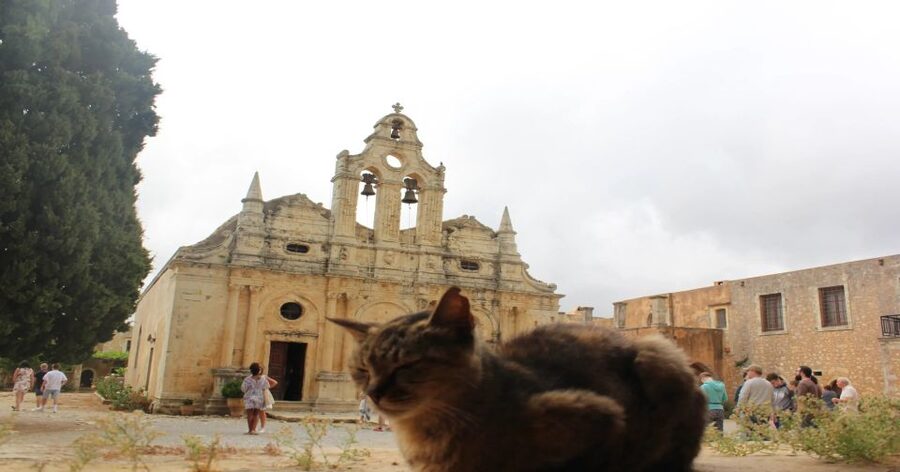
At $176 per person, this is not a budget sightseeing ride. It is a full private day with a specialist guide, modern air-conditioned transport, hotel pickup and drop-off from central Chania, snacks, water, flexible stops, and surprise gifts at the end.
The value depends on how much you want interpretation. If you only want to see monastery buildings, you can find cheaper ways to visit a single site. If you want the history of worship, the role of olive mills, the relationship between monasteries and farming communities, and access to lesser-known locations, the price is easier to justify.
The private vehicle also saves you from arranging several separate drives around Chania Regional Unit and Akrotiri. You do not need to work out how to reach an abandoned church, a remote monastery, and an underground chapel in one day.
Extra costs remain. Entrance fees are not included, and drinks or meals purchased at private stops are separate. The included box lunch and snacks reduce the need for a major food stop, but you should carry some spending money.
The activity can also operate as a shore excursion from Chania or Souda Cruise Port. Pickup is included from central Chania areas, and you should wait in your hotel lobby 10 minutes before the scheduled time.
Who will enjoy this day most
I would choose this tour if you have a real interest in Orthodox Christianity, Byzantine buildings, rural history, or unusual religious sites. It also suits repeat visitors to Crete who have already seen Chania’s main sights and want a day beyond the usual route.
The private setting works well for couples, families, or small groups with different interests. You can ask for more detail, request a slower pace, or focus on coastal views and monasteries rather than treating every stop as equally important.
It may be less suitable if you want a relaxed café day or a short excursion. Seven and a half hours is a serious commitment, and the mix of ruins, uneven ground, mountain roads, and religious sites demands some energy.
The tour is available in English and Greek, with German also noted for the trilingual guide service. Proper clothing is required in the monasteries, and athletic clothing with comfortable shoes is advised.
Should you book the Chania Monasteries Private Tour?
Book it if you want to understand how Christianity shaped Crete beyond the famous churches in town. The strongest reasons are the underground St. Spyridon church, the old olive mill, the active monasteries, and the final chapel with Aegean views.
You should also book it if you value a guide who can adjust the day to your questions. Apostolis is praised for patience, humor, local insight, and a willingness to make suitable detours. That personal approach is a major part of what you are paying for.
Skip it if you prefer a short, self-guided visit to one well-known monastery, or if remote roads and a long day sound tiring. For the right visitor, though, this is an unusual and thoughtful way to see Chania’s religious world, with enough flexibility to feel personal rather than packaged.
FAQ
How long does the Chania Monasteries Private Tour last?
The tour lasts 7.5 hours, including transport from Chania, visits to religious sites, guided talks, photo stops, and a village break.
Where does pickup take place?
Pickup and drop-off are included from all central Chania areas. You should wait in your hotel lobby 10 minutes before the scheduled pickup time.
Is this a private tour?
Yes. The activity is arranged for a private group, with private transport in a modern air-conditioned vehicle.
Who leads the tour?
The guide is Apostolis, a professional historian with a degree in History and Byzantine Archaeology. The guide service is available in English, Greek, and German.
What religious sites are included?
The route includes an abandoned Byzantine church complex, a monastery dating from around 1600, an old underground church dedicated to St. Spyridon, active monasteries in the Akrotiri area, an abandoned monastery complex, and a whitewashed chapel dedicated to the Virgin Mary.
Is food included?
A box lunch, water, a banana, an apple, and chocolate are included. Lunch and drinks purchased at private tour stops are not included.
What should I wear?
Wear weather-appropriate clothing, athletic clothing, and comfortable shoes. Proper clothing is required when entering the monasteries.
Are entrance fees included?
No. Entrance fees are not included in the tour price.
Newest Chania write-ups
- Private transfer from Heraklion airport to Chania★ 5.0 · 5 reviews
- From chania : Knossos Palace & Archeological Museum Tour★ 4.0 · 4 reviews
- Highlights of Crete -2 Days Tour Knossos Lasithi Rethymno&Chania★ 5.0 · 3 reviews
- CHANIA RETHYMNON KOURNAS, full day professional guided coach tour★ 3.5 · 8 reviews
- Private tasting of 6 cretan wines in Fres village, Chania★ 5.0 · 4 reviews
- Wine Tasting Walking Tour in Old Town Chania★ 5.0 · 20 reviews
- Small-Group Wine Tasting Activity in West Chania★ 5.0 · 4 reviews
- Chania Area: Cooking Class at a Farm in Stylos Village (organic)★ 5.0 · 19 reviews
Arkadi Monastery Tours, compared.
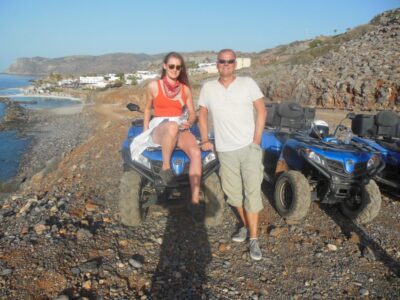
Quad Safari with Monastery, Malia Palace and Lunch
Read our review →
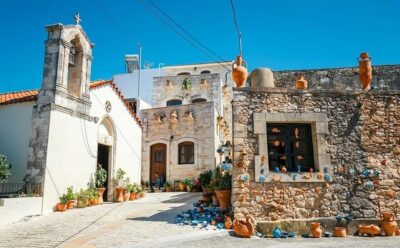
Melidoni Cave and Arkadi Monastery Half-Day Trip
Read our review →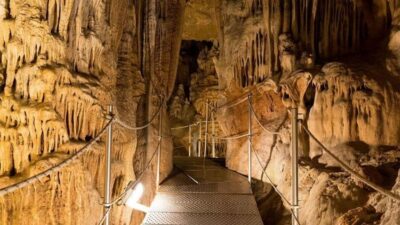
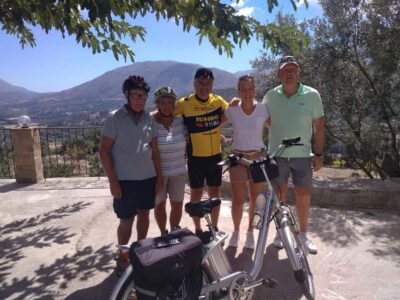
e-Bike Cycling Tour to Arkadi Monastery with Lunch included
Read our review →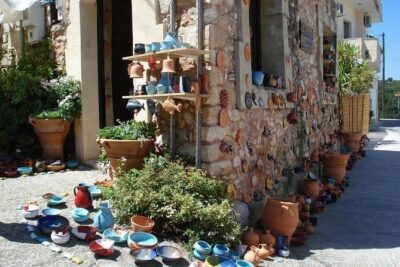
Pottery Village of Margarites – The monastery of Arkadi & The Gorge of Patsos
Read our review →
Shore Explore Chania: City Charm, Beach, Monastery & Winetasting
Read our review →
Browse the lists this tour appears in