
Reviewed · CRETE OLIVE OIL TOURS
Crete: Full-Day Cretan Wines, Olive Oil, Raki and Food Tour
Crete’s food culture makes the most sense when you see where it begins: among olive trees, vineyard rows, family workshops and village kitchens. This eight-hour outing links those pieces into one busy day, with tastings, short drives, a traditional lunch and a chance to make pottery in Thrapsano.
I like the small group of up to eight, which keeps the day personal and makes it easier to talk with producers. I also like the mix of olive oil, wine, raki, food and pottery. You get more than a tasting session. The day shows how these products fit into Cretan life.
The main drawback is the pace. You cover several stops in eight hours, and one person described the day as a little long. Come ready for generous portions and plenty of alcohol, and do not expect a quiet, slow wine seminar.
Key points at a glance
- Five wines at a family-run organic winery: Tour the vineyards and winery before tasting a broad selection.
- Fresh olive oil at its source: Visit an olive grove and mill, then taste the oil with local foods.
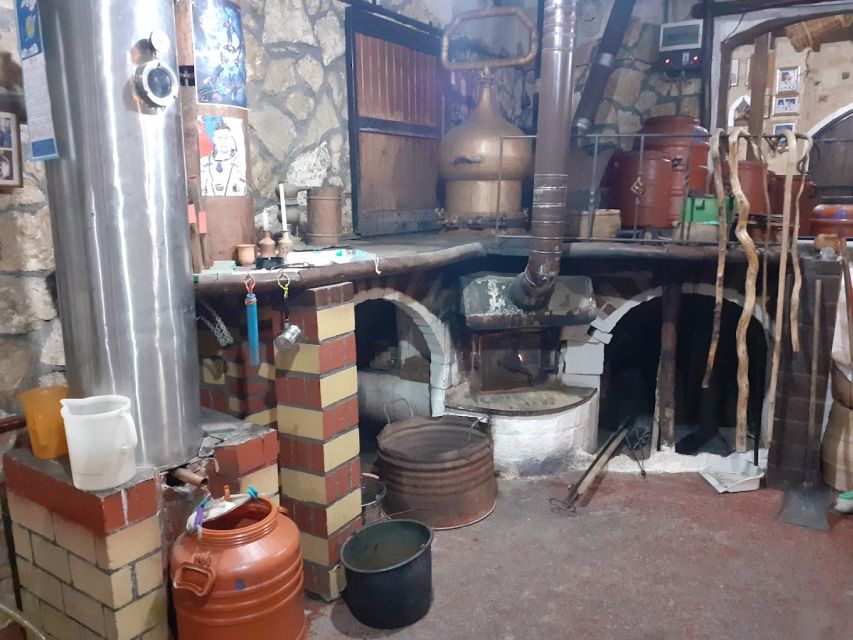
- Raki in an old distillery: Learn about Crete’s best-known spirit and sample it in a traditional rakokazano.
- A proper village lunch: Sit down at a local taverna for a filling meal rather than a quick snack.
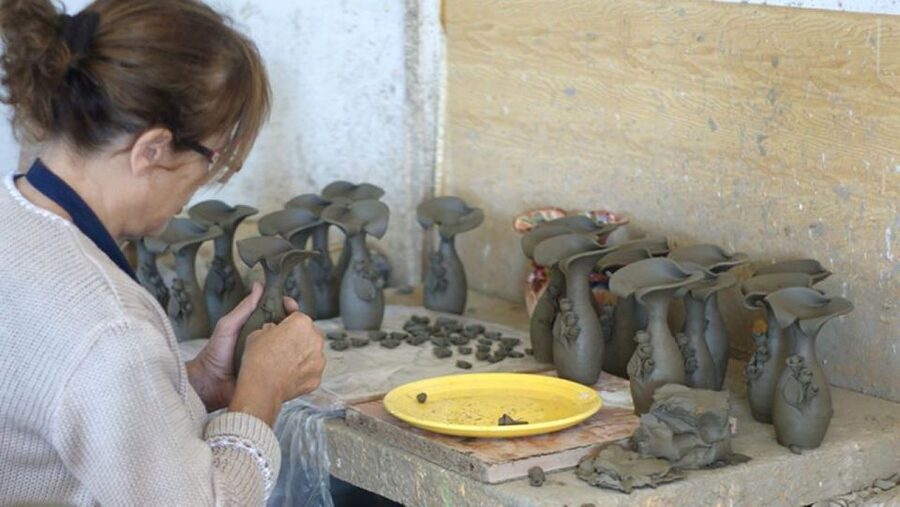
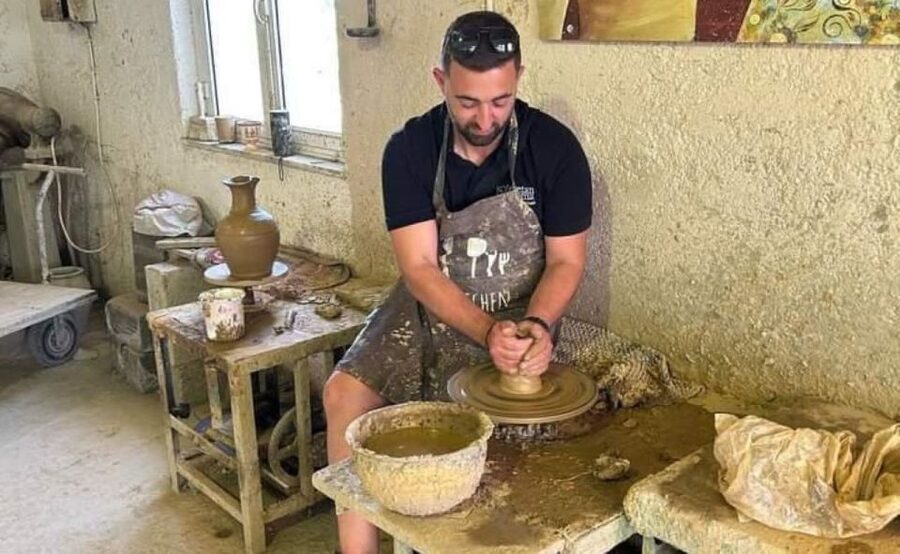
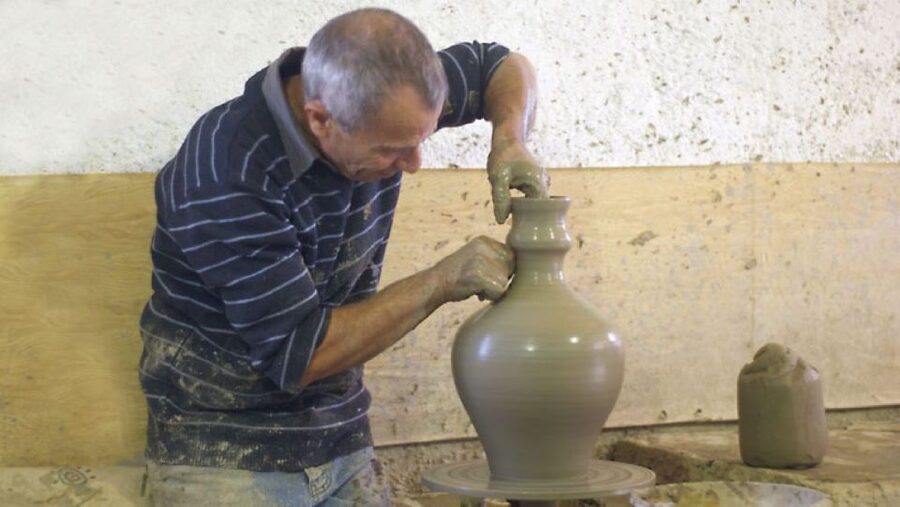
- Hands-on pottery in Thrapsano: Watch a professional potter and try the wheel yourself.
- A genuinely small group: Transport, guiding and pickup are arranged for a maximum of eight participants.
Why this tour gives you more than a tasting
Many food tours stop at a shop, pour a sample and move on. This one connects the product with the place that makes it. You see olive trees before tasting oil, walk through vineyards before drinking wine, and visit a distillery before trying raki.
That link matters in Crete. Olive growing, grape cultivation and spirit making are not separate tourist displays here. They are part of the island’s agricultural life and have roots reaching back to the Minoan era. The tour uses those traditions as a way to introduce you to rural Crete.
The family-run setting is another strong point. The stops are not described as large commercial attractions, and the day is built around personal introductions to local producers. Guides such as George and Antonis add the background and keep the visits moving, while the producers explain their own work.
You should also expect a social day. Lunch is shared, the group is small, and several tastings come with bread, cheese, tomatoes, fruit or other local snacks. That makes it easy to talk with people from different countries, but it also means the day has a lively, communal feel rather than a private, formal one.
More olive oil mills and tastings around Crete:
- Crete: Quad Safari, Olive Mill with Tasting & Ghost Village
★ 4.9 · 1,004 reviews - Knossos-Zeus Cave -Old Traditional Villages-Olive Oil Factory
★ 5.0 · 694 reviews - From Chania: Olive Oil, Wine, Cheese & Honey Tasting Tour
★ 4.6 · 490 reviews
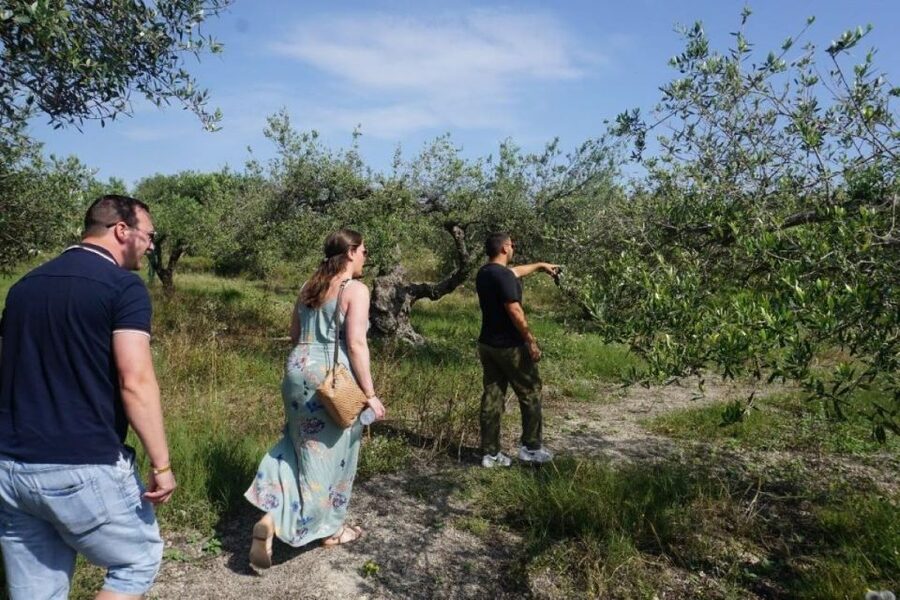
Starting with olive trees and oil in Skalani
After pickup in Crete, you spend about 30 minutes in the van before reaching the Skalani area. The first major stop centers on an olive grove and olive mill.
This is a smart way to begin. Olive oil can seem like a simple table ingredient until you see the trees, the mill and the work behind the bottle. You get a guided look at the grove and production process, followed by a tasting of fresh oil.
The tasting is paired with local snacks rather than served in isolation. Expect foods such as bread, cheese, fruit and other simple accompaniments, based on the experience described by the operator and past participants. The point is to notice how the oil works with food, not just to swallow a spoonful and move on.
I especially like this stop for anyone who cooks at home. You learn what makes Cretan olive oil important to the island’s economy and daily meals, and you may find oil from a small producer you want to buy later. Personal expenses are not included, so bring money if you plan to purchase products.
The first stop is listed as about an hour, including a brunch-style spread and guided visit. Because food and raki may appear early in the day, pace yourself. The later wine and spirit tastings are not small in spirit, even if the pours themselves are not specified.
Five wines among Cretan vineyard rows
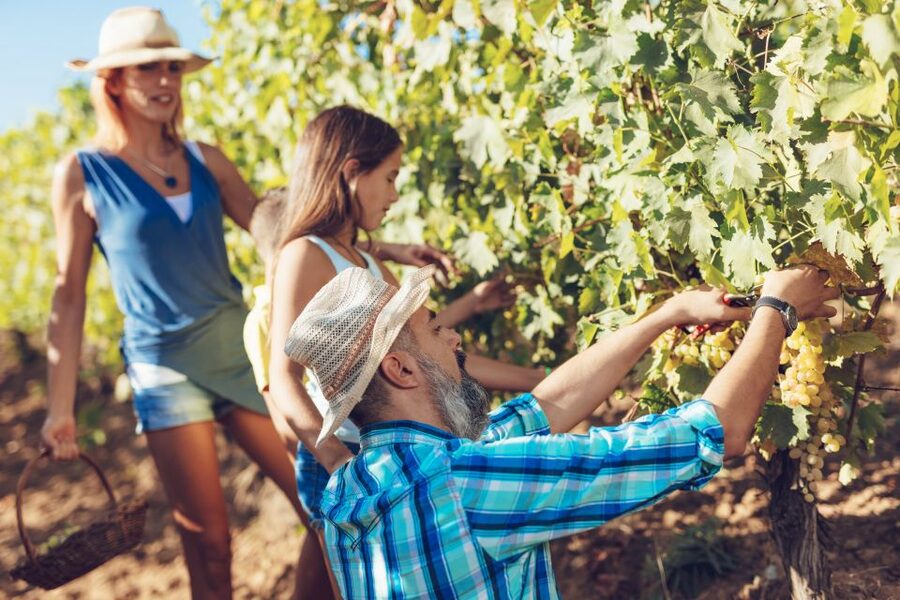
A short 10-minute drive takes you to a family-owned winery that uses organic cultivation methods. Here, the visit lasts about an hour and a half, with time for the vineyards, winery and tasting.
The vineyard walk gives the wine a sense of place. You are not simply handed five glasses and told which one you prefer. You first see the growing area, then learn about the winery’s approach before tasting five wines.
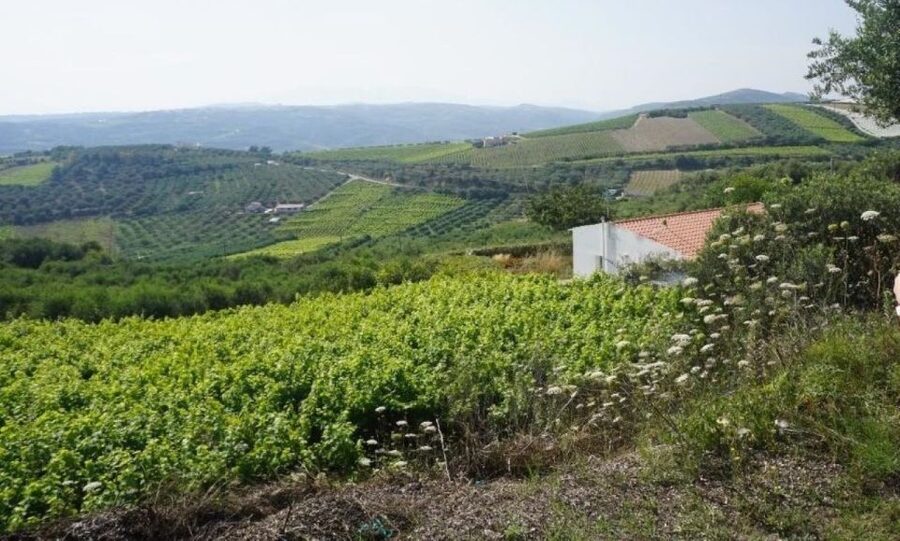
The setting also brings some of the day’s best views. The route through the countryside includes scenic points, and the winery is one of the stops where the rural setting is part of the experience. If you care about wine, the organic methods and family ownership add useful context without turning the tour into a technical class.
One useful limitation to know: the supplied details do not promise a food pairing at the winery. You will have snacks at other stops, but you should not book this expecting a formal cheese-and-wine pairing menu. The wine tasting is the focus here.
The winery is especially suited to people who want to sample several Cretan wines without arranging a rental car or deciding who will drive. You can compare the wines, ask questions through the guide and continue the day without worrying about the road.
Raki, an ancient press and a generous welcome
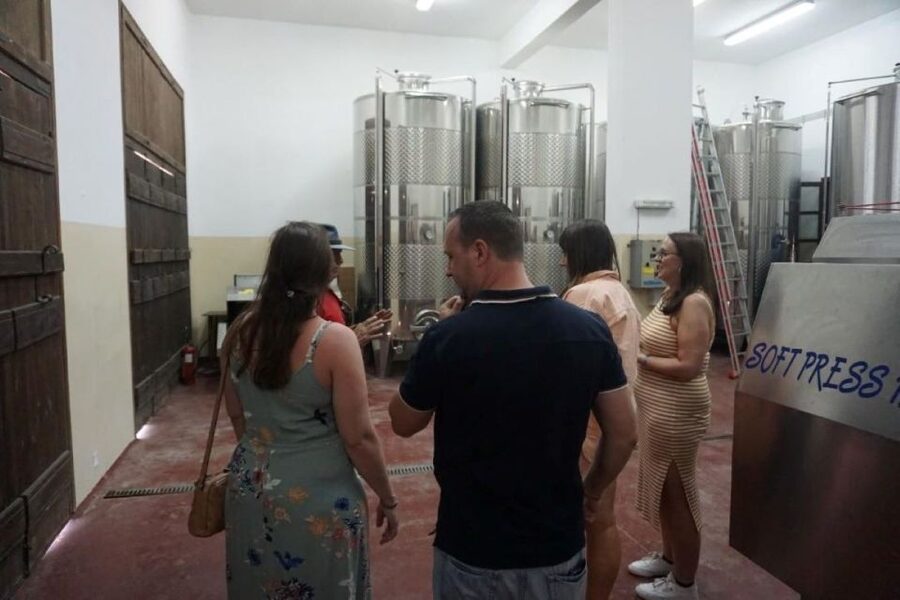
The next drive is only about 10 minutes, but the mood changes. You visit a distillery with an ancient wine press and learn how raki is made.
Raki is Crete’s signature spirit, traditionally connected with the use of grape leftovers after wine production. The distillery stop helps explain why this drink has such a strong place in local hospitality. You tour the site, hear about agricultural traditions and then taste raki in the rakokazano.
The samples may include flavored versions. Lemon raki and a variety described as tasting like Christmas were singled out as memorable options, so this is not limited to one plain spirit. You also taste wine and receive local snacks at the distillery.
This was the favorite stop for several people, and I can see why. It has a stronger sense of discovery than a standard tasting room. The old equipment, the story of the product and the informal welcome make it feel like an introduction to a living custom.
Still, take the warning seriously: be ready for raki. Wine appears earlier, raki appears again at lunch, and the food is plentiful. You can enjoy the tradition without treating every pour as a challenge. If you do not drink alcohol, the tour may be less suitable, since wine and raki are central rather than incidental.
More Crete wineries worth an afternoon:
- Crete: Land Rover Safari with Sunset Viewing, Dinner, & Wine
★ 4.9 · 395 reviews - From Chania: Wine and Olive Oil Tasting Tour with Snacks
★ 4.8 · 354 reviews - Crete Wine and Olive Oil Tour
★ 5.0 · 272 reviews - Wine & Olive Oil Tour with Lunch at Milia Mountain Retreat
★ 5.0 · 194 reviews
A village taverna lunch worth planning around

After roughly 15 minutes on the road, the group stops at a traditional village for lunch. You have about an hour at a local taverna, with more local food and snacks.
This is not presented as a quick boxed meal. The meal is described as traditional, generous and filling, with several people specifically praising it as one of the best meals of their time in Greece. The exact menu can vary, so do not arrive expecting a fixed list of dishes.
The meal is also part of the social design. You sit with the group, share food and have time to talk. That shared table is one of the better ways to experience Cretan hospitality, especially if you are traveling alone or as a couple and want more contact with local culture.
Dietary needs should be discussed with the operator at least 48 hours ahead. Vegetarian requests, food allergies and other meal requirements can be raised before the tour, but you should not wait until pickup to mention them.
The combination of food and alcohol makes this a welcome midpoint. You have already tasted oil, wine and raki, but the lunch gives you a proper base before the final stop. It also makes the $141 price easier to assess: you are paying for a full day of transport, visits, tastings and lunch, not just for admission to one winery.
Making clay in Thrapsano
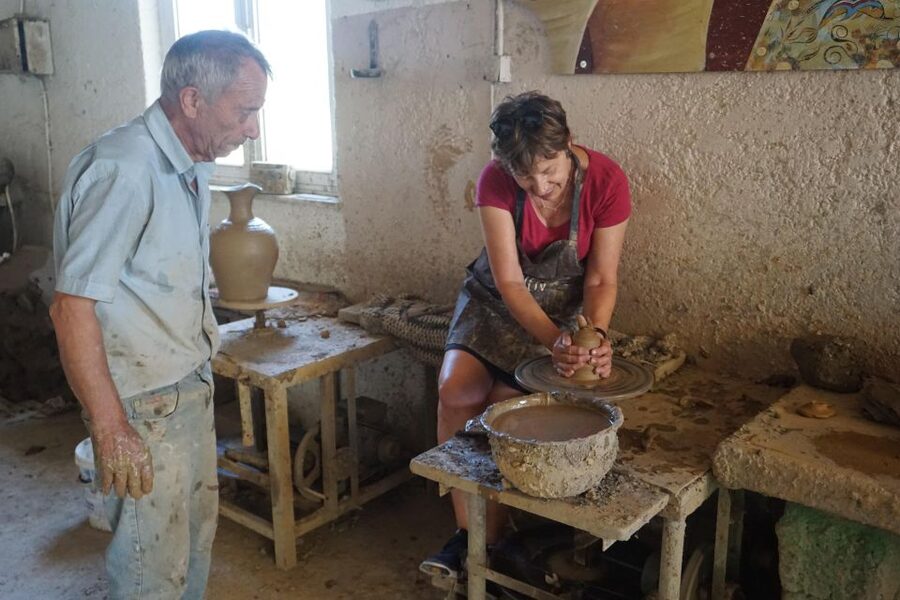
The last main stop is Thrapsano, a traditional village known for pottery. After another 15-minute drive, you visit a pottery studio for about an hour.
You first see the potter’s work and learn about the craft. Then, when available, you can try throwing clay on the wheel with help from the studio. The hands-on part is not a major pottery course, but it adds a useful change of rhythm after a full day of eating and drinking.
This is one of the tour’s best choices for families, creative people and anyone who prefers doing something to simply watching. The attempt may be harder than it looks, which is part of the fun. Some participants have also found the pottery affordable enough to buy, with shipping available according to the experience details.
The pottery studio is optional, and the lab is not available on Sundays. That point matters. If pottery is the main reason you want to book, check the operating day before paying. The rest of the itinerary remains built around food, wine, olive oil and raki.
Guides, van time and group size
Guides include George and Antonis, with George receiving especially strong praise for his humor, driving and knowledge of local life. Anthony is also named in the tour experiences, and the guiding team may vary by departure.
The guide is important here because the day involves several family businesses. You need someone who can explain the process, introduce you properly and keep the timing under control. The most useful guiding is not a long lecture. It is the small context that connects the olive mill, winery, distillery, taverna and pottery workshop.
Transportation is by van, with hotel or accommodation pickup and return included. The individual drives are short: about 30 minutes to the first stop, then 10 minutes to the winery, 10 minutes to the distillery, 15 minutes to lunch and 15 minutes to pottery. The full day still takes eight hours, but the road time is broken into manageable sections.
A group limit of eight is a real advantage. You spend less time waiting for people to reboard, and the producer visits can feel more like personal introductions. The tradeoff is that the day depends on the group’s energy. If everyone wants to linger over every tasting, the schedule can feel full.
Is $141 good value?
At $141 per person, this is not a cheap tasting outing, but it covers a substantial amount. You receive transport, accommodation pickup and return, a live guide, the olive grove and mill visit, winery tour, five wine tastings, raki distillery visit, wine and raki samples, lunch and the pottery studio visit.
You also avoid several costs that add up on an independent day. A rental car, fuel, designated driver, separate tastings and a restaurant meal could bring the total close to the tour price, while giving you less access to small producers.
The value depends on what you want. If you only want to taste wine, a winery visit would cost less and give you more time with the wine. If you want a slow, specialist olive-oil lesson, this day may move too quickly. But if you want a broad introduction to Cretan food culture in one outing, the price is reasonable.
Cash is worth carrying for personal purchases. Some producers accept cards, but card processing may not always work, and the tour price does not cover products you decide to take home.
Who should book this day
I would choose this tour if you want to meet local producers, eat a substantial village meal and see several sides of Crete without planning separate excursions. It suits couples, solo visitors, small groups and food-focused families who are comfortable with a full schedule.
You should also enjoy informal hospitality. The day is not polished into a formal tasting program. It is friendly, generous and sometimes noisy, with food appearing often and raki treated as part of the welcome.
I would hesitate if you dislike alcohol, have limited stamina for a full eight-hour outing or want a slow day with long stretches of free time. You should also confirm dietary needs ahead of time and check Sunday availability if the pottery studio is important.
Free cancellation is available up to 24 hours before the tour, and you can reserve now and pay later. Starting times vary, so check availability for your date.
Should you book it?
Yes, if you want an active introduction to Crete built around small producers rather than a single attraction. The strongest parts are the family-run stops, the shared village lunch, the small group and the chance to try pottery after a day of tastings.
Book it with a light breakfast, comfortable clothes, cash for purchases and a sensible attitude toward alcohol. You will cover a lot, but the reward is a clear sense of how olive oil, wine, raki, food and craft fit together in Cretan life.
FAQ
How long does the Crete food and drink tour last?
The tour lasts eight hours, including transportation between the stops and pickup and return to your accommodation.
What is included in the price?
The price includes transport, accommodation pickup and return, a tour guide, the olive grove and olive mill visit, winery tour and tasting, raki distillery tour, wine and raki tastings, and lunch. The pottery studio visit is also included as an optional activity.
How many people are in the group?
The group is limited to eight participants.
Which languages are available?
Live guiding is available in English and Greek.
How many wines will I taste?
The winery visit includes a tasting of five wines.
Is the pottery studio open every day?
The pottery lab is not available on Sundays. Check the date before booking if you want to try the pottery wheel.
Can I request a special meal?
Yes. Contact the local operator at least 48 hours in advance with dietary requests such as allergies or vegetarian needs.
More Wine Tastings in Crete
- Wine & Olive Oil Tour with Lunch – Semi Private Safari Tour
★ 5.0 · 156 reviews - Cretan Wines & Olive oil tour – The treasures of Crete
★ 5.0 · 147 reviews - Heraklion: Dia Island Catamaran Cruise with Dinner and Wine
★ 4.8 · 147 reviews - PRIVATE Walking Tour with Lunch and Wine Tasting by a Sommelier
★ 5.0 · 113 reviews
More Food Tasting Tours in Crete
- Chania: Old Town Highlights Guided Tour with Street Food
★ 4.9 · 407 reviews - Walking “Food tasting tour” in the town of Chania
★ 5.0 · 297 reviews - The Delicious Chania Street Food Tour
★ 5.0 · 138 reviews - Heraklion: Food Tastings Walking Tour
★ 5.0 · 136 reviews
Newest Crete write-ups
- Heraklion – Walking city tour with food tasting★ 4.5 · 25 reviews
- Private Full-Day Elafonisi★ 5.0 · 4 reviews
- Mirabello Luxuries with Spinalonga & Agios Nikolaos from Iraklion★ 4.5 · 7 reviews
- Cretan Flavors – Cooking Lessons and Wine Olive Oil Tasting★ 5.0 · 9 reviews
- Private Trekking Rouvas Gorge★ 4.5 · 4 reviews
- Ecobike All inclusive – 2 Day tour – Discover the real Crete★ 5.0 · 4 reviews
- Truffle Hunting, Culinary & Wine Celebration from Heraklion★ 5.0 · 6 reviews
- Secrets of West Crete & Rethymno Town Private Tour from Heraklion★ 5.0 · 9 reviews
Crete Olive Oil Tours, compared.

Zeus Cave -Old Traditional Villages-Olive Oil Factory
Read our review →

Zeus Cave, Lassithi Plateau, Olive Oil Factory, Kritza, Pottery
Read our review →

Knossos, Lasithi, Lasinthos and Olive Farm Combo Tour
Read our review →
Browse the lists this tour appears in