
Reviewed · CRETE SCUBA DIVING
Experience Scuba Diving in Heraklion Crete
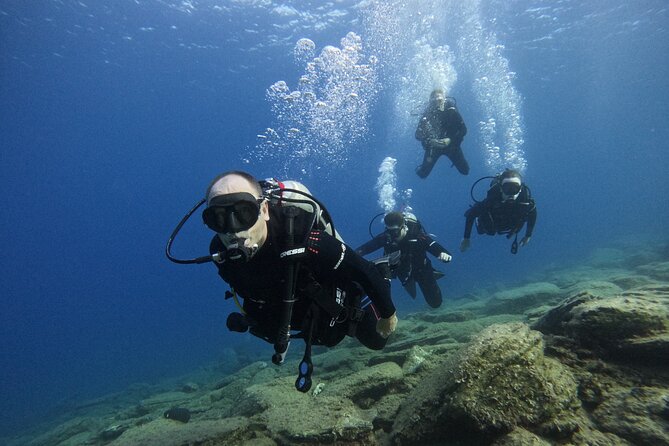
The best part of this beginner scuba experience near Heraklion is the careful start. You do not simply receive equipment and walk into deep water. The instructors explain the gear, breathing, hand signals, and ear equalization, then practice with you in shallow water before going farther out. Yiannis, Chris, Sarah, and the rest of the Horizon Diving team are known for keeping nervous beginners calm.
I like the small maximum group of eight, which gives instructors room to watch each person. I also like the hotel pickup, since it removes the need to find the base in Gournes or arrange a taxi. The main consideration is medical: you must complete a health questionnaire, and breathing problems or certain conditions may prevent you from taking part.
Key points to know before booking
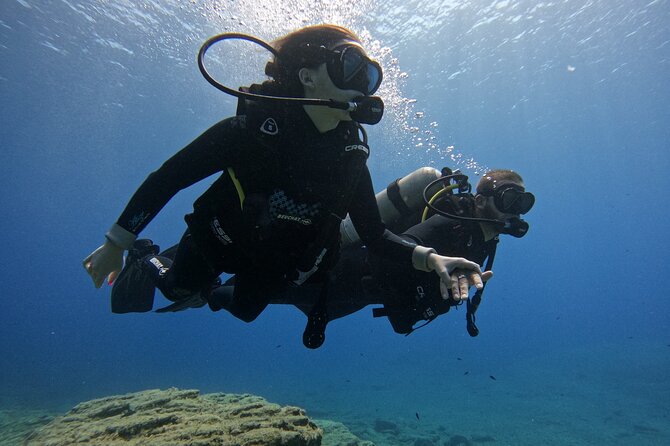
- A gentle first underwater session: Shallow-water practice comes before the main outing, and the depth is adjusted to your confidence and training level.
- Mononaftis Beach is the main setting: The shore entry and sheltered water make it a practical place for first-timers to learn.
- Patient instruction matters here: Yiannis and other instructors take time with breathing, equalization, equipment, and underwater signals.
- Expect local sea life: Fish schools, sea urchins, and an octopus have all been seen, with barracudas also possible.
- Pickup and a compact group add value: Hotel collection is offered, and the group limit is eight people.
- Plan on about four and a half hours: The advertised duration is roughly five hours, with a 9:00 am start and return to the meeting point.
Why this Crete scuba session works for beginners
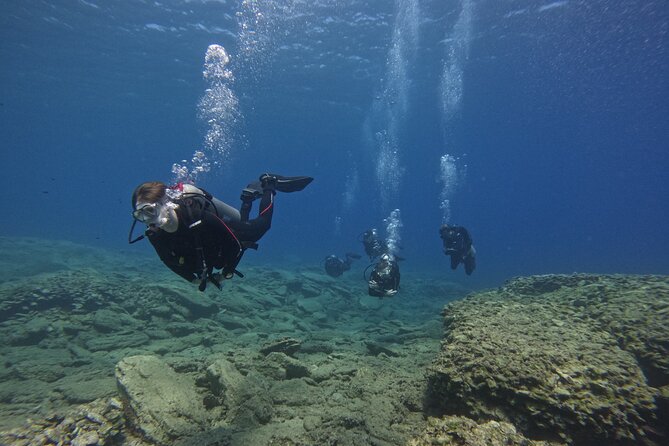
This is not a certification course. It is an introductory recreational outing for people who want to find out if breathing underwater suits them.
That distinction matters. You do not need prior scuba training, and you do not need to know how to swim, according to the activity details. Still, you will need to be comfortable following instructions and wearing the equipment in the sea. The instructors adapt the depth to your confidence and the applicable safety standards, so one person may spend more time in shallow water while another feels ready to go farther.
The experience begins with a short theory lesson. You learn what the mask, regulator, buoyancy vest, tank, and other equipment do. You also practice equalizing the pressure in your ears, a basic skill that helps prevent discomfort as you descend. Hand signals are covered because talking normally is not possible underwater.
The instruction is offered in English, French, and German for the theory portion. The booking information lists the activity as offered in English, so confirm your preferred language if that matters to your group.
You also complete a participant statement, liability release, and medical questionnaire. This is not just paperwork to rush through. Recreational scuba puts demands on your breathing and ears, and the questionnaire is intended to identify when a doctor’s clearance may be needed. One particularly useful warning is that breathing difficulties or certain medical conditions can make the activity unsafe.
More Scuba Diving in Heraklion
- Heraklion: Scuba Diving Experience for Beginners _Beach
★ 4.7 · 549 reviews - Heraklion: Beginner Scuba Diving Lesson with PADI Instructor
★ 4.9 · 355 reviews - Heraklion: Scuba Diving Experience for First-Timers
★ 4.8 · 203 reviews
The 9:00 am pickup from Heraklion-area hotels
The day starts at 9:00 am. Pickup is offered outside your hotel or property, where you should look for a car or minibus with a Horizon Diving sign.
You are ultimately heading to Horizon Diving at Dominikou Theotokopoulou 15 in Gournes, with the activity ending back at the meeting point. The precise pickup time may depend on your accommodation, so be ready outside and allow a little flexibility.
I like this arrangement for a morning activity because you do not have to work out the route to the base, carry bulky gear through public transport, or worry about parking near the beach. The base is also near public transportation if you choose to make your own way there.
The group limit is eight people. That number is small enough to help an instructor notice a nervous participant, a loose strap, or trouble with ear pressure. It also means the outing is not built around a large class moving at one pace.
The equipment lesson before entering the water
At the beach or base, the instructor goes over the equipment again. This second explanation is useful because the gear can seem abstract during the first theory talk. Once the mask, regulator, tank, and buoyancy vest are in front of you, the instructions make more sense.
Expect to learn how to breathe through the regulator, how to clear or manage the mask, and how to equalize your ears. You will also learn a few basic skills that you practice in shallow water with an instructor close by.
The equipment is supplied, and the company describes it as high quality. Your instructor helps you put it on and checks that it fits. This is one place where a calm instructor makes a real difference. A first-time participant may feel awkward with the tank and vest, particularly while walking toward the sea. Having someone nearby to adjust the kit and give simple instructions keeps the focus on safety rather than appearance.
Several accounts describe the lesson as short but precise. One group received about half an hour of instruction before entering the water. Another used the journey to watch a 30-minute instructional film on a tablet in their own language. The exact format may vary, but you should expect a proper briefing rather than a quick speech on the sand.
Mononaftis Beach and the first shallow-water practice
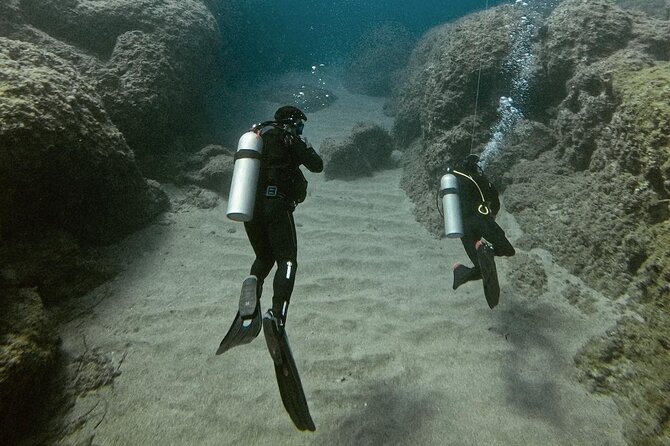
The main location is Mononaftis Beach, a scenic coastal spot used for the first underwater session. Entry is from the beach, which is less intimidating than stepping from a boat into open water.
The instructors begin in the shallows. You practice breathing and get used to the feeling of the mask and regulator. This stage is valuable because many first-timers need a few minutes to trust the equipment. If you feel uneasy, you can signal the instructor and slow down.
One account describes a sheltered lagoon with a gradual bottom and a maximum depth of about seven metres during the introductory portion. Another person reached about 10 metres during the session. Treat those figures as examples, not promises. Your depth depends on conditions, your comfort, your instructor, and the safety standards for a beginner outing.
The company’s approach is gradual. One instructor may stay with a participant who is having trouble equalizing while another guides the rest of the small group. That arrangement is especially useful for mixed-confidence groups. You are not expected to hide discomfort or keep up with someone more relaxed.
More dive trips off Crete:
- Chania: Scuba Diving for Beginners
★ 4.7 · 148 reviews - Chania: Scuba Diving for Beginners
★ 5.0 · 103 reviews - Crete-Chania: Snorkeling & Scuba Dive for Beginners by Boat
★ 5.0 · 77 reviews - Heraklion: Try Scuba Diving For Beginners (1 dive)
★ 5.0 · 30 reviews
What you may see below the surface
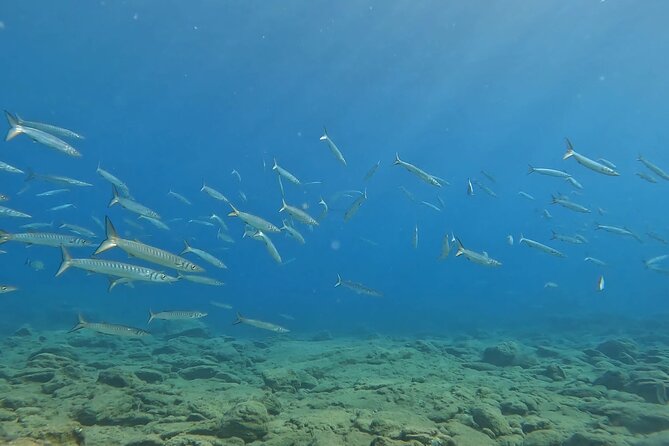
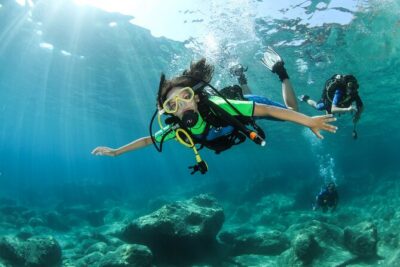
Crete’s clear water is the main attraction here. The underwater scenery is not presented as a theatrical show, and the sea life is naturally variable, but the sightings can be rewarding.
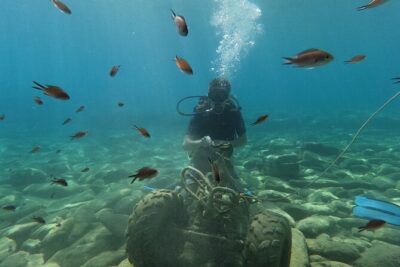
Expect the possibility of schools of small fish, black sea urchins, and an octopus. Barracudas have also been seen. The sea urchins are a good reminder to avoid touching the bottom or grabbing rocks, even when the animals look fascinating.
You should not book this expecting large sharks or dramatic open-sea encounters. The instructors reassure nervous participants that sharks have not been seen in the local area used for this activity. That may disappoint anyone hoping for a big-animal encounter, but it will comfort people whose first concern is safety.
The pleasure is in ordinary Mediterranean sea life and the quiet feeling of moving through clear water. You may notice fish schools gathering near the rocks, sea urchins tucked into the bottom, or an octopus hiding in a crevice. The underwater world changes with conditions, so the exact sightings cannot be guaranteed.
How the instructors handle nerves and ear pressure
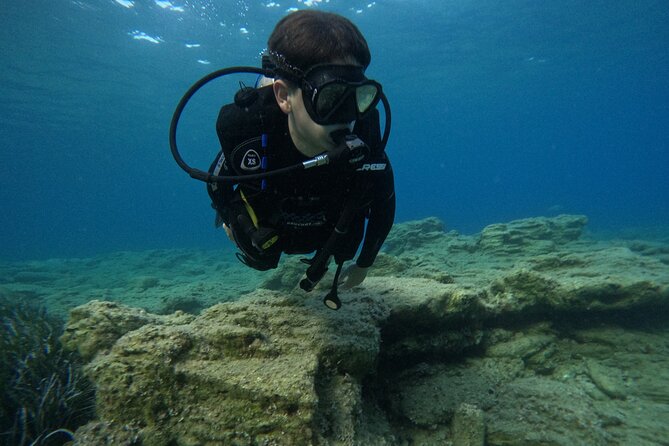
This is the strongest reason to choose Horizon Diving for a first session. The instruction is not only about technical steps. It is also about pacing.
Yiannis is repeatedly singled out for checking that people feel ready before going farther. Chris and Sarah are also described as patient and helpful with first-timers. The team explains the equipment before entry, watches breathing and comfort underwater, and gives practical corrections when someone needs help.
Equalization is the most common early challenge. If your ears do not clear, you should stop, signal, and ascend slightly rather than force it. The instructors can help you try again or decide that you should stay shallower. One group included a person who had trouble equalizing, and the instructor stayed with that person while the rest of the group continued with the other instructor.
That kind of flexibility is important. A beginner outing should not be a test of toughness. If you need more time, the safest response is to say so. The depth is meant to match your confidence, not someone else’s idea of what you should manage.
The underwater portion and the return to shore
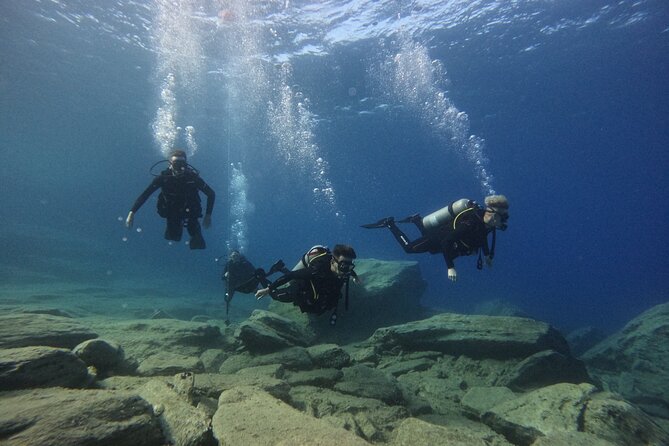
Once you are comfortable in shallow water, the group moves farther from shore and, when appropriate, descends gradually. The actual underwater portion can last around 45 minutes, depending on air consumption and the plan for the group. One account noted that the tank was empty after about that length of time.
The instructor remains close and directs the group with hand signals. You may spend part of the session practicing skills and part simply looking at the sea life. For a first outing, that balance is sensible. You learn enough to feel capable without turning the experience into a formal training exam.
The shore entry is another advantage for beginners. You do not have to climb a boat ladder in full equipment or deal with a large group entering the sea at once. You walk in from the beach, get settled in the water, and return the same way when the session ends.
Afterward, the group returns to the meeting point. Water and snacks have been provided on some outings, though you should not assume they replace a meal. The full experience lasts about four and a half hours, while the advertised duration is approximately five hours.
Price, group size, and what you get for $119.47
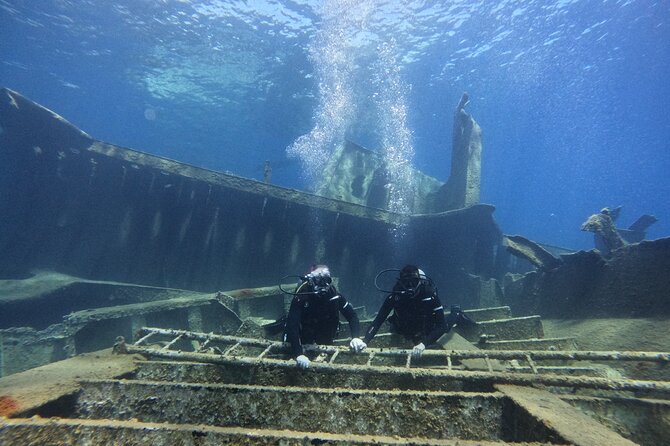
At $119.47 per person, this is not the cheapest way to spend a morning in Crete. The price makes more sense when you consider what is included in the format: instruction, equipment, a guided underwater session, and pickup service where available.
You are also paying for a small group and close supervision. For a nervous first-timer, that can be more valuable than saving a few euros on a larger outing. The instructors are not simply pointing out a beach and handing you a mask. They take you through the basic skills, help with the equipment, and adjust the session to your comfort.
The price is particularly reasonable if you have been curious about scuba but do not want to commit to a full certification course. After the session, the team can explain how to continue toward certification if you decide you want to dive independently in the future.
Photos and video may be available for purchase afterward. Several people considered them worthwhile, especially because the footage gives you a record of a first underwater experience. Ask about the cost before deciding, since the information provided does not state that photos or video are included in the base price.
This activity is often booked well ahead, with an average booking lead time of about 36 days. That does not mean you must reserve that far in advance, but it is a useful warning for a summer holiday. If your schedule is fixed, booking early is sensible.
Who should book this experience
I would choose this outing if you are staying around Heraklion and want a structured first encounter with scuba rather than a casual swim with a mask.
It suits:
- Adults who have never used scuba equipment
- Families with children aged eight or older
- Couples who want a shared holiday activity
- People who feel nervous and want patient instruction
- Certified divers returning after a long break
- Anyone considering a future certification course
The minimum age is eight. Swimming knowledge is not required according to the provided information, but you still need to complete the medical paperwork and follow instructions in the water.
It may not suit you if you have a breathing issue, a medical condition that affects safe participation, or strong discomfort with wearing equipment in the sea. If you have any doubt, use the medical questionnaire honestly and ask whether a doctor’s examination is needed before booking.
It is also not the right choice if you want a full certification in one morning. This is an introduction, designed to help you learn the basics and decide if you want more.
Practical details that can affect your day
The activity requires suitable weather. If poor conditions force a cancellation, you are offered another date or a full refund. The same applies if the minimum number of participants is not reached.
You can cancel for a full refund up to 24 hours before the start time. Changes or cancellations made less than 24 hours before the activity are not accepted for a refund, and the cut-off follows local time.
Confirmation is normally sent at booking. If you book within two days of the scheduled date, confirmation can take up to 48 hours and remains subject to availability.
Service animals are allowed, and the meeting point is near public transportation. The activity is offered in English, with the theory lesson also noted as available in French and German.
Wear what you can manage comfortably at a beach and bring any personal items you need for the morning. The most important preparation is not athletic. It is arriving rested, answering the medical questions carefully, and being willing to tell the instructor if your ears, breathing, or nerves need more time.
Should you book Horizon Diving?
Book it if you want a careful, beginner-focused introduction with hotel pickup, a small group, and instructors who adjust the pace instead of pushing everyone to the same depth.
The sea life can be modest and unpredictable, and this is not a certification course or a guaranteed encounter with large animals. Still, fish schools, sea urchins, an octopus, and clear water can make a memorable morning, especially when you are seeing them while breathing underwater for the first time.
At $119.47, the value lies in supervision and reassurance as much as in the equipment or scenery. If Yiannis, Chris, Sarah, or another Horizon instructor gives you the same patient preparation described here, you should finish with a clear idea of whether formal certification is your next step.
FAQ
Where does the scuba experience start?
The listed meeting point is Horizon Diving at Dominikou Theotokopoulou 15 in Gournes, Crete. Pickup is offered outside your hotel or property, and you should look for a Horizon Diving car or minibus.
What time does the activity begin?
The stated start time is 9:00 am. The experience lasts about four and a half hours, with the advertised duration listed as approximately five hours.
Do I need prior scuba or swimming experience?
No prior scuba experience is required, and the activity information says swimming knowledge is not necessary. You will receive instruction and practice basic skills in shallow water first.
What is the minimum age?
The minimum age is eight years old. Depth and pace are adapted to the participant’s confidence and applicable safety standards.
Will I see sharks or other sea life?
Sharks have not been seen in the local area used for this activity. You may see schools of fish, sea urchins, an octopus, and possibly barracudas, but sightings cannot be guaranteed.
What happens if the weather is poor?
The experience requires good weather. If it is canceled because of poor conditions, you are offered a different date or a full refund.
More Scuba Diving in Crete
- Plakias: Try Scuba Diving first time – Private, from 8 yrs.
★ 5.0 · 21 reviews - Heraklion: Scuba Diving Experience for Beginners
★ 4.5 · 21 reviews - Chania Scuba Diving 2 Shore Dives(Receive Certification)
★ 5.0 · 11 reviews - Crete Introductory Scuba Diving Experience
★ 4.5 · 9 reviews
Newest Crete write-ups
- Heraklion – Walking city tour with food tasting★ 4.5 · 25 reviews
- Private Full-Day Elafonisi★ 5.0 · 4 reviews
- Mirabello Luxuries with Spinalonga & Agios Nikolaos from Iraklion★ 4.5 · 7 reviews
- Cretan Flavors – Cooking Lessons and Wine Olive Oil Tasting★ 5.0 · 9 reviews
- Private Trekking Rouvas Gorge★ 4.5 · 4 reviews
- Ecobike All inclusive – 2 Day tour – Discover the real Crete★ 5.0 · 4 reviews
- Truffle Hunting, Culinary & Wine Celebration from Heraklion★ 5.0 · 6 reviews
- Secrets of West Crete & Rethymno Town Private Tour from Heraklion★ 5.0 · 9 reviews
Crete Scuba Diving, compared.
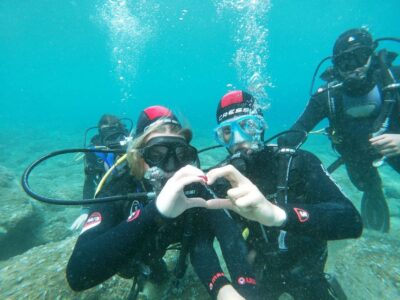
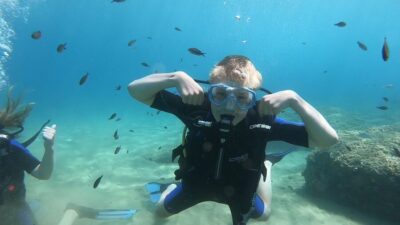
Beginner Scuba Diving Lesson with PADI Instructor
Read our review →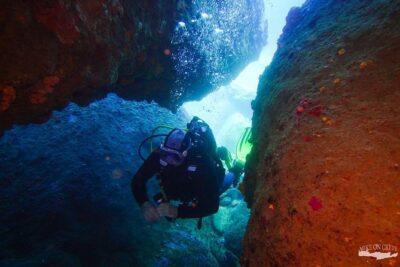
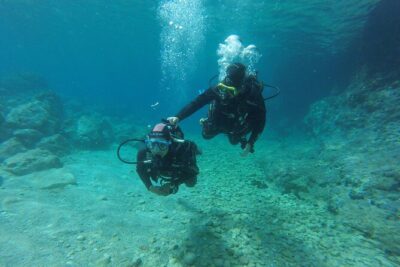
Chania: Snorkeling & Scuba Dive for Beginners by Boat
Read our review →
Browse the lists this tour appears in