
Reviewed · CRETE POTTERY WORKSHOPS
Koumoulia Ceramics / Ceramics courses
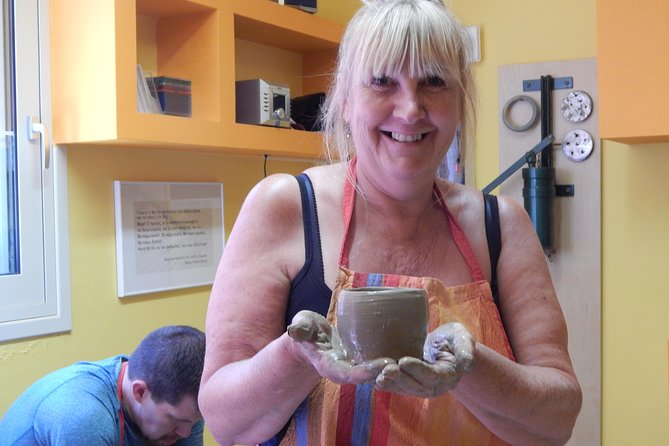
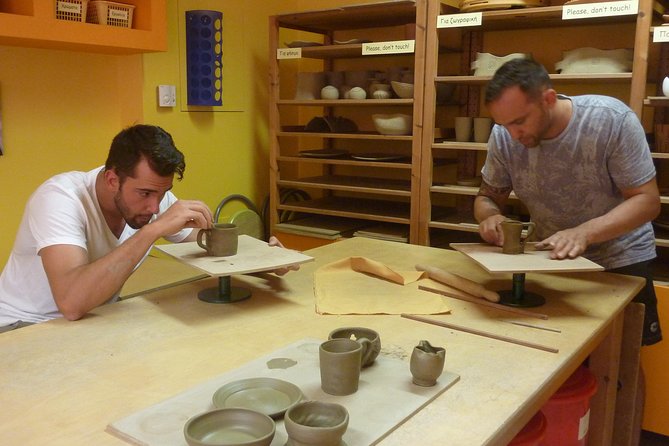
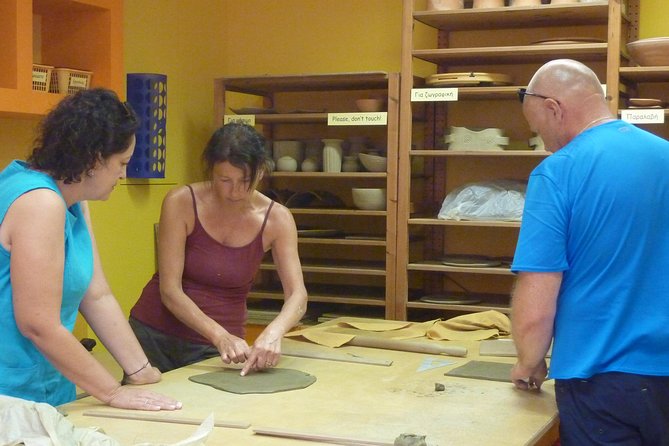
The best part of Koumoulia Ceramics is the chance to turn a lump of Crete’s most basic material into something made by your own hands. In a small group of no more than five, you get a quick workshop tour, a look at how clay becomes a useful object, and time to try hand-building or the potter’s wheel.
I like the friendly, practical teaching and the chance to test several techniques rather than simply watch a demonstration. I also like the small-group setting, which makes it easier to ask for help when your bowl starts leaning like the Tower of Pisa.
The main catch is that your work is not ready to take home at the end of the two-hour session. It needs three to four days to dry, and glazing plus a second firing costs extra. If you are flying home soon, pickup and shipping deserve careful thought before you book.
Key points to know before shaping your first pot
- Small groups of up to five: You receive more direct help than in a large craft class.
- Two ways to work: Try clay by hand or use the wheel, with instruction in several basic techniques.
- A real finishing process: Pieces need three to four days to dry, and glazed work needs another firing after about two more days.
- Pickup or paid delivery: You can collect finished work from the studio or arrange shipping at your own expense.
- The price is $96.11 per person: That is a fairer value if you want hands-on instruction, but less appealing if you expect a finished souvenir immediately.
- A detail needs checking: Rouvas Gorge and the Palace of Knossos are listed as stops, but the workshop description focuses on ceramics and gives no explanation of how those places fit the class.
What happens during the two-hour pottery session
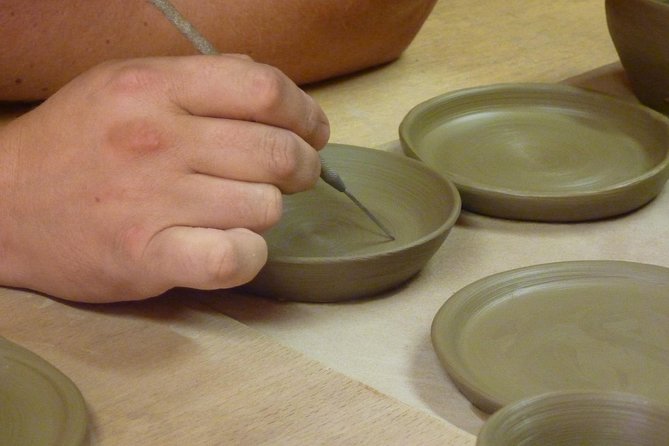
You begin with a short tour of the workshop. This gives you a useful look at the working environment before your hands get dirty, along with an explanation of the stages clay passes through from an amorphous mass to a useful object.
That introduction matters. Pottery can look simple until you try to control the shape, thickness, and balance of wet clay. Seeing the process first helps you understand that the finished cup, bowl, or other object is only one part of the job. Drying and firing are just as important.
After the tour, the instructor shows you different ways to form clay. You can work by hand or try the wheel. The information provided does not promise a particular number or type of object, so you should think of this as a practical introduction rather than a production session where you leave with a set of finished dishes.
The class lasts about two hours. That is enough time to learn the basics and make your own pieces, but it is not a full pottery apprenticeship. If you have never used a wheel, expect some trial and error. Clay has a sense of humor, and it often collapses at the exact moment you begin feeling confident.
The strongest part of the experience is the chance to try more than one technique. One class description specifically highlights different methods to learn and test, along with friendly support from the teacher. That makes the session suitable for beginners who want an active workshop rather than a passive craft demonstration.
More pottery workshops in Crete:
- Zeus Cave, Lassithi Plateau, Olive Oil Factory, Kritza, Pottery
★ 5.0 · 362 reviews - Crete:Zeus & Lassithi Plateau, OliveTasting, Kritza, Pottery
★ 4.8 · 259 reviews - Knossos Palace and Pottery experience (Luxury Adventure)
★ 4.5 · 32 reviews
Hand-building or the wheel, choosing your pottery challenge
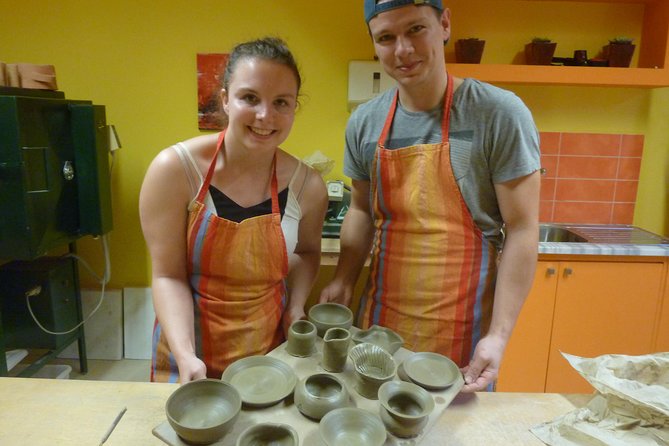
Hand-building is likely to feel more relaxed because you shape the clay directly with your fingers and simple techniques. It gives you time to watch the form develop and may suit you if you prefer a slower, more controlled approach.
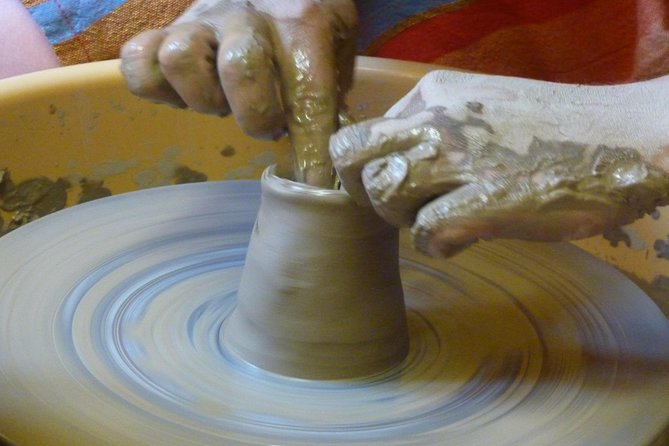
The wheel offers a different challenge. It requires you to center and guide the clay while it spins, so the first attempt may be more about learning control than producing a perfect vessel. That is not a flaw in the class. It is the point of trying the technique under instruction.
You should not judge the value of the session by how polished your first piece looks. The appeal is the process: feeling the clay, learning how pressure changes its shape, and seeing how a raw material becomes an object with a purpose.
The available information does not name the instructor, so you should not expect a personalized teacher profile before booking. What is clear is that the teacher demonstrates several methods and provides hands-on support. A small maximum of five people should help keep that guidance personal.
The wait after class is part of the craft
Your freshly made pieces need three to four days to dry. The exact time depends on what you create and on the weather. This is an important detail because drying is not an optional delay. Clay must be ready before it can safely go into the kiln.
Once the pieces have dried, you have two broad choices. You can pick them up from the workshop after they have been fired, or you can choose to glaze them in the color you want. Glazing adds a second step, and the glazed piece needs another firing.
That second firing takes about two more days. The cost is not included in the listed price, so you should ask about the current charge before deciding. The first firing and the handling of your finished work also deserve confirmation, since the supplied details focus most clearly on the drying period and the optional second firing.
The timing makes this class easier for a longer stay in Crete than for a quick stop before an evening flight. If your schedule is tight, you may need to leave the piece behind and arrange delivery. The workshop can send it to an address you provide, but shipping is paid by you.
Why shipping can change the value of the experience
At $96.11 per person, this is not a bargain souvenir-making activity. You are paying for instruction, workshop time, materials, and the chance to make your own object in a very small group.
The price makes more sense if you value the lesson itself. You get an explanation of the clay process, instruction in more than one technique, and a chance to work directly with the material. That is a better fit for someone who wants a creative memory of Crete than for someone who simply wants an inexpensive ceramic item.
Shipping can alter the final cost. Overseas delivery may be fairly expensive, and the information specifically warns that sending pieces outside the European Union can cost a lot. A past booking from the United States ran into this problem and chose not to have the pieces fired because of the expense. That meant the unfinished work could not serve as a useful take-home souvenir.
The practical lesson is simple: decide before class what you plan to do with your pieces. If you live outside Europe, ask for a shipping estimate before paying for firing and glazing. If the total becomes too high, you may prefer to treat the class as an experience and leave the objects at the workshop.
Same island, a completely different kind of day:
- From Kissamos Port: Boat Cruise to Balos Lagoon & Gramvousa
★ 4.2 · 6,755 reviews - Crete: Day Trip to Agios Nikolaos and Spinalonga Island
★ 4.6 · 4,416 reviews - From Chania: Full-Day Samaria Gorge Trek Excursion & Guide
★ 4.6 · 3,191 reviews - Agios Nikolaos: Boat Trip to Spinalonga with Swim Stop
★ 4.4 · 3,031 reviews
A note about Rouvas Gorge and Knossos
The supplied details also name Rouvas Gorge near Agios Nikolaos and the Palace of Knossos as stops. That does not match the main description, which explains a two-hour pottery class at Koumoulia Ceramics and says the activity ends back at the meeting point.
No transport details, visit times, or connection between the ceramics workshop and these two sites are provided. You should not assume that the pottery price includes admission, transport, or guided visits to either place.
If these locations matter to your plans, contact Koumoulia / Pottery Classes before booking and ask for clarification. The class begins at 3:00 pm at the stated meeting point on an unnamed road in Iraklio 700 13, Greece. That timing may also make a separate visit to Knossos or Rouvas Gorge impractical on the same afternoon, depending on your schedule.
This is more than a minor wording issue. Knossos and Rouvas Gorge suggest a sightseeing program, while the rest of the information describes a focused craft workshop. Confirming the format will help you avoid arriving ready for a cultural tour when you have actually booked time with clay.
Finding the workshop and planning your afternoon
The meeting point is listed as Unnamed Road, Iraklio 700 13, Greece, with a 3:00 pm start. One booking found the location difficult to reach, despite detailed directions being provided. That is a useful warning to take seriously.
Give yourself extra time to locate the studio. Check the meeting instructions closely after booking, and do not count on casually finding the workshop at the last minute. The experience ends back at the meeting point, so you do not need to arrange a separate return point.
A mobile ticket is provided, and confirmation arrives at booking. The class is offered in English. Most people can participate, and the group limit is five, but the information does not provide detailed accessibility notes. If you have mobility, transport, or hand-use concerns, ask the provider before committing.
The activity cannot be changed or refunded after booking. That makes advance planning especially important. Do not book until the start time, location, drying plan, and possible added firing or shipping charges fit your schedule and budget.
Who will enjoy Koumoulia Ceramics most
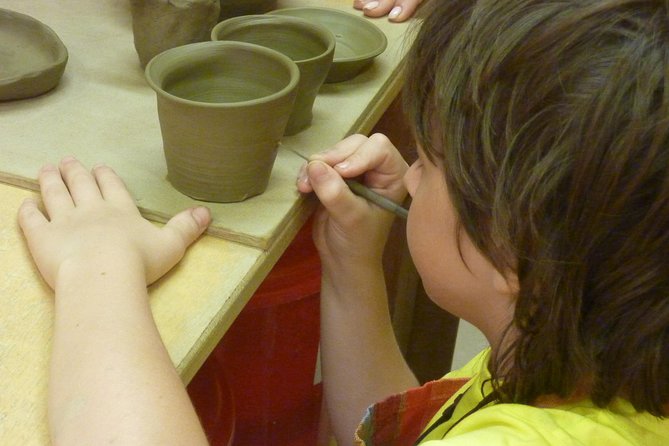
I would choose this class if you enjoy making things, want a small-group activity, or have enough time in Crete to deal with the drying and firing process. It also suits couples, friends, and families who want to spend an afternoon doing something more active than looking at another archaeological site.
It is a particularly good match for beginners. You do not need to arrive with pottery experience, and the class covers basic hand-building and wheel techniques. The small group should make it easier to get help when the clay misbehaves.
You may want to skip it if your main goal is a finished souvenir in your suitcase that same day. The pieces need several days before they can be fired, and a second firing costs extra if you choose glazing. Long-distance shipping can also exceed what you expected to spend on the class itself.
The experience has earned a 4.7 rating from 33 ratings, with 94 percent recommending it. Those figures fit the strengths of the format: direct instruction, a pleasant creative task, and a small class. They do not remove the practical limits around transport, finishing, and delivery.
Should you book this pottery class?
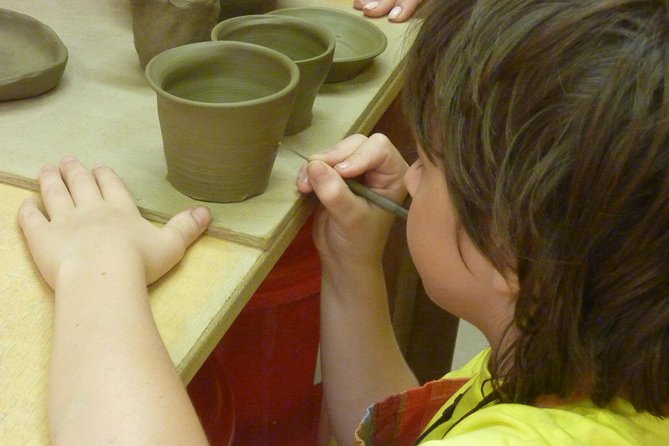
Book Koumoulia Ceramics if the lesson matters as much as the object. You will get a hands-on introduction to clay, a choice between hand-building and the wheel, and personal help in a group capped at five. It is a memorable way to spend two hours, especially if you are happy to accept that pottery takes time.
Think twice if you need a completed keepsake before leaving Crete, or if the $96.11 price is only attractive because you expect the final firing and delivery to be included. Before booking, confirm the meeting directions, ask how the Rouvas Gorge and Knossos references apply, and get a clear estimate for any extra firing and overseas shipping.
For a creative afternoon and a first taste of pottery, I would consider it a good choice. For a quick, low-cost souvenir, it is not the right tool for the job.
FAQ
How long does the Koumoulia Ceramics experience last?
The pottery session lasts approximately two hours.
What time does the activity start?
The stated start time is 3:00 pm.
Where does the activity begin?
It begins at Unnamed Road, Iraklio 700 13, Greece.
Where does the activity end?
The activity ends back at the meeting point.
How many people can join?
The maximum group size is five people.
Is the experience offered in English?
Yes. The activity is offered in English.
Can I work with clay by hand and on a wheel?
The session includes instruction in techniques for creating objects by hand or on the wheel.
Can I take my pottery home immediately?
No. Your pieces need about three to four days to dry, depending on what you make and the weather. If you choose glazing, allow another two days for the second firing.
Is shipping included in the price?
No. You can have the finished work sent to an address at your own expense. Overseas shipping can be fairly expensive, and the second firing is not included in the price.
Newest Crete write-ups
- Heraklion – Walking city tour with food tasting★ 4.5 · 25 reviews
- Private Full-Day Elafonisi★ 5.0 · 4 reviews
- Mirabello Luxuries with Spinalonga & Agios Nikolaos from Iraklion★ 4.5 · 7 reviews
- Cretan Flavors – Cooking Lessons and Wine Olive Oil Tasting★ 5.0 · 9 reviews
- Private Trekking Rouvas Gorge★ 4.5 · 4 reviews
- Ecobike All inclusive – 2 Day tour – Discover the real Crete★ 5.0 · 4 reviews
- Truffle Hunting, Culinary & Wine Celebration from Heraklion★ 5.0 · 6 reviews
- Secrets of West Crete & Rethymno Town Private Tour from Heraklion★ 5.0 · 9 reviews
Crete Pottery Workshops, compared.
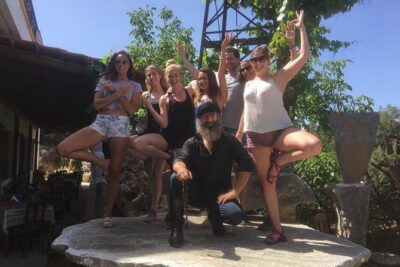
Zeus Cave, Lassithi Plateau, Olive Oil Factory, Kritza, Pottery
Read our review →
Zeus & Lassithi Plateau, OliveTasting, Kritza, Pottery
Read our review →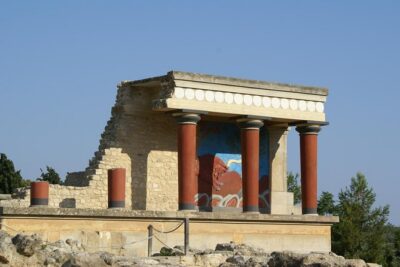
Knossos Palace and Pottery experience (Luxury Adventure)
Read our review →
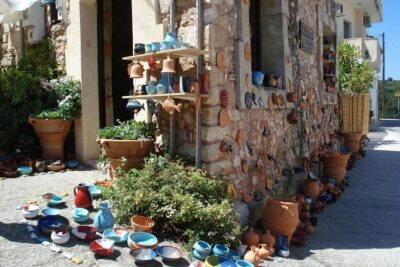
Pottery Village of Margarites – The monastery of Arkadi & The Gorge of Patsos
Read our review →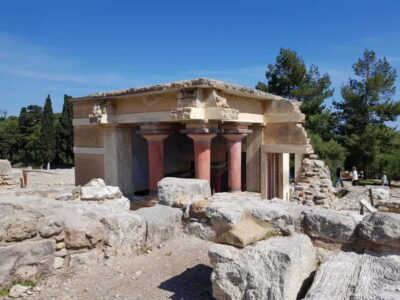
Knossos Palace and Pottery experience. Excursion Safari
Read our review →
Plateau of Lassithi, Monastery of Kera and Ceramics
Read our review →
Browse the lists this tour appears in