
Reviewed · CRETE OLIVE OIL TOURS
Olive Oil Tasting Tour
Crete’s olive oil story becomes much clearer when you stand among the trees, then walk inside the mill and see the machines that turn olives into oil. At Koronekes Olive Mill in Epano Archanes, you’ll learn about organic olive farming before tasting several oils and local products.
I like two things here: the private format lets you ask questions without holding back, and the tasting goes beyond a single spoonful of oil. The setting is another plus, with the visit beginning in a courtyard among olive trees.
The main consideration is time. This is a focused one-hour visit, sometimes lasting up to 80 minutes, not a full day at an estate. If you want transport, a meal, or a long walk through the countryside, you’ll need to arrange those separately.
Key points to know before you book
- You visit a working olive mill: The tour shows the machinery used to make extra virgin olive oil, not just a display of attractive bottles.
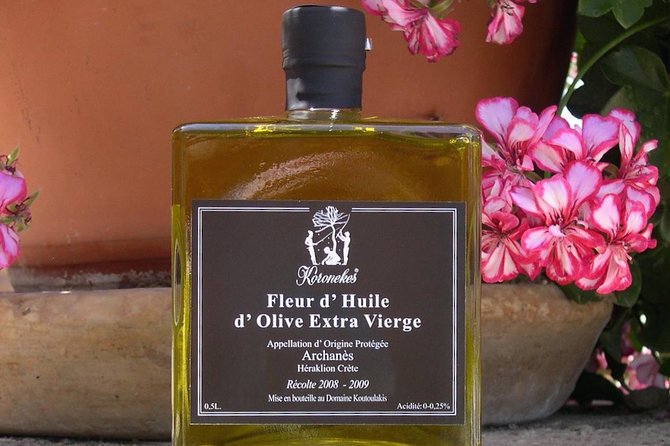
- You taste seven products: The tasting includes three qualities of extra virgin olive oil, two flavored oils, sweet vinegar, and petimezi, a grape syrup.
- Your group stays private: Only your own party takes part, so you can ask questions at your own pace.
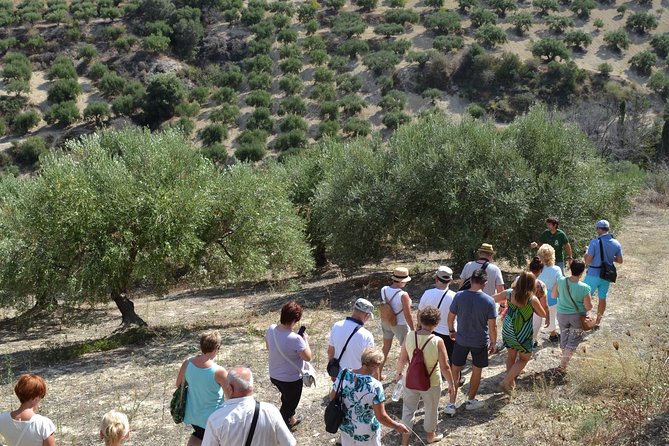
- The visit starts outdoors: You begin in a courtyard surrounded by olive trees and hear about organic cultivation before entering the mill.
- You compare two production methods: The explanation covers first cold pressing and modern cold extraction using a centrifuge.
- It is easy to fit into a driving day: The one-hour format works well in the olive and wine-growing area south of Heraklion.
What happens at Koronekes Olive Mill
The visit begins at Koronekes Olive Mill in Epano Archanes, at the listed meeting point with no street name. You return to this same spot at the end, so there is no second location to find or arrange for pickup.
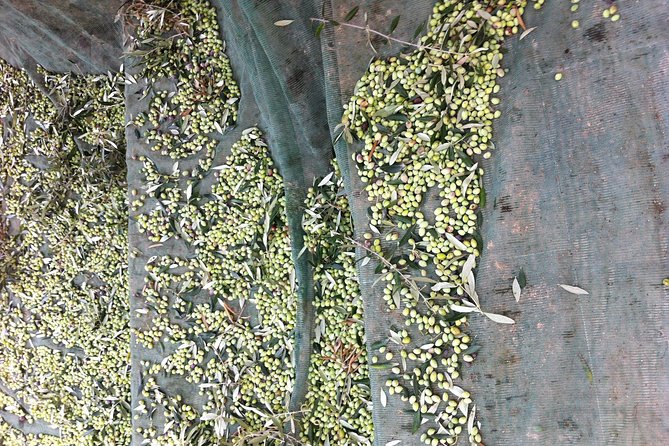
Your first stop is the courtyard. Olive trees surround the space, giving the visit a useful sense of place before the technical part begins. Instead of starting with a sales counter, the hosts introduce you to organic olive tree farming and explain the work behind the crop.
That opening matters because olive oil quality begins long before the mill. The condition of the olives, the way they are handled, and the timing of processing all affect the final taste. You will not simply hear that Cretan olive oil is important. You will get a basic picture of how the raw fruit becomes a food product.
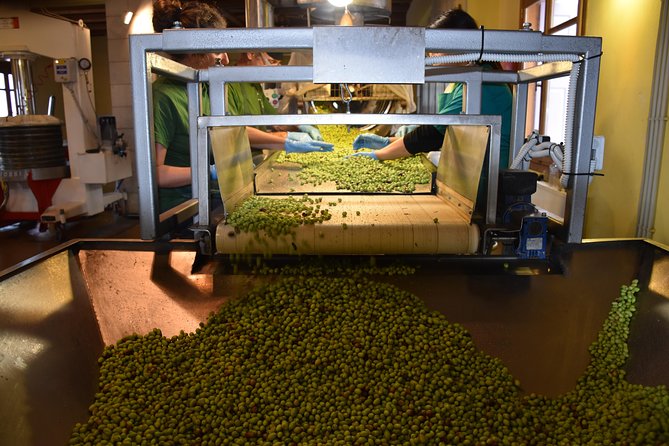
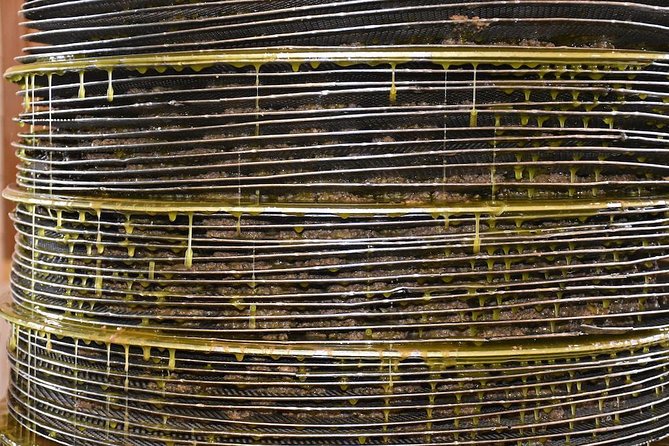
The visit then moves into the olive mill. Here, the hosts explain the first cold pressed method and show you each machine used in the process. You also hear about cold extraction, the modern method that uses a centrifuge.
For many people, this is the most useful part of the experience. Oil labels can be confusing, and terms such as extra virgin, cold pressed, and cold extracted can sound like marketing language. Seeing the equipment gives those terms a practical meaning. You can ask how the two methods differ and why a producer might choose one process over another.
The hosts also place attention on careful handling. The production approach includes hand sorting olives and pressing them rather than relying only on faster commercial centrifuge methods. That gives you a better basis for understanding why some oils cost more and why freshness and production choices affect flavor.
More olive oil mills and tastings around Crete:
- Crete: Quad Safari, Olive Mill with Tasting & Ghost Village
★ 4.9 · 1,004 reviews - Knossos-Zeus Cave -Old Traditional Villages-Olive Oil Factory
★ 5.0 · 694 reviews - From Chania: Olive Oil, Wine, Cheese & Honey Tasting Tour
★ 4.6 · 490 reviews
Why the production explanation is worth your time
An olive mill can be easy to misunderstand from the outside. You may picture olives being squeezed in a simple old-style press, but modern oil production involves several stages and machines. The tour helps connect the old phrase first cold pressed with the newer equipment used in oil making.
You will also hear about centrifuge-based cold extraction. The distinction is useful because extra virgin olive oil is not defined by a rustic appearance or a particular bottle design. It depends on the quality of the oil and how it is produced and assessed.
The hosts explain the process in English, and the presentation is suited to questions. The private setup means you do not have to wait for a large group to move along before asking about a machine, a production choice, or a flavor you notice in the tasting.
The visit is especially useful if you are buying olive oil in Crete. After seeing the production stages, you can think more carefully about what you want from a bottle. You may prefer a peppery oil for salads, a gentler one for cooking, or a flavored oil for finishing a dish.
Keep your expectations in check, though. This is an introduction rather than a professional olive-oil certification course. You will learn the basics and practice tasting, but the short duration leaves little room for a technical study of defects, chemistry, or regional varieties.
The tasting: three extra virgin olive oils and more
The tasting comes at the end, after you have seen the trees and the machinery. You try three qualities of extra virgin olive oil, which gives you a chance to compare rather than judge a single sample in isolation.
That comparison is the heart of the visit. Oil can vary in strength, aroma, bitterness, and peppery finish. With several samples in front of you, you can begin to notice how oils differ and decide what suits your own palate.
The tasting also includes two flavored oils. These are described as blended flavors rather than infused ones, a useful detail if you care about how the flavor enters the oil. The additional samples give the tasting a lighter, more playful side after the production talk.
You also try a sweet vinegar and petimezi, a delicious grape syrup. Petimezi is a good addition because it moves the experience beyond olive oil alone and introduces another traditional product made from grapes.
The hosts explain how to taste olive oil and how to identify extra virgin olive oil. You may be encouraged to ask questions as you compare the samples. That makes the tasting more useful than simply sampling products one after another without guidance.
You should not expect a large meal. The supplied details describe a tasting of oils, vinegar, and grape syrup, not a lunch or a full food pairing. Have a proper meal before or after if you need something substantial.
The private format and what it changes
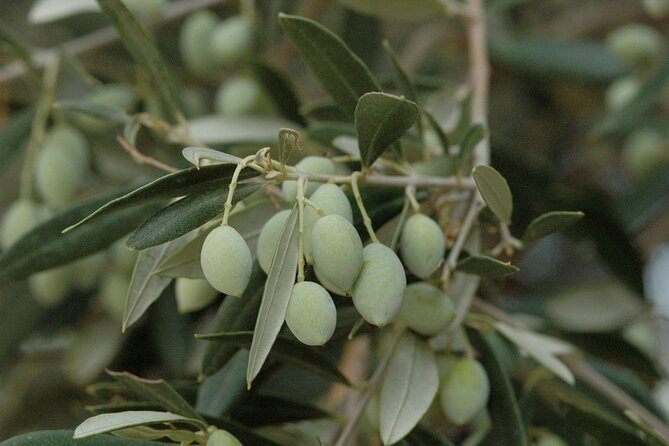
This is a private tour, so only your group participates. That is a real benefit for couples, families, and small groups with different levels of interest. The person who wants to ask about centrifuges can do so, while someone else can focus on flavors and local products.
A private visit also makes the experience feel less like a timed attraction. You have room to ask a basic question without feeling that you are slowing down a busload of people. The hosts appear comfortable explaining the process in clear English and responding to curiosity.
There is a small practical tension here. A private tour does not automatically mean a long, leisurely visit. The scheduled duration is still about one hour to one hour and 20 minutes, and the published itinerary gives one hour for the mill visit. You get attention from the hosts, but not an unlimited amount of time.
The private format is most valuable if olive oil is new to you or if you want to ask specific questions. If you already work with olive oil professionally, you may find the introduction too brief. For most holidaymakers, though, the balance of explanation and tasting should be enough.
More Crete food tastings:
- Crete: Sunset or Morning Quad with Local Products Tasting
★ 4.9 · 1,135 reviews - Chania: Old Town Highlights Guided Tour with Street Food
★ 4.9 · 407 reviews - From Chania: Wine and Olive Oil Tasting Tour with Snacks
★ 4.8 · 354 reviews - Walking “Food tasting tour” in the town of Chania
★ 5.0 · 297 reviews
The setting in Epano Archanes
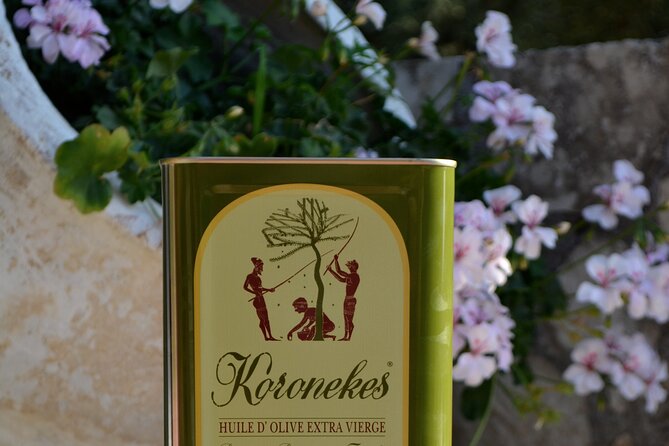
Epano Archanes gives the experience a rural Cretan setting without requiring a full-day excursion. The olive trees in the courtyard help you connect the product with the land around the mill, and the area fits naturally into a drive through the olive and wine-growing region south of Heraklion.
This is not a city-center activity. You need to reach Koronekes Olive Mill at the stated meeting point in Epano Archanes. Since no transport is listed, plan your own route and allow enough time to locate the mill before the start.
The setting may be one of the best reasons to pair this visit with other stops in the area. You can build it into a driving day instead of treating it as a stand-alone destination. The short duration leaves room for other plans, but you should not assume that the mill will provide transportation or an organized countryside tour.
The courtyard also gives the visit a more personal feel than a tasting room with no connection to agriculture. You see olive trees first, then learn how their fruit is handled inside. That simple sequence helps the process make sense.
How the price compares with the experience
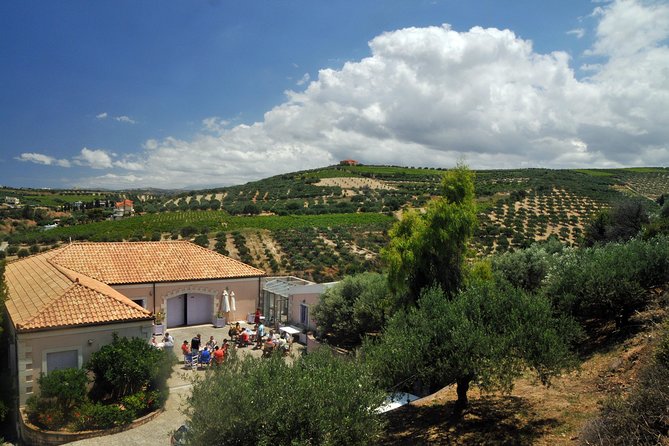
At $19.36 per person, this is a modestly priced private activity. The value comes from the combination of a personal visit, a production explanation, and several tastings rather than from the length alone.
An hour can feel short for a private tour, but the format keeps the experience focused. You are not paying for a long estate walk or a meal. You are paying for access to the mill, an explanation of how the oil is made, and a guided comparison of several products.
The price is particularly fair for people who are already planning to buy olive oil in Crete. The tasting helps you decide what you actually like before spending more on bottles. It also gives you a better understanding of what you are bringing home.
If you are looking for entertainment on a large scale, the price may not feel as strong. There is no mention of a cooking class, extended meal, hotel transfer, or several hours of activities. The value is practical and educational, not lavish.
The tour is booked about 19 days in advance on average, so it is sensible to reserve ahead if your schedule is fixed. You can choose from different start times, which makes it easier to fit the mill into a day of sightseeing.
Who will enjoy this olive oil visit
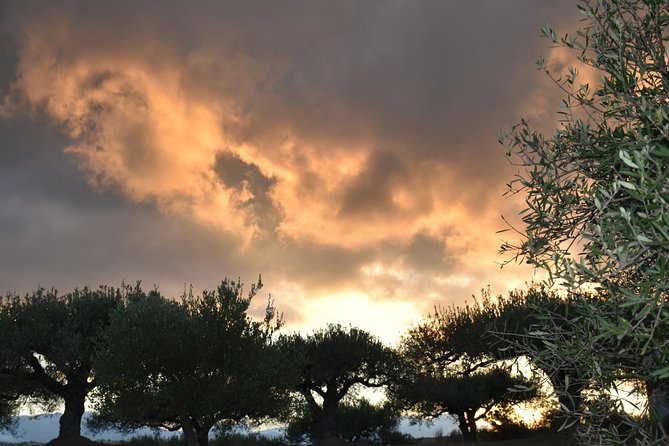
I would recommend this tour to anyone curious about food production, especially if you are spending time around Heraklion or driving through Crete’s olive-growing country. It is also a good choice for couples and small groups who prefer a direct conversation with local hosts.
Families can benefit from the short length. The machines and tasting give the visit a clear rhythm, though very young children may not care about the production details. Service animals are allowed, and most people can participate.
This is a strong pick for people who want to learn how to taste olive oil. You will not become an expert in one hour, but you can leave with a better sense of what extra virgin olive oil should taste like and how to compare samples.
It may not suit you if you want a major food experience with a full meal. The tasting is centered on oils, vinegar, and petimezi. It is also not the right choice if you need door-to-door transport, since no transfer service is included in the supplied details.
The friendly family atmosphere may appeal to you as well. The setting includes a welcoming dog, an amusing extra for animal lovers, but it should not be treated as a promised part of the formal program.
Practical details for planning your visit
The activity is offered in English and includes a mobile ticket. Confirmation arrives when you book, so you should have the basic details available on your phone when you go.
The meeting point is Koronekes Olive Mill, Epano Archanes 701 00, Greece. The address is listed without a street name, so check the map and directions before leaving. The visit ends back at the same meeting point.
Allow about an hour, with the possibility that the visit may run closer to 80 minutes. Arrive with enough time to find the mill, especially if you are fitting it between other stops.
You can cancel for a full refund up to 24 hours before the local start time. Changes or cancellations made less than 24 hours before the experience are not accepted for a refund. That rule is worth noting if your driving route depends on weather or last-minute changes.
The activity is offered as a private booking, and all members of your party take part together. That makes the timing and conversation more personal than a standard group tour, but it also means the date and start time matter more to your own schedule.
Should you book Koronekes Olive Mill?
Book this visit if you want a short, personal introduction to Cretan olive oil, especially if you are already exploring Epano Archanes or the countryside south of Heraklion. The mix of olive trees, machinery, production methods, and seven tasting samples gives the hour real substance.
I would skip it only if you want a full meal, a long farm visit, or transport included. For everyone else, $19.36 is a sensible price for a private stop that leaves you better able to taste, compare, and buy olive oil with confidence.
FAQ
Where does the olive oil tasting tour take place?
The tour takes place at Koronekes Olive Mill in Epano Archanes, Crete. The listed address is Epano Archanes 701 00, Greece, with no street name provided.
How long does the experience last?
The visit lasts about one hour to one hour and 20 minutes. The olive mill itinerary itself is listed as one hour.
What language is the tour offered in?
The experience is offered in English.
Is the tour private?
Yes. Only your own group participates in the activity.
What will I taste?
You will taste three qualities of extra virgin olive oil, two flavored oils, a sweet vinegar, and petimezi, a grape syrup.
Does the tour explain how olive oil is made?
Yes. The hosts explain organic olive tree farming, show the machines in the mill, and discuss first cold pressing and cold extraction using a centrifuge.
Can I cancel for a full refund?
Yes. You can cancel at least 24 hours before the local start time for a full refund. Cancellations or changes made less than 24 hours before the start are not accepted for a refund.
Newest Crete write-ups
- Heraklion – Walking city tour with food tasting★ 4.5 · 25 reviews
- Private Full-Day Elafonisi★ 5.0 · 4 reviews
- Mirabello Luxuries with Spinalonga & Agios Nikolaos from Iraklion★ 4.5 · 7 reviews
- Cretan Flavors – Cooking Lessons and Wine Olive Oil Tasting★ 5.0 · 9 reviews
- Private Trekking Rouvas Gorge★ 4.5 · 4 reviews
- Ecobike All inclusive – 2 Day tour – Discover the real Crete★ 5.0 · 4 reviews
- Truffle Hunting, Culinary & Wine Celebration from Heraklion★ 5.0 · 6 reviews
- Secrets of West Crete & Rethymno Town Private Tour from Heraklion★ 5.0 · 9 reviews
Crete Olive Oil Tours, compared.
Zeus Cave -Old Traditional Villages-Olive Oil Factory
Read our review →
Zeus Cave, Lassithi Plateau, Olive Oil Factory, Kritza, Pottery
Read our review →

Knossos, Lasithi, Lasinthos and Olive Farm Combo Tour
Read our review →
Browse the lists this tour appears in