
Reviewed · CRETE OLIVE OIL TOURS
Pallada Semi-Private Olive Oil Tours in Sternes, Chania
Crete’s olive oil story comes alive in a compact visit to Pallada Kèpos, where you walk among olive trees, native herbs, flowers, and a small vegetable garden before seeing the oil mill at work. The most useful part is the tasting: you learn how to separate the aromas and flavors of four extra virgin oils instead of simply being told which bottle to buy.
I like the small maximum group of eight, which gives you room to ask questions. I also like the clear mix of farm, factory, and food. The one thing to weigh is the short 90-minute length. You get a focused introduction, not a long country day out or a full meal.
Key points at a glance
- Walk through Pallada Kèpos: See several Greek olive tree varieties, Cretan herbs, flowers, and a small vegetable garden among the groves.
- Follow the oil from fruit to bottle: The mill visit explains the production stages around modern factory equipment.
- Taste four extra virgin oils: You learn a basic tasting method and compare oils made in-house.
- Meet a local olive farmer: Bill has led visitors through the process and tasting, with time for questions.
- Finish with Cretan dakos: The traditional starter comes with the olive oil of your choice.
- Keep the timing simple: The visit lasts about 1 hour and 30 minutes, starts and ends at Pallada Olive Oil & Tours in Sternes, and is offered in English.
Why this Sternes olive oil visit is worth your time
Many food tours give you a plate and a few broad statements about local ingredients. Pallada takes a more useful route. You begin with the trees, move into the production area, and then taste the finished oil with a better idea of what you are looking for.
That order matters. If you taste first, the oils can blur together. After seeing the fruit and hearing about cultivation and harvest, you have a clearer sense of how olive oil begins. The mill visit then connects the grove to the bottle on your kitchen shelf.
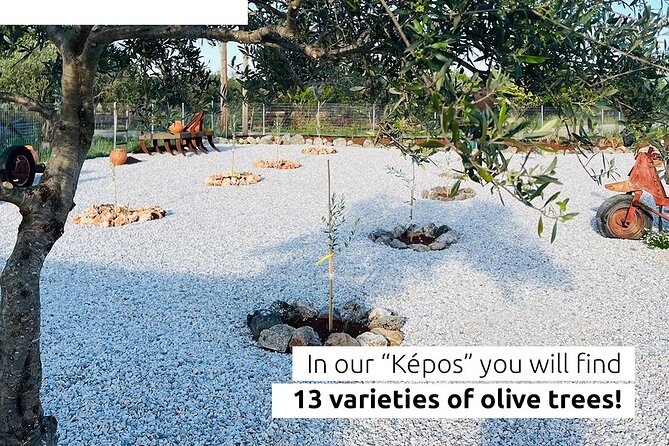
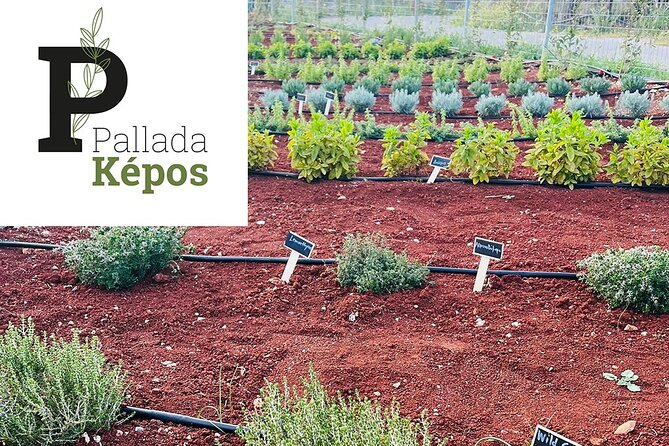
I especially like that this is not only a tasting room stop. You see a small botanical park called Pallada Kèpos, with native Cretan herbs and flowers, a vegetable garden, and several Greek olive tree varieties. It gives the visit a local setting rather than reducing Crete’s food culture to a product sample.
The format also suits people who prefer a short, organized activity. At about 90 minutes, it can fit into a day around Chania without consuming the whole afternoon. You return to the same meeting point, so there is no complicated finish to manage.
More Olive Oil Tours in Chania
- From Chania: Olive Oil, Wine, Cheese & Honey Tasting Tour
★ 4.6 · 490 reviews - From Chania: Wine and Olive Oil Tasting Tour with Snacks
★ 4.8 · 354 reviews - Crete Wine and Olive Oil Tour
★ 5.0 · 272 reviews
Walking through Pallada Kèpos and the olive groves
The visit begins outdoors at Pallada Kèpos, a small botanical park set among olive groves. You learn about the trees, the olive fruit, and the cultivation and harvest process while walking through the grounds.
The park adds variety to what could otherwise be a purely industrial visit. You can see different Greek olive tree varieties and notice the herbs and flowers that form part of the Cretan setting. The small vegetable garden also helps connect olive oil with the wider food culture of the island.
Do not expect a major botanical garden or a long country walk. The supplied details describe a small park, and the full activity lasts only around an hour and a half. Think of this section as a hands-on introduction to the growing side of olive oil, not a hike.
The cultivation and harvest discussion is useful because it explains the work behind a staple that is easy to take for granted. Olive oil is not simply a flavor added at the end of a recipe. It begins with tree varieties, fruit, timing, and care in the groves.
The outdoor portion may be the most appealing part for anyone who wants a sense of place. You are not only looking at bottles with attractive labels. You are seeing the trees and plant life connected to the product.
Inside the modern olive mill
After the grove, you visit Pallada’s olive mill facilities. The tour moves among the modern production equipment, with an explanation of the phases used to turn olives into oil.
This section gives the activity its practical edge. You are not asked to accept vague talk about traditional methods. You can see the factory equipment and hear how the process works from beginning to end.
The wording of the tour promises detail on all phases of olive oil production. That should help you understand how the fruit is handled and how the finished oil is produced, even if you know little about milling before you arrive.
Bill is named in the feedback as a local olive farmer who leads the tour and tasting. That background is useful here. A person connected to olive growing can explain the process in terms of actual farm work, rather than giving you only a polished sales talk.
The mill is still a working production setting, so this is not designed as a museum display with a large collection of historic tools. The appeal is seeing modern equipment and understanding its role. If you are fascinated by machinery, this part may be the highlight. If you want only a relaxed food tasting, the factory explanation may feel more technical.
Learning to taste four extra virgin oils
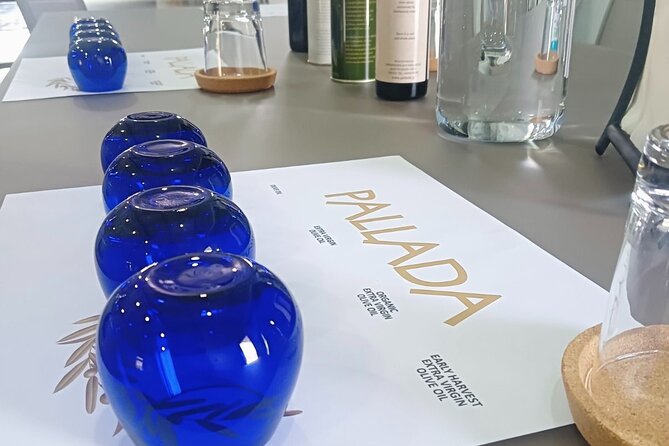
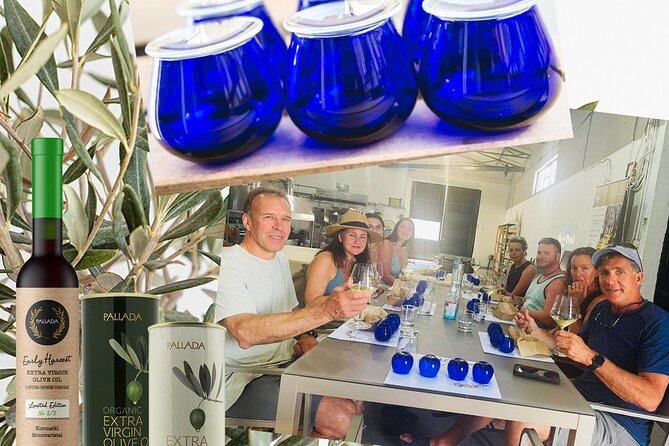
The tasting is the heart of the visit. You sample four different extra virgin olive oils made in-house and learn how to identify their differences.
That is more useful than tasting one oil and hearing that it is good. Comparing four examples lets you notice contrasts in aroma and flavor. The aim is to give you a method for tasting, so you can make better choices later in a market or restaurant.
The activity specifically teaches you how to taste an extra virgin olive oil. You are shown how to distinguish the oils, rather than simply being handed small portions with no explanation. Several people who praised the experience singled out this lesson as a strong part of the visit, especially for anyone interested in cooking.
I like this practical approach. You do not need to be a food expert to benefit. A basic tasting skill can change how you use oil at home. You may begin to think about which oil belongs on a salad, with bread, or in a finished dish, though the exact pairings are not specified as part of the tour.
The four samples are made in-house, which keeps the tasting tied to the olive groves and mill you have just seen. That connection gives the exercise a clear purpose. You see the setting, learn the process, then taste the result.
Keep your expectations sensible. A 90-minute visit cannot cover every olive variety, chemistry term, or regional style in Greece. It does give you a focused lesson with enough comparison to make the tasting meaningful.
More olive oil mills and tastings around Crete:
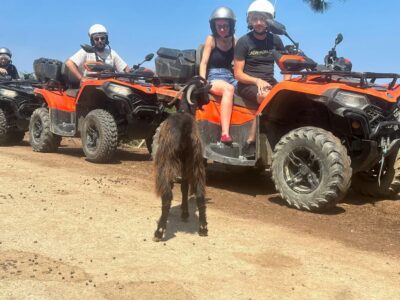
- Crete: Quad Safari, Olive Mill with Tasting & Ghost Village
★ 4.9 · 1,004 reviews - Knossos-Zeus Cave -Old Traditional Villages-Olive Oil Factory
★ 5.0 · 694 reviews - Crete: Road-trip to Lasithi Plateau & Olive Mill Farm
★ 4.4 · 420 reviews - Zeus Cave, Lassithi Plateau, Olive Oil Factory, Kritza, Pottery
★ 5.0 · 362 reviews
Ending with Cretan dakos
The visit ends with a traditional Cretan treat: dakos. The sample menu lists Cretan dakos served with the olive oil of your choice.
Dakos is a simple Cretan dish built around local products, and it provides a good finish because you can taste the oil in a real food setting rather than only from a tasting vessel. Choosing the oil yourself also gives the tasting a final practical step.
This is described as a starter, not a full lunch. If you are booking the activity around a meal, plan to eat elsewhere. The dish is meant to leave you with a taste of Cretan food, not replace a substantial meal.
I appreciate that the food is tied to the place. The tour does not end with a generic packaged snack. It ends with a traditional Cretan preparation and the oil you have just learned to compare.
The choice of oil is a small but important detail. If one sample appealed to you during the tasting, you can try it with dakos and see how it works with other ingredients.
A small group with room for questions
The group size is capped at eight people. That is a strong feature for this type of activity, since the value depends on being able to hear the explanations and ask about the trees, equipment, and oils.
A large group could make a tasting lesson feel rushed or turn the walk into a line behind a guide. Eight people keeps the setting more personal without making it a private tour.
The feedback names Bill as the guide and describes him as friendly and ready to answer many questions. His role as a local olive farmer gives the visit a direct connection to the subject. If you have questions about cultivation, harvesting, or cooking with the oil, this is the point in the tour to ask them.
The tour is offered in English. That makes the explanations accessible to English-speaking visitors, but no other tour language is listed. Confirmation arrives within 48 hours of booking, subject to availability, so you should not treat the reservation as final until it has been confirmed.
Price, timing, and practical value
At $41.94 per person, the experience is priced as a short specialist food and production tour. I judge the value by what is included: a botanical park walk, an olive mill visit, instruction on tasting, four in-house extra virgin oils, and a Cretan dakos starter.
The price makes more sense if you care about food, cooking, farming, or local products. You are paying for access to a working olive oil setting and a guided lesson, not only for a few samples.
The 90-minute duration is both a strength and a limit. It is easy to fit into a Chania-area schedule, and you will not spend half a day on a subject you may only be testing out. On the other hand, the short length means the tour cannot offer a long grove walk, a major meal, or a wide survey of Cretan agriculture.
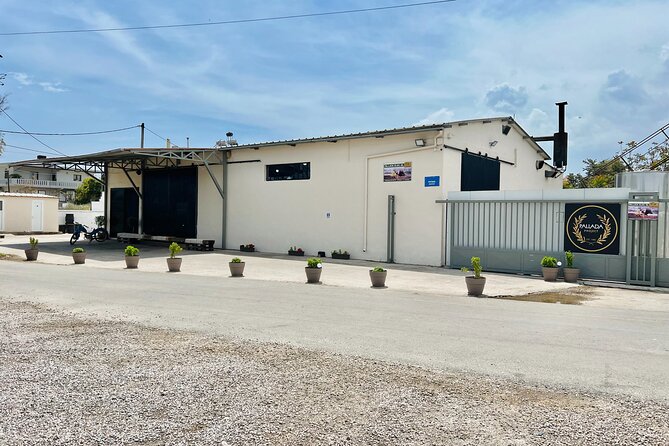
The meeting point is Pallada Olive Oil & Tours on an unnamed road in Sternes, postal code 731 00, Greece. The activity ends back at that same meeting point. It is near public transportation, and service animals are allowed. Most people can participate, but the available information does not provide a detailed breakdown of physical access or the exact transport connections.
The activity is commonly reserved about 21 days ahead. That is a useful planning clue if your dates are fixed, especially because the group is small and confirmation is subject to availability.
You can cancel for a full refund if you do so at least 24 hours before the local start time. Changes or cancellations inside that 24-hour window are not accepted for a refund.
Who will enjoy this most
I would choose this tour if you want a short, specific look at one of Crete’s essential foods. It suits cooks, food lovers, couples, and families who can give 90 minutes to a guided activity.
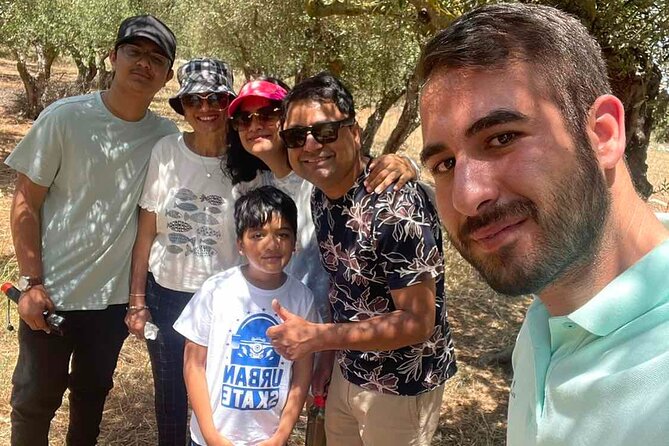
It is also a good choice if you want something more personal than a large factory tour. The eight-person limit and Bill’s direct connection to olive farming create room for questions and conversation.
Families can benefit from the change of pace. Children may find the trees and equipment more interesting than a long historical lecture, though the tasting lesson may appeal most to adults and older children.
The tour is less suitable if you want a full agricultural day, a large meal, or extensive sightseeing around Chania. It is also not the right pick if you prefer to explore independently without a guide. The value depends on the explanations, comparisons, and chance to ask questions.
If you have limited time in Crete, this activity gives you a focused local experience without requiring a full-day commitment. If you already have a strong background in olive oil production, you may find the basic introduction less rewarding, though comparing four house oils can still be worthwhile.
Should you book the Pallada olive oil tour?
Book it if you want to understand Cretan olive oil instead of simply buying a bottle and hoping for the best. The strongest reasons are the small group, the local olive-growing setting, the modern mill, and the tasting of four in-house oils.
The tour is especially good for cooks and curious eaters because it teaches a skill you can use after leaving Crete. You will also get a small botanical park walk and dakos, so the visit connects farming, production, tasting, and food.
Skip it if you need a long excursion, a full lunch, or a broad tour of the region. But for $41.94 and about 90 minutes, Pallada offers a tidy, personal introduction to one of Crete’s everyday treasures.
FAQ
Where does the Pallada olive oil tour take place?
It takes place at Pallada Olive Oil & Tours, on an unnamed road in Sternes, 731 00, Greece.
How long does the experience last?
The tour lasts approximately 1 hour and 30 minutes.
What language is the tour offered in?
The experience is offered in English.
How many people can join the tour?
The maximum group size is eight travelers.
What will I see during the outdoor portion?
You will walk through Pallada Kèpos, a small botanical park among olive groves, with native Cretan herbs and flowers, a small vegetable garden, and several Greek olive tree varieties.
Will I visit an olive mill?
Yes. You will visit the olive mill facilities and learn about the phases of production around the modern factory equipment.
How many olive oils will I taste?
You will taste four different extra virgin olive oils made in-house.
Is food included?
Yes. The visit ends with a traditional Cretan treat. The sample menu lists Cretan dakos served with the olive oil of your choice.
Can I cancel for a full refund?
Yes. You can cancel at least 24 hours before the experience’s local start time for a full refund. Cancellations or changes made less than 24 hours before the start time are not accepted for a refund.
Newest Crete write-ups
- Heraklion – Walking city tour with food tasting★ 4.5 · 25 reviews
- Private Full-Day Elafonisi★ 5.0 · 4 reviews
- Mirabello Luxuries with Spinalonga & Agios Nikolaos from Iraklion★ 4.5 · 7 reviews
- Cretan Flavors – Cooking Lessons and Wine Olive Oil Tasting★ 5.0 · 9 reviews
- Private Trekking Rouvas Gorge★ 4.5 · 4 reviews
- Ecobike All inclusive – 2 Day tour – Discover the real Crete★ 5.0 · 4 reviews
- Truffle Hunting, Culinary & Wine Celebration from Heraklion★ 5.0 · 6 reviews
- Secrets of West Crete & Rethymno Town Private Tour from Heraklion★ 5.0 · 9 reviews
Crete Olive Oil Tours, compared.
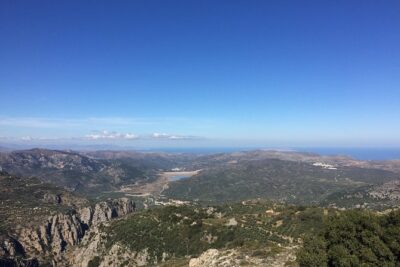
Zeus Cave -Old Traditional Villages-Olive Oil Factory
Read our review →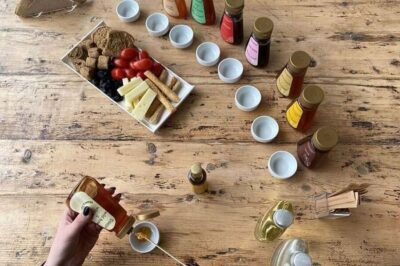
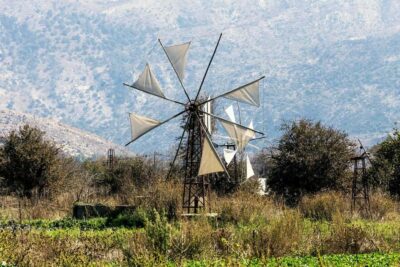
Zeus Cave, Lassithi Plateau, Olive Oil Factory, Kritza, Pottery
Read our review →
Knossos, Lasithi, Lasinthos and Olive Farm Combo Tour
Read our review →
Browse the lists this tour appears in