
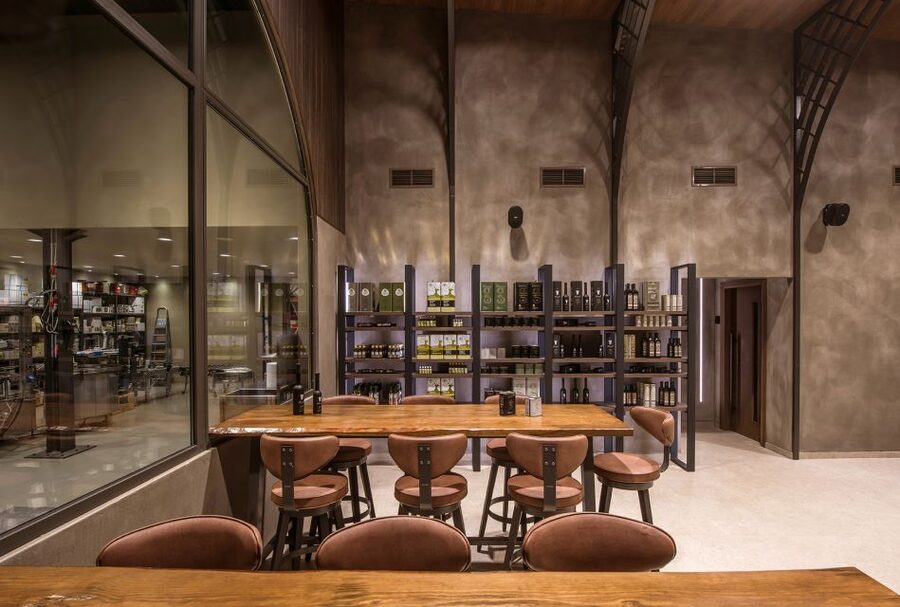
Reviewed · CRETE OLIVE OIL TOURS
Olive Oil Food Pairing in Crete
The clever part of this Cretan olive oil tasting is that it treats oil as an ingredient, not just a bottle on the table. You taste four premium oils, compare them with food, and learn why the best choice for bread may not be the best choice for another recipe.
I like the practical food-pairing lesson, and I like that the session includes a flawed oil so you learn what to avoid. The host is described as warm and passionate, and the relaxed 90-minute format keeps this from becoming a lecture. The main drawback is location: you must drive to the meeting point on the road from Heraklion to Moires, and transport is not provided.
Key points to know
- Four premium oils plus one defective sample: You learn both what good oil tastes like and which faults should raise a red flag.
- Food pairing is the heart of the session: Small snacks, bread, or apple help show how an oil changes with different foods.
- A wellbeing test adds a personal angle: Your lifestyle and diet patterns lead to practical advice after the tasting.
- The setting requires your own transport: Plan the drive carefully, especially if this is part of a day outside Heraklion.
- Private and small-group formats are available: This suits visitors who prefer questions and conversation over a large demonstration.
- The session lasts 1.5 hours: It fits neatly into a half-day plan without taking over your Cretan schedule.
What happens during the 90-minute tasting
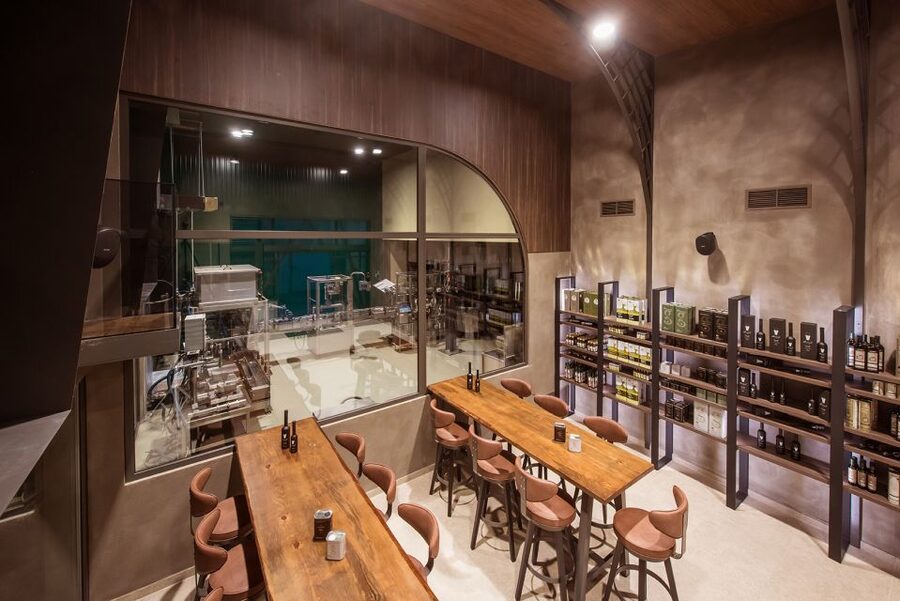
This is a focused food experience rather than a long farm visit. The session is led in English or Greek by an olive oil specialist with training in tasting and wellbeing. Since no personal guide name is provided, you should expect the host or assigned instructor to lead the full session.
The first part introduces the basic idea behind tasting olive oil. You are not simply asked if you like an oil. You learn to pay attention to its character, then compare one sample with another. That difference matters when you shop, since labels and attractive packaging do not tell you everything about quality.
You taste four premium olive oils from the provider’s brands. The point is comparison. One oil may suit a simple snack, while another may work better with a stronger food pairing. The session asks you to think about oil as part of a recipe, not as a one-bottle-fits-all purchase.
Apple or bread is available to cleanse your palate between samples, and bottled water keeps the tasting comfortable. These are small details, but they make a difference when several oils are tasted close together. Without a neutral bite and water, the flavors can start to blur.
The most useful teaching moment may be the defective sample. You taste one oil that demonstrates what to avoid, rather than only sampling polished examples. That contrast gives you a better sense of quality control and helps you recognize why an oil may seem flat, stale, or otherwise unpleasant.
The exact tasting order and names of the oils are not provided, so you should not expect a fixed list of varieties in advance. The value is in learning the method and the differences you can detect, not in collecting a checklist of named bottles.
More olive oil mills and tastings around Crete:
- Crete: Quad Safari, Olive Mill with Tasting & Ghost Village
★ 4.9 · 1,004 reviews - Knossos-Zeus Cave -Old Traditional Villages-Olive Oil Factory
★ 5.0 · 694 reviews - From Chania: Olive Oil, Wine, Cheese & Honey Tasting Tour
★ 4.6 · 490 reviews
Food pairing turns tasting into a useful skill
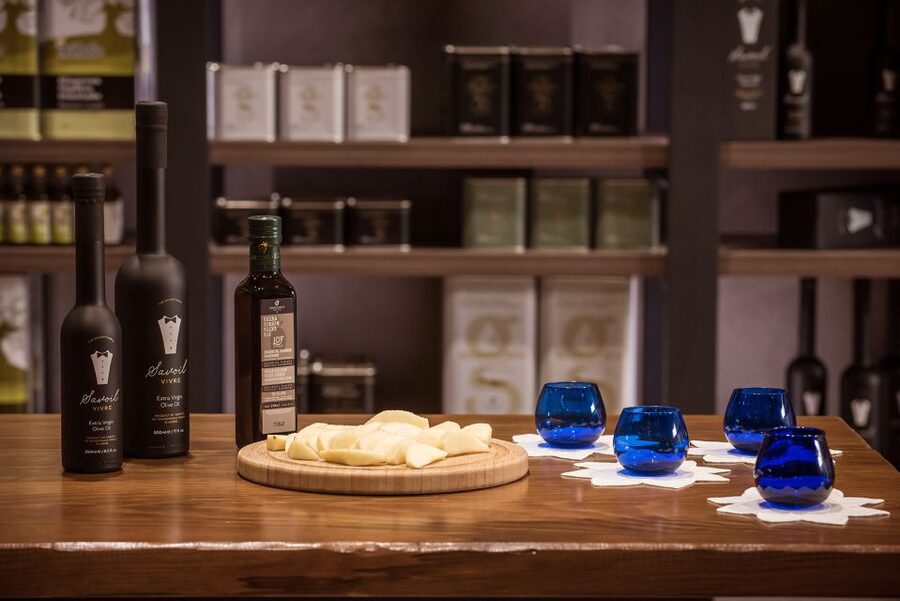
The food pairing portion is where this experience becomes useful for your own kitchen. You try the oils with a selection of small snacks and consider how the food changes the taste. A simple oil can seem different when paired with bread, fruit, or another snack.
The host explains that different recipes call for different olive oils. That may sound obvious once you hear it, but many shoppers buy one bottle and use it for everything. This session gives you a reason to question that habit and pay closer attention to how oil supports the rest of a dish.
I especially like this part for anyone who cooks at home. You are not only tasting a local product. You are learning how to make a better buying decision after you return home. The lesson can help you decide when a premium oil is worth the extra cost and when a more everyday choice may be enough.
The snacks are described as small rather than as a full meal. Come with realistic expectations. This is a tasting with food pairings, not a restaurant lunch or a full Cretan cooking class. If you need a substantial meal, eat before or after the session.
The food is described as fresh and good, but the available details do not specify the exact dishes. That is useful to keep in mind if you have allergies, strict dietary needs, or strong dislikes. Ask the provider ahead of time if you need a precise ingredient list.
Why the defective oil matters
Many tastings only show you the best products. Here, the defective sample gives you a direct comparison. You can understand a fault more clearly when it is placed beside sound oils and tasted in the same session.
This is practical for shopping in Crete and at home. You may buy oil in a beautiful tin, from a respected region, or at a high price, but those clues alone do not guarantee that the contents will suit you. Knowing what to smell and taste gives you a more useful tool than memorizing marketing terms.
The exercise may also change how you store olive oil. The supplied information does not describe a separate storage lesson, so do not expect detailed instruction on bottles, light, heat, or shelf life. Still, learning to spot a poor sample can make you more alert to freshness and condition when choosing your next bottle.
This portion is also helpful for people who are unsure about strong olive oil. If you find an oil peppery or bitter, the session can help you decide if that is a quality feature, a pairing issue, or an actual fault. The specialist’s role is to guide that comparison rather than leave you guessing.
The wellbeing test adds personal advice
The Wellbeing Navigator Test sets this experience apart from a standard tasting. It looks at your lifestyle and dietary patterns, then gives you personal feedback and practical suggestions for adding olive oil to your health routine.
The test is not described as a medical consultation, so treat it as general wellbeing guidance. It can help you connect the tasting with everyday choices, but it should not replace advice from your doctor or a qualified dietitian if you have a medical condition or a prescribed diet.
This personal element may be especially useful if you already cook with olive oil but want to use it more thoughtfully. You can ask how it might fit into your normal eating habits and what changes are realistic for you. The value comes from the conversation after the test, not just from completing a questionnaire.
Do not expect a long wellness program. The activity lasts 1.5 hours, and the tasting and pairing remain central. Think of the wellbeing section as a practical extra that gives the session more purpose than a simple sample-and-buy stop.
More Crete food tastings:
- Chania: Old Town Highlights Guided Tour with Street Food
★ 4.9 · 407 reviews - Walking “Food tasting tour” in the town of Chania
★ 5.0 · 297 reviews - Crete: Full-Day Cretan Wines, Olive Oil, Raki and Food Tour
★ 5.0 · 264 reviews - The Delicious Chania Street Food Tour
★ 5.0 · 138 reviews
Price and value at $88 per person
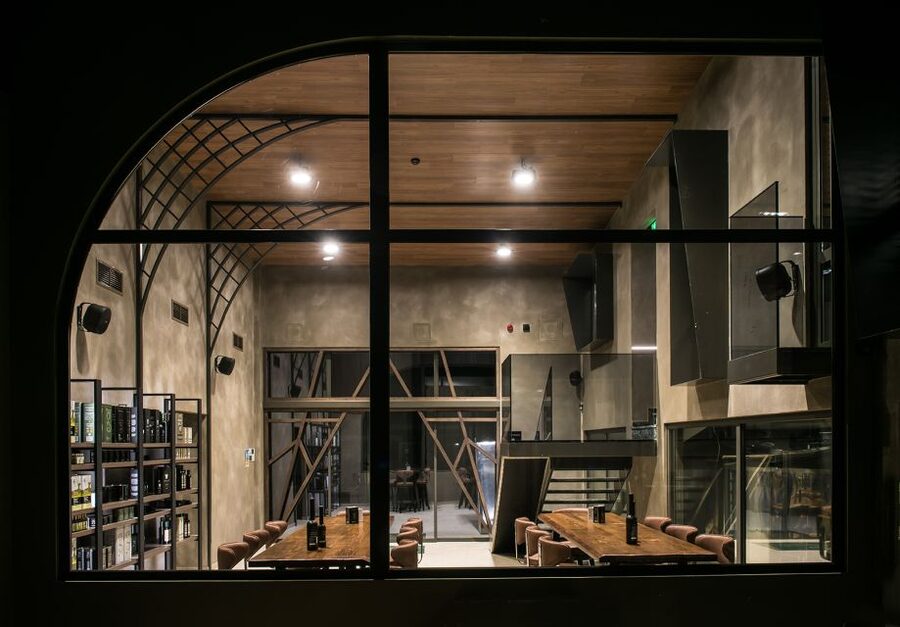
At $88 per person, this is not a budget snack stop. The price makes more sense if you value guided tasting, food pairing, and personal wellbeing feedback rather than just the amount of oil or food served.
You receive four premium samples, one defective sample, palate cleansers, water, and small snacks. You also receive instruction on choosing oil and pairing it with recipes. For someone who wants to understand what they are tasting, that education is the main part of the price.
The value is strongest for food-focused visitors, home cooks, and people who plan to buy Cretan olive oil during their trip. You leave with a way to compare oils, which can prevent you from spending money on a bottle you do not enjoy or do not know how to use.
The value is weaker if you want a farm tour, a large meal, or transportation from your hotel. None of those is included. You must drive to the location, and the available details do not promise a grove walk, mill visit, or cooking demonstration.
A private or small-group format may also justify the cost for some people. You can ask questions and focus on your own preferences more easily than in a crowded tasting. The exact group size is not given, so confirm the format you are booking if that matters to you.
Getting there from Heraklion toward Moires
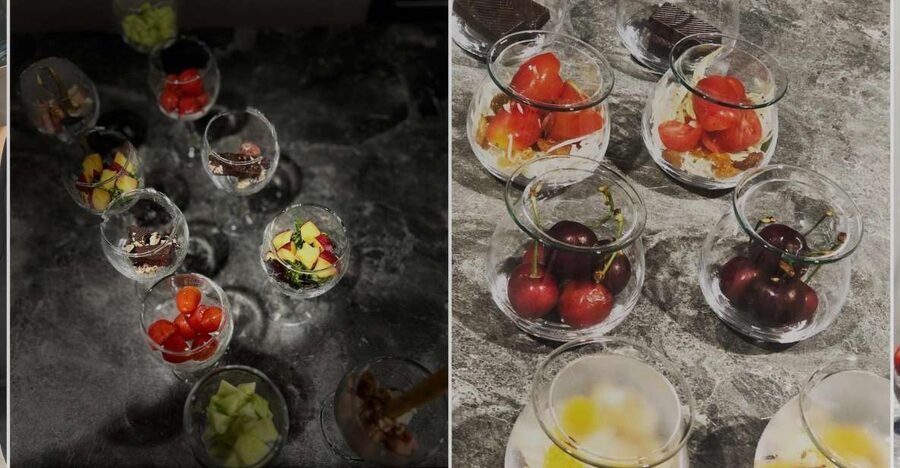
The meeting point is on the road from Heraklion to Moires, and you must arrange your own transport. This is the most important planning detail. The tasting is not presented as a central Heraklion activity with pickup.
If you are staying in Heraklion, allow enough time for the drive and check the exact meeting point before setting out. The supplied information does not give a precise address, driving time, or parking details, so those details should be confirmed at booking.
This location can work well if you already have a rental car and are exploring the area south of Heraklion. It is less convenient if you are relying on buses, taxis, or a hotel transfer. Transportation is specifically not included, so do not assume the host can collect you.
The road setting also affects how you plan the rest of the day. The activity takes 90 minutes, but the total time will be longer once you add driving. Pair it with other plans in the same direction rather than treating it as a quick stop in central Heraklion.
If you intend to taste every sample fully, consider who will drive afterward. The supplied details do not state an alcohol content, and olive oil is not an alcoholic drink, but a careful driver should still plan the route and schedule without rushing.
Who will enjoy this experience most
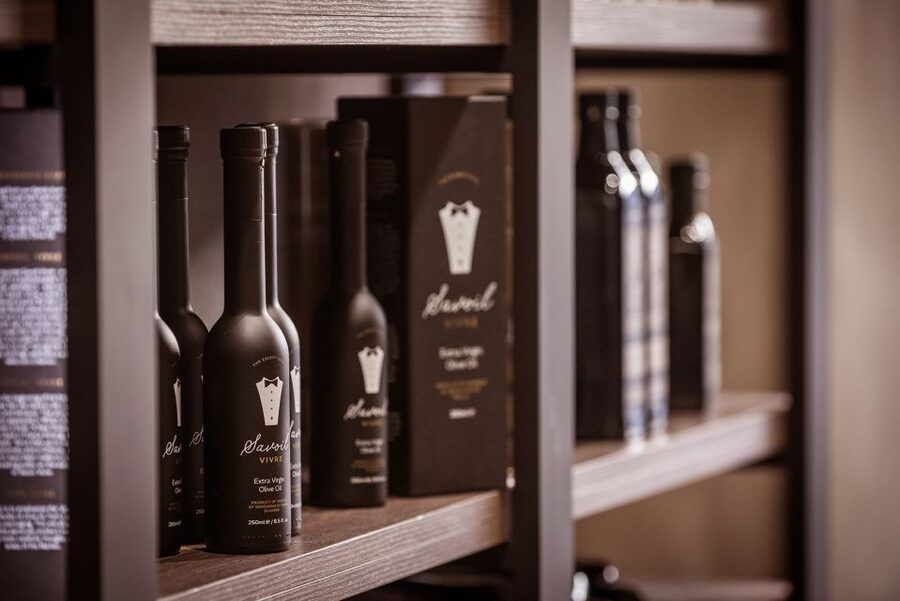
I would recommend this for anyone who wants more than a souvenir bottle. It suits food lovers, home cooks, and curious shoppers who enjoy learning through taste and asking questions.
It is also a good match for visitors who want a calm activity. The French-language feedback describes the session as relaxing, instructive, and entertaining, while the English comments highlight the host’s passion and the usefulness of the pairing lesson. Those qualities suggest a friendly, conversational format rather than a formal classroom.
Couples and small groups may appreciate the private or small-group option. Families could also consider it, though the supplied details do not give a minimum age or say how children are accommodated. Ask before booking if you are traveling with young children.
This is less suitable if you want a full meal, a scenic agricultural tour, or an activity with hotel pickup. It is also not the best choice for someone who has no interest in food details. The session asks you to pay attention to subtle differences, so the experience works best when you are willing to taste slowly and compare.
The activity is wheelchair accessible, which makes it easier to consider for visitors with mobility needs. You should still confirm the exact meeting and parking arrangements, since access details for the road location are not provided.
How to get the most from your visit
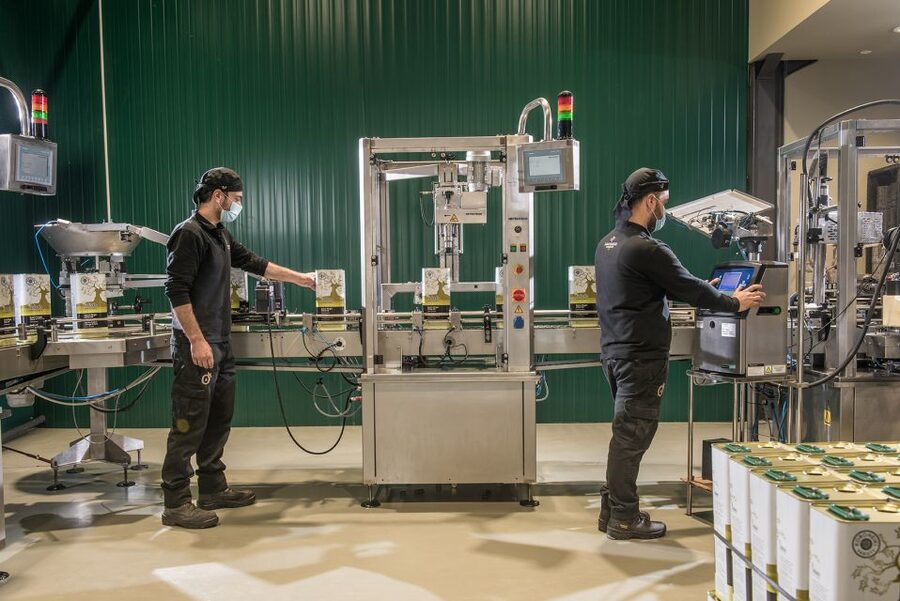
Arrive ready to compare rather than simply approve or reject each oil. Try to notice how each one works with the snack, not just how it tastes by itself. An oil you do not choose for bread may still make sense with another recipe.
Use the palate cleanser between samples. Apple or bread is included for that purpose, and water helps keep your palate fresh. Rushing through the samples would undercut the main reason to book the activity.
Ask direct questions about the oils you like best. You may want to know which type suits everyday cooking, which works well as a finishing oil, and what makes the defective sample different. The activity is designed around food pairing, so these questions fit naturally into the session.
Take the wellbeing feedback as a starting point. Write down the suggestions you find useful, then decide which ones fit your normal routine. Practical changes are more valuable than trying to follow every piece of advice at once.
If you are choosing between a private session and a small group, think about your style. A private format should give you more room to focus on your food preferences, while a small group may offer a more social setting. The available information confirms both options but does not describe the exact difference in price or format.
A strong score, with a clear type of appeal
The experience has a perfect 5 out of 5 rating from four verified bookings. The praise centers on the same points: the host is kind and passionate, the session is educational without being dull, and the oil pairings are fresh and interesting.
That pattern gives you a useful picture of the activity. Its strength is not spectacle. It is the combination of a friendly host, clear tasting guidance, practical pairing advice, and a test that connects olive oil with daily wellbeing.
The number of ratings is small, so I would not treat the score as proof that every visitor will feel the same way. Still, the comments are consistent, including feedback in French, German, and English. One German-language comment highlights the care given to explaining critical olive oil, while the English feedback stresses better buying choices after the session.
Should you book the olive oil pairing?
Book it if you want to understand Cretan olive oil instead of simply tasting it. The defective sample, food pairings, and lifestyle test give the 90-minute session more substance than a basic product sampling.
Skip it if you need transportation, a full meal, or a farm-and-mill tour. The $88 price is fair for guided education and tasting, but less appealing if you only want a few samples.
For the right visitor, this is a relaxed and useful stop on the road from Heraklion to Moires. Bring a car, leave room in your schedule, and approach it as a lesson in choosing and using olive oil. You may return home with a bottle, but the better souvenir is knowing why you chose it.
FAQ
Where is the olive oil tasting held?
It is held at a location on the road from Heraklion to Moires. You must drive there, and transportation is not included.
How long does the experience last?
The activity lasts 1.5 hours.
What is included in the tasting?
You receive four premium olive oil samples, one defective sample, apple or bread to cleanse your palate, bottled water, and a selection of small snacks for food pairing.
Is the activity available in English?
Yes. The instructor languages are English and Greek.
Can I cancel the booking?
You can cancel up to 24 hours in advance for a full refund.
Is the tasting wheelchair accessible?
Yes, the activity is listed as wheelchair accessible.
More Food Tasting Tours in Crete
- Heraklion: Food Tastings Walking Tour
★ 5.0 · 136 reviews - Rethymno Old Town: A Traditional Cretan Food Tour
★ 4.9 · 103 reviews - Chania Food Stories Half-Day Tour inc. tastings & drinks
★ 5.0 · 92 reviews - Sunset Craft Beer & Food Tour – Chania Old Port
★ 5.0 · 86 reviews
Newest Crete write-ups
- Heraklion – Walking city tour with food tasting★ 4.5 · 25 reviews
- Private Full-Day Elafonisi★ 5.0 · 4 reviews
- Mirabello Luxuries with Spinalonga & Agios Nikolaos from Iraklion★ 4.5 · 7 reviews
- Cretan Flavors – Cooking Lessons and Wine Olive Oil Tasting★ 5.0 · 9 reviews
- Private Trekking Rouvas Gorge★ 4.5 · 4 reviews
- Ecobike All inclusive – 2 Day tour – Discover the real Crete★ 5.0 · 4 reviews
- Truffle Hunting, Culinary & Wine Celebration from Heraklion★ 5.0 · 6 reviews
- Secrets of West Crete & Rethymno Town Private Tour from Heraklion★ 5.0 · 9 reviews
Crete Olive Oil Tours, compared.


Zeus Cave -Old Traditional Villages-Olive Oil Factory
Read our review →


Zeus Cave, Lassithi Plateau, Olive Oil Factory, Kritza, Pottery
Read our review →

Knossos, Lasithi, Lasinthos and Olive Farm Combo Tour
Read our review →
Browse the lists this tour appears in