
Reviewed · CRETAN COOKING CLASSES
Chrysoula’s Traditional Cretan Home Cooking
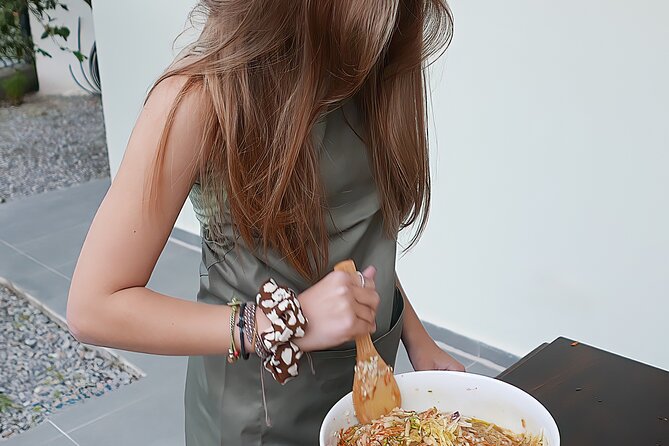
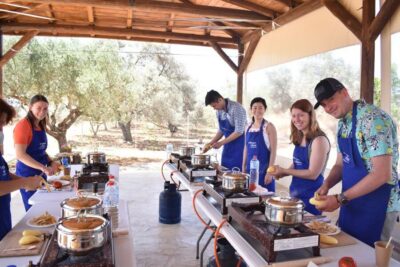
The best part of Chrysoula’s Traditional Cretan Home Cooking is that it feels like a visit to a Cretan family kitchen, not a polished restaurant class. You help prepare a full meal at Chrysoula’s home near Arkadi, then sit down to eat it together, with laughter, stories, and the occasional glass of raki.
I like the hands-on cooking, since you are not simply watching a chef work. I also like the local focus: olive oil, herbs, vegetables, bread, and cheese may come from the property or Chrysoula’s family farm nearby. The main consideration is the location and format. This is a shared group experience, not a private, quiet lesson, and the meeting point in Arkadi may require careful planning.
Key points to know before booking
- A three-and-a-half-hour home meal: You cook and eat a full Cretan menu rather than making one quick dish.
- Chrysoula and Dee lead the class: Their humor, warmth, and teamwork help solo visitors and mixed groups settle in quickly.
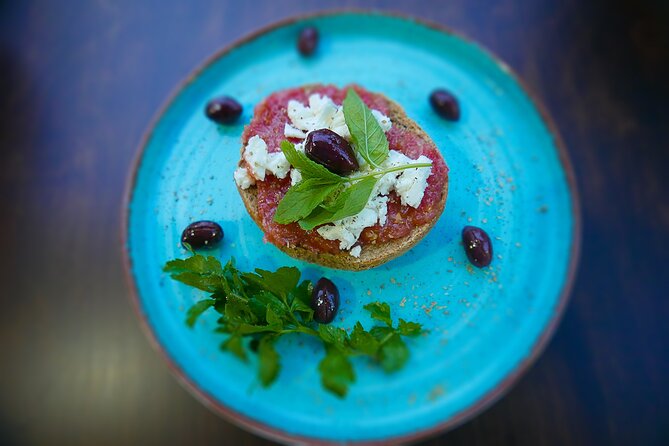
- The menu includes Cretan favorites: Prepare dakos, moussaka, stuffed vegetables, and homemade ice cream.
- A small group capped at 12: You should have a real task in the kitchen, though the atmosphere can be lively.
- Local ingredients add meaning: Produce, herbs, olive oil, bread, and cheese may come from the home or family farm.
- Plan for a generous meal: The food is plentiful, and raki is part of the social welcome for many people.
A Cretan kitchen rather than a standard cooking school
Chrysoula’s class begins at 10:00 a.m. at a home in Arkadi, Greece, and lasts about three hours and 30 minutes. That timing matters. You are preparing lunch, not racing through an evening demonstration after a day of sightseeing.
The setting is part of the experience. The home includes a garden or backyard, with views toward nearby olive groves. You are not learning Cretan food in a hotel conference room. You are working in the sort of domestic setting where recipes are linked to family, farming, and habit.
Chrysoula leads the cooking with help from Dee. The pair has a relaxed, teasing style that helps break the ice. If you arrive alone, you should expect to work alongside couples, friends, and people from different countries. That can be a real benefit if you enjoy social meals. It can also feel noisy if you prefer a quiet, highly structured class.
The group limit is 12 people. That is small enough for a personal feel, but large enough to create the cheerful disorder of a family lunch. You may not have a long one-on-one lesson with Chrysoula, yet you should have a useful role in preparing the meal.
More Cretan cooking classes in Crete:
- Chania: Authentic Cooking Class in the White Mountains
★ 4.9 · 529 reviews - The Real Cretan Cooking Experience
★ 5.0 · 528 reviews - Chania Cooking Class-The Authentic Enjoy traditional Cretan meal
★ 5.0 · 339 reviews
What you actually cook at 10:00 a.m.
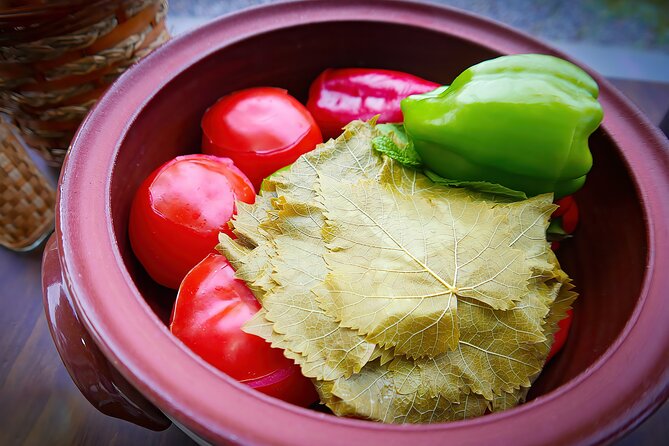
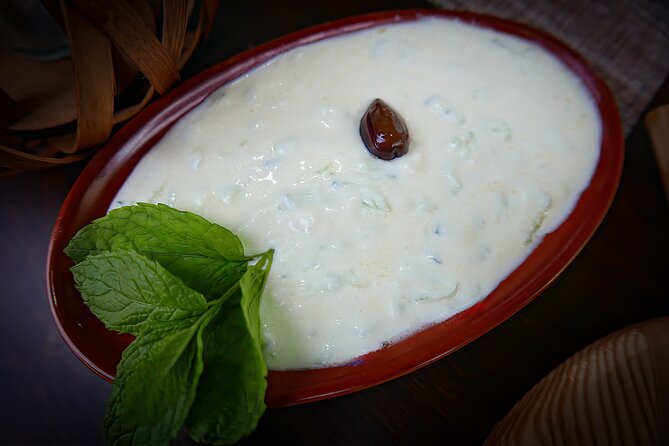
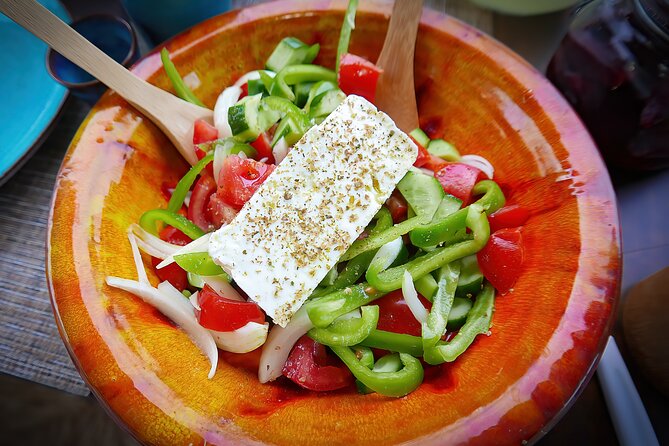
The listed menu gives you a good idea of the class: dakos, moussaka, stuffed vegetables, and homemade ice cream. You may also prepare related items depending on the day, as past menus have included foods such as tzatziki, fresh salad, stuffed grape leaves, squash blossoms, and a traditional Greek pastry.
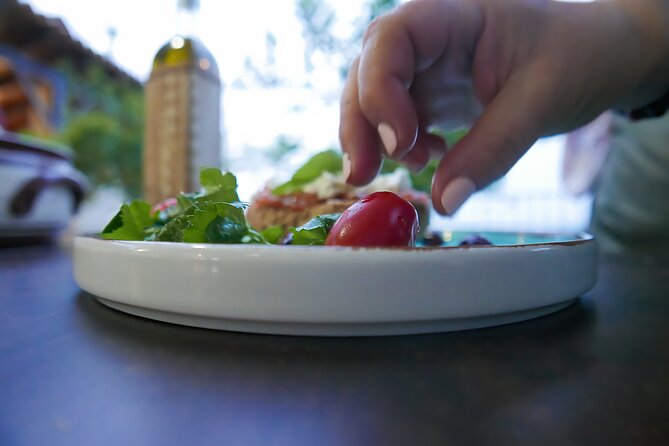
Dakos is a fine introduction to Cretan food. It is built around a crisp barley rusk, usually softened with tomato and finished with ingredients such as cheese, herbs, and olive oil. The dish looks simple, but it shows how Cretan cooking gets strong flavor from good produce and careful use of local staples.
Moussaka gives the class a more involved main course. You can expect layers and several preparation jobs, rather than a single pot that comes together in minutes. The process helps you understand why this familiar Greek dish takes time and why the final meal feels substantial.
Stuffed vegetables bring another side of home cooking to the table. The work is practical and shared. One person may prepare vegetables, another may handle filling, and others may move between chopping, mixing, and seasoning. This is where the class feels most like a household meal being organized by several people at once.
Dessert is homemade ice cream. It is a cheerful finish to a menu that already includes filling main dishes. Since the exact flavor is not specified, you should treat the dessert as part of the day’s home-style surprise rather than expect a particular variety.
The class is meant to be hands-on. Chrysoula gives directions, explains the dishes, and checks that ingredients are prepared correctly. You should not need to memorize every quantity. Recipes are sent after the class, which is especially helpful for cooking methods described with generous pours of olive oil or the kind of flexible measuring common in family kitchens.
The value of ingredients from home and farm
One of the strongest reasons to choose this class is the connection between the food and its source. Ingredients used in the cooking may come from Chrysoula’s property or a nearby family farm. That can include olive oil, herbs, vegetables, bread, and cheese.
This does not mean every ingredient is guaranteed to come from the garden or farm on every date. It does mean the class gives you a clearer sense of how Cretan cooking depends on local staples. You taste the food after helping prepare it, and you learn why olive oil, seasonal vegetables, herbs, and bread matter so much in the Cretan kitchen.
I especially like this kind of food lesson because the recipes are practical. You are not just collecting a restaurant recipe with difficult ingredients. The class connects dishes to the products that are common in the region, making it more likely that you can adapt the ideas at home.
The local setting also makes the meal more memorable than a standard cooking studio. Olive groves and a home garden provide a visual reminder that Cretan cooking is tied to agriculture. For a visitor interested in food culture, that connection is worth more than a long list of technical chef tricks.
Why the atmosphere matters as much as the recipes
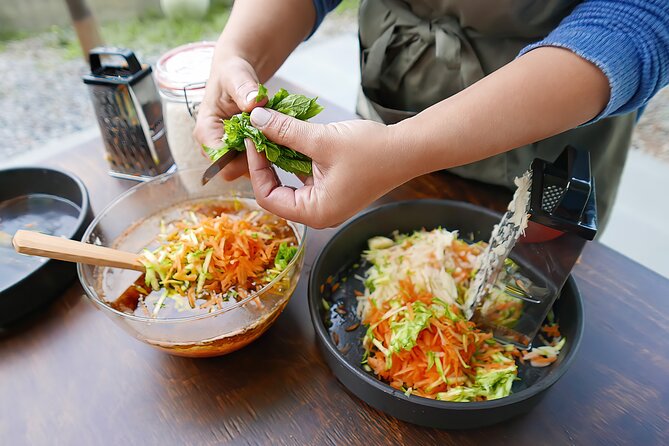
Chrysoula’s approach is warm and personal. From the start, the tone is informal, with hugs, jokes, and encouragement. Dee works alongside her, and the two create an easy rhythm that helps people take part even if they are not confident cooks.
You should expect conversation while you work. The class is not designed around silence or strict professional technique. There may be teasing, laughter, shared tasks, and a bit of friendly confusion as everyone helps bring lunch together.
That social side is a major strength for solo visitors. You can arrive without a companion and still have a natural way to meet people. By the end, you will have worked with the group, eaten the same meal, and shared the small victories and mistakes that make a cooking class enjoyable.
It also works well for families and groups marking an occasion. A family used the class to celebrate a 60th birthday and received a homemade birthday cake as a personal surprise. That cake is not a promised part of every booking, so do not book expecting it, but the story shows how Chrysoula may add a personal touch when she knows the reason for your visit.
The open, family-style mood may not suit everyone. If you want a technical lesson focused on knife skills, exact measurements, or restaurant presentation, this may feel loose. If you want to understand how food fits into everyday Cretan hospitality, the informality is the point.
Same island, a completely different kind of day:
- From Kissamos Port: Boat Cruise to Balos Lagoon & Gramvousa
★ 4.2 · 6,755 reviews - Crete: Day Trip to Agios Nikolaos and Spinalonga Island
★ 4.6 · 4,416 reviews - From Chania: Full-Day Samaria Gorge Trek Excursion & Guide
★ 4.6 · 3,191 reviews - Agios Nikolaos: Boat Trip to Spinalonga with Swim Stop
★ 4.4 · 3,031 reviews
Eating the meal you helped prepare
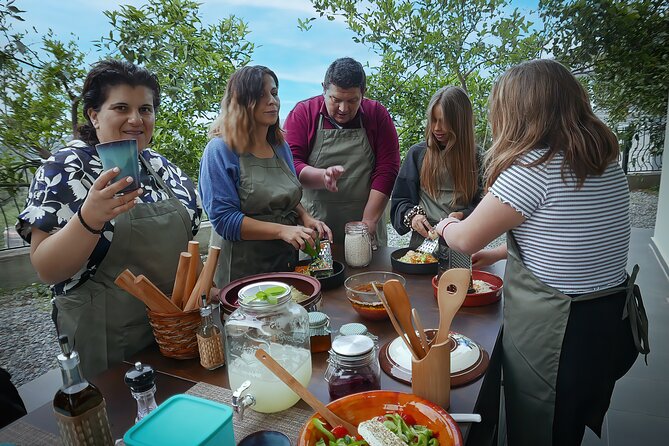
The meal is not an afterthought. Once the cooking is finished, you sit down and eat the dishes together. This gives the class a clear payoff: you see how separate jobs become a full Cretan meal.
Come hungry. The portions are generous, and the menu includes more than one substantial dish. Past menus have included moussaka, stuffed vegetables, salads, tzatziki, grape leaves, squash blossoms, and dessert, so the amount of food can be considerable.
Raki may also be offered. In Crete, it is often part of a welcome or a shared meal, and here it adds to the sense of a family gathering. You are not required to drink it, and the sensible approach is to go slowly, especially when the meal is already large.
The meal also gives you time to talk with the people around you. That is important because the experience is not only about taking home recipes. It is about seeing how food, humor, and hospitality work together in a Cretan home.
Dietary needs should be shared when you book. The class has accommodated vegetarian diners by preparing a separate dish without meat, and other food concerns have been handled when noted in advance. The available information does not promise every type of dietary accommodation, so contact the operator before booking if your needs are strict or medically necessary.
Price, group size, and practical value
The listed price is $113.84 per person. That is more than a simple market snack or a short demonstration, but you are paying for about three and a half hours, instruction, a full meal, local food, and a hosted social experience.
The value is strongest if you care about the setting and the personal welcome. You are not just learning how to assemble dakos. You are spending time in a Cretan home, preparing several dishes, eating lunch, and receiving recipes to use later.
A group of up to 12 keeps the price from being that of a private chef lesson. You should receive more personal attention than in a large tour group, though the class may still feel active and communal. Couples and families can work together, while solo participants can join the wider group without needing to organize a private booking.
The experience is usually booked about 10 days ahead. That is a useful planning clue, especially if your time in Crete is limited. I would reserve before arriving rather than assume you can find a spot at the last minute.
The activity is offered in English. It includes a mobile ticket, and the meeting point is listed in Arkadi as 8G769H27+JHJ9H27+JHJ. The activity ends back at the same meeting point. Since the address is not a familiar central landmark, check your route carefully before the morning of the class.
Public transportation is nearby, according to the practical information provided. No pickup service is listed, so do not assume transportation from your hotel is included. You should confirm how you will reach Arkadi and allow time to arrive for the 10:00 a.m. start.
Who will enjoy this class most
I would choose this experience if you want food tied to people and place. It suits anyone who likes cooking, shared meals, local ingredients, and informal conversation.
It is especially good for:
- Solo visitors who want an easy social activity.
- Couples and families looking for a shared memory.
- People celebrating a birthday or another special event.
- Cooks who want recipes they can recreate at home.
- First-time visitors who want an introduction to Cretan food and hospitality.
- Vegetarians who notify the host ahead of time.
You may want a different type of class if your main goal is professional culinary training. The emphasis is on home cooking, participation, humor, and a generous meal, not on formal certification or advanced technique.
Most people can participate, and service animals are allowed. The information does not list a detailed accessibility assessment, so contact the operator directly if you need specific information about the home, kitchen, seating, or surfaces.
Cancellation and weather details
You can cancel free of charge up to 24 hours before the local start time for a full refund. Cancellations or changes made less than 24 hours before the experience are not refunded or accepted.
The class requires good weather and a minimum number of participants. If poor weather or low enrollment causes cancellation, you will be offered another date or experience, or a full refund.
Should you book Chrysoula’s Cretan cooking class?
Book it if you want a warm home visit with real cooking, not just a demonstration. The combination of local ingredients, a full meal, recipes afterward, and a small group gives the $113.84 price solid value for food-focused visitors.
I would be most cautious about the booking if you dislike lively group settings or need a tightly timed, technical lesson. For everyone else, especially solo visitors, families, and anyone curious about Cretan hospitality, the shared meal in Arkadi is a strong use of half a day.
FAQ
Where does Chrysoula’s Traditional Cretan Home Cooking take place?
The experience takes place at a home in Arkadi, Greece. The listed meeting point is 8G769H27+JHJ9H27+JHJ Arkadi, Greece.
What time does the cooking class start?
The start time is 10:00 a.m.
How long does the experience last?
The activity lasts approximately three hours and 30 minutes.
What food will I prepare?
The sample menu includes dakos, moussaka, stuffed vegetables, and homemade ice cream.
Is the meal included in the cooking experience?
The format includes preparing and eating the food together at the home. The class is designed around a full shared meal.
Is the class offered in English?
Yes. The experience is offered in English.
How many people can join the class?
The maximum group size is 12 participants.
Can I cancel for a full refund?
Yes. You can cancel at least 24 hours before the local start time for a full refund. Cancellations made less than 24 hours before the start are not refunded.
What happens if bad weather cancels the class?
If poor weather causes a cancellation, you will be offered a different date or experience, or a full refund.
Newest Crete write-ups
- Heraklion – Walking city tour with food tasting★ 4.5 · 25 reviews
- Private Full-Day Elafonisi★ 5.0 · 4 reviews
- Mirabello Luxuries with Spinalonga & Agios Nikolaos from Iraklion★ 4.5 · 7 reviews
- Cretan Flavors – Cooking Lessons and Wine Olive Oil Tasting★ 5.0 · 9 reviews
- Private Trekking Rouvas Gorge★ 4.5 · 4 reviews
- Ecobike All inclusive – 2 Day tour – Discover the real Crete★ 5.0 · 4 reviews
- Truffle Hunting, Culinary & Wine Celebration from Heraklion★ 5.0 · 6 reviews
- Secrets of West Crete & Rethymno Town Private Tour from Heraklion★ 5.0 · 9 reviews
Cretan Cooking Classes, compared.
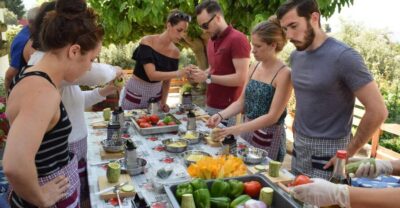
Authentic Cooking Class in the White Mountains
Read our review →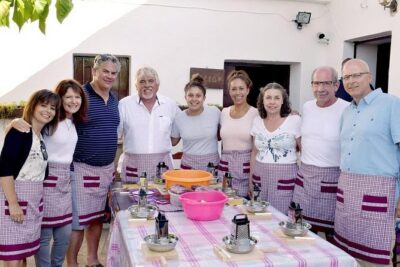
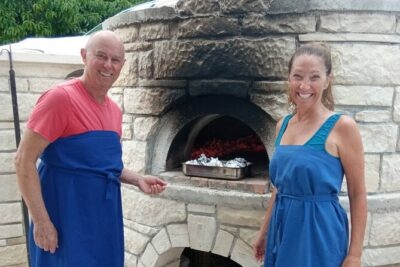
Chania Cooking Class-The Authentic Enjoy traditional Cretan meal
Read our review →
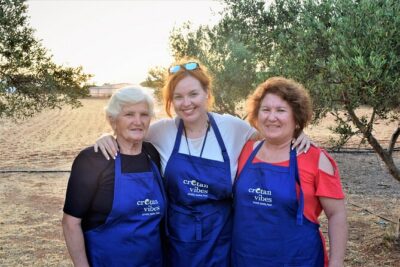
Moires: Cooking Class and Olive Oil Tasting at a Family Farm
Read our review →
Sightseeing Day Trip with Cooking Lesson and Lunch
Read our review →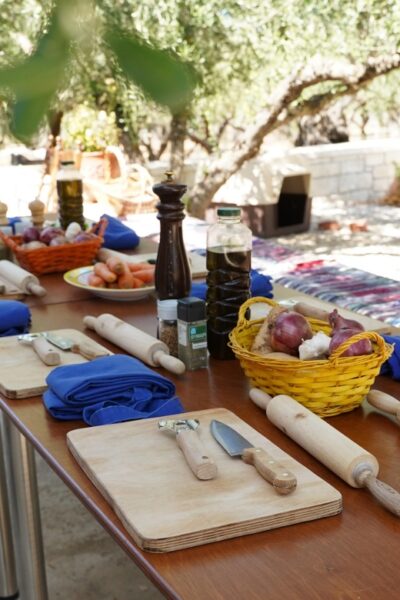
Browse the lists this tour appears in