
Reviewed · CRETE SCUBA DIVING
Research diving with a Marine Biologist in Crete
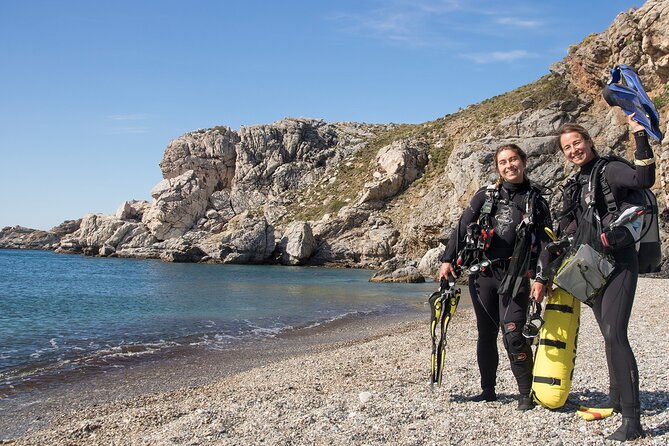
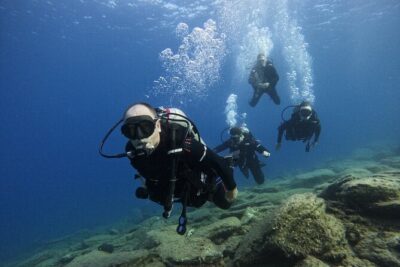
The unusual part of this Crete outing comes after you leave the water. Along with two scuba sessions, you collect samples and bring them back to an open-air marine lab, where microscopes reveal the small life you might otherwise miss. You are not just looking at the sea. You are helping record it.
I like the tiny group of up to four divers, which lets the marine biologist shape the day around your training and interests. I also like the practical work: briefings, underwater notes, sediment samples, species recognition, and microscope work give the day real purpose.
The main drawback is simple: this is for certified scuba divers only, and you need enough fitness to handle a full day with two sessions. Lunch at a beach taverna is separate, as are underwater photographs if you want them.
Key points to know before booking
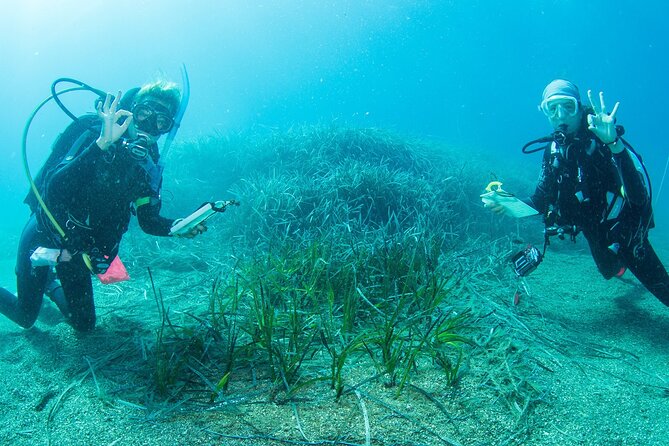
- Two scuba sessions: The day is built around two underwater outings, adjusted to your experience and interests.
- A working marine biology day: You collect useful data and may study sediment, seagrass, or other samples back at the field station.
- Small private group: Only your own group takes part, with a maximum of four divers.
- Souda Beach and Plakias: These are the two named locations in the day’s route, giving you more than one setting to study.
- Open-air microscope session: The work continues after the sea portion, with specialist equipment at the marine station.
- Certified divers only: You must be healthy, fit for scuba, and already certified.
Why this Crete program feels different from a standard boat outing
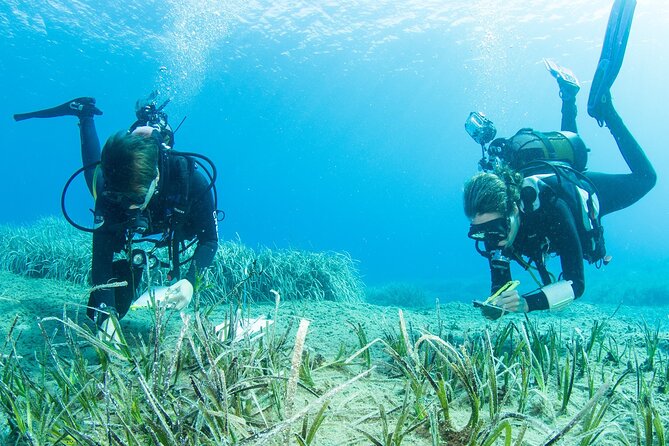
Many recreational scuba programs focus on getting you into the water, showing you a few sights, and bringing you back. This one gives you a question to investigate. What lives in the sediment? Which species share a seagrass habitat? What can careful observation tell us about the Mediterranean?
That change in focus matters. You still get time underwater, but the activity connects what you see with basic research methods. You may take notes, identify species, collect samples, and compare what you found with other members of the group. The goal is not to turn you into a professional scientist in one day. It is to help you look more closely and understand how marine information is gathered.
The program is led by an in-house marine biologist rather than a standard recreational guide alone. The wider marine biology team associated with the school includes Vanessa, Martina, Marie-Clarie, Kirsten, and Katy. The available information does not assign one specific guide to every booking, so ask who will lead your particular date if that matters to you.
I especially like the citizen science angle. Your observations and samples contribute to projects designed to educate people and support protection of the marine environment. That gives the day more weight than a simple sightseeing session, though you should still expect a relaxed, approachable activity rather than a university-level research course.
More dive trips off Crete:
- Heraklion: Scuba Diving Experience for Beginners _Beach
★ 4.7 · 549 reviews - Heraklion: Beginner Scuba Diving Lesson with PADI Instructor
★ 4.9 · 355 reviews - Heraklion: Scuba Diving Experience for First-Timers
★ 4.8 · 203 reviews
Starting at the Plakias marine station at 8:30 a.m.
You meet at Dive2gether Crete, a PADI school and marine field station on Eleftheriou Venizelou in Myrthianos, Plakias. The start time is 8:30 a.m., so plan to arrive ready for a full day rather than treating this as a casual afternoon activity.
The day begins with preparation and a briefing. Your guide explains the selected habitat, the species you might encounter, and the methods you will use underwater. The program can be tailored to your certification level, past experience, and interests, which is useful if your group contains divers with different amounts of practice.
Bring your attention as well as your certification card. You are not simply waiting for the guide to point out a fish. The briefing prepares you to recognize details and record them. Underwater notes and identification games have been part of similar sessions at the school, so expect observation to be part of the work.
The school provides scuba equipment, bottled water, specialist marine biology equipment, and microscopes. That keeps the packing list fairly simple. Lunch is not included, and the group commonly eats together at a beach taverna, with each person paying separately.
Souda Beach: a practical first study site
Souda Beach is the first named stop. The available details do not specify the exact habitat or research subject scheduled for your date, so your marine biologist will determine what to study there based on conditions, group interests, and the day’s plan.
That flexibility is a strength. A marine environment is not a museum display, and the most useful subject can change with the site and conditions. You might be asked to focus on visible species, take underwater notes, examine a particular habitat, or gather material for later study.
The beach setting also suggests a shore-based format for at least part of the day, although the exact entry arrangements are not stated. Shore access can make a marine biology session feel less rushed because the group is not tied to a boat schedule. On the other hand, carrying equipment from shore and getting ready on land can require more physical effort than stepping off a boat.
You should be comfortable with normal scuba preparation and able to manage a day that includes two water sessions. The operator asks for a moderate fitness level and says you must be healthy and fit for scuba. That is worth taking seriously, especially if you have not been underwater recently.
Plakias: the second setting and the return to the lab
Plakias is both your base and the second named stop. The day returns to the Dive2gether center, where the marine station and open-air lab give the program its strongest educational element.
The point of visiting two sites is not simply to collect more scenery. Different habitats can support different plants and animals, and comparing locations helps you notice how marine life is distributed. The program lets you choose an underwater biome with your group, so your focus might involve seagrass, sediment, or another habitat selected with the guide.
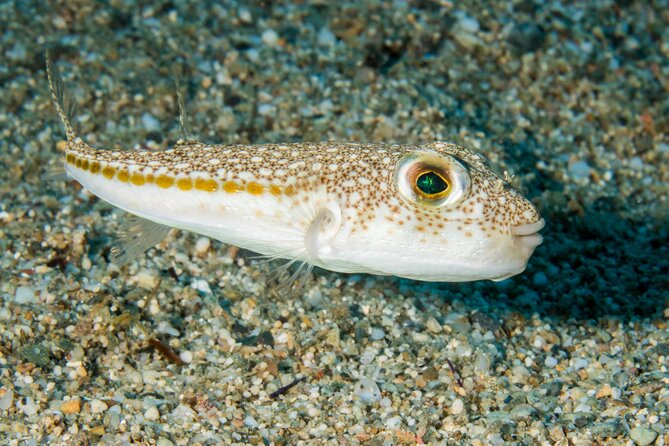
A seagrass research session described by the operator included a relaxed approach to beach-based scuba, followed by lab work on the microscopic ecosystem living among the seagrass. That example gives you a good sense of the scale of the activity. The big creatures are only part of the story. Much of the useful work happens in the small organisms and particles that are easy to overlook.
The exact order and content can change, but you should expect the two named areas to support the day’s broader comparison. Your guide will explain what to look for and how to handle any samples. Do not assume that every booking includes the same species, habitat, or research task.
Same island, a completely different kind of day:
- From Kissamos Port: Boat Cruise to Balos Lagoon & Gramvousa
★ 4.2 · 6,755 reviews - Crete: Day Trip to Agios Nikolaos and Spinalonga Island
★ 4.6 · 4,416 reviews - From Chania: Full-Day Samaria Gorge Trek Excursion & Guide
★ 4.6 · 3,191 reviews - Agios Nikolaos: Boat Trip to Spinalonga with Swim Stop
★ 4.4 · 3,031 reviews
What happens during the two underwater sessions
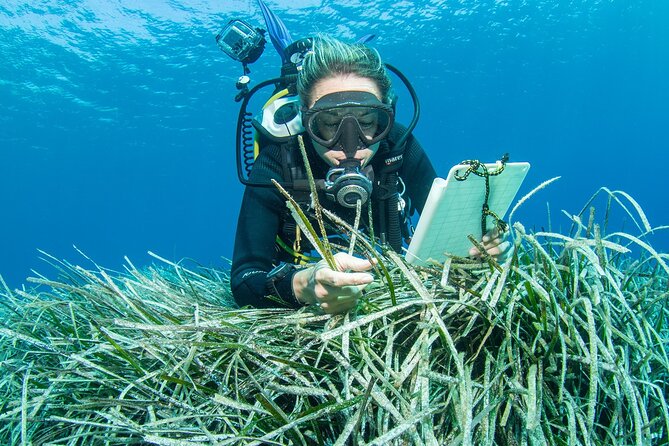
The program includes two scuba sessions for certified divers. Before entering the water, your marine biologist explains the site, the research method, and the species or habitat you will study.
Your level matters here. The day is tailored to your training and experience, so an advanced diver and a newer certified diver should not automatically receive the same task. That does not mean the program is a skills course. It means the guide can match the pace and work to the group.
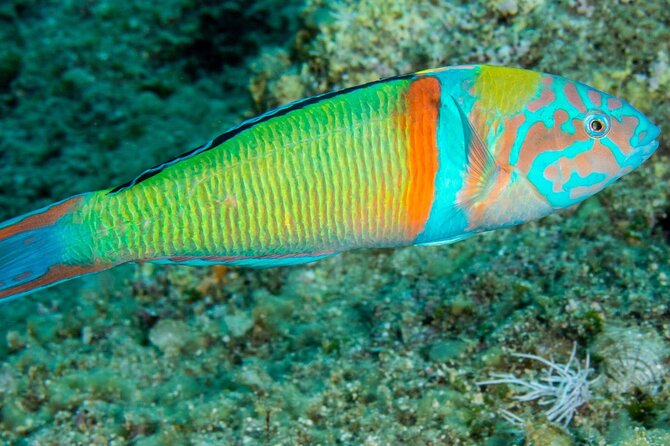
Underwater observation may include taking notes and playing a recognition game based on the species you see. If you have ever surfaced and realized you remember only a blur of fish and rocks, this structure helps. You have a reason to slow down and pay attention.
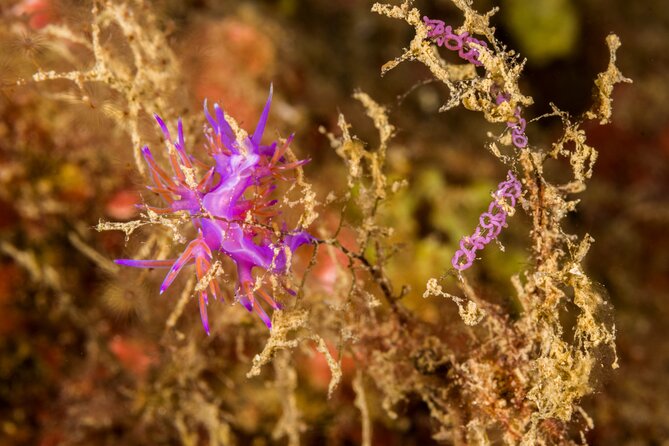
The program can also include sediment sampling. Afterward, you examine what you collected in the field lab. This is a useful reminder that marine research is not only about spotting large animals. A scoop of sediment can contain a whole small community, and the microscope lets you see details that are impossible to identify from a normal scuba mask.
The sessions are educational, but they are not described as a formal scientific qualification. Think of them as guided fieldwork for curious certified divers. You will receive instruction, use specialist tools, and contribute observations, but the day remains accessible and practical.
The microscope session is the best part for curious minds
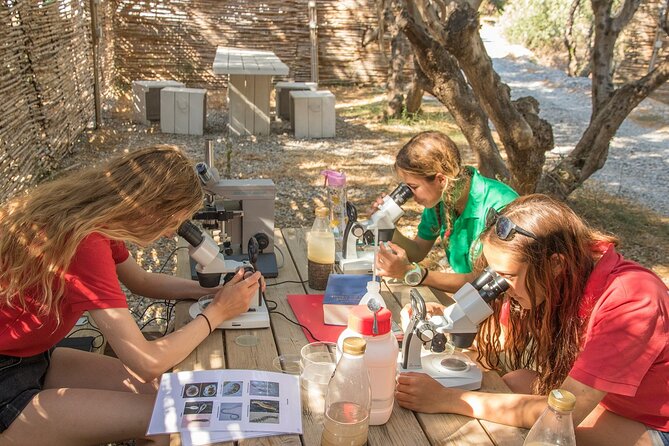
Back at the station, you debrief the underwater work and discuss what you saw and learned. Then you examine samples under microscopes in the open-air marine biology lab.
This is where the day connects the underwater view with the hidden world beneath it. Seagrass, sand, and sediment can look simple from above, yet magnification may reveal organisms and structures that explain how the habitat functions.
I like that the session does not end when you remove your equipment. The debrief gives you time to sort out what you observed, compare notes, and ask questions while the details are still fresh. It also gives the guide a chance to explain how your contributions fit into wider marine biology projects.
Families with certified adult children have used the program together, and the format can work well for a small group with a shared interest. It also suits university groups and divers who want more than a recreational site tour. If your ideal day is simply a long, uninterrupted swim with minimal instruction, this may feel too structured.
How much value do you get for $308.58?
At $308.58 per person, this is not a budget scuba outing. The price needs to be judged against what is included: a full day, two scuba sessions, a trained marine biologist, scuba equipment, specialist research gear, bottled water, and use of the microscopes at the field station.
You are also paying for the small private format. With no more than four divers, the guide can adjust the work to your group rather than delivering a one-size-fits-all talk to a large class. That makes the price easier to justify for people who value personal instruction and fieldwork.
Lunch is extra, even though the group enjoys eating together at a beach taverna. Underwater photographs are also separate, priced at 19 euros. The guide takes the photographs, so you can decide after the day whether the images are worth adding to your cost.
The value is strongest if you want to learn. A standard recreational session may be cheaper, but it will not necessarily include sample collection, species recognition, underwater note-taking, or microscope work. If you are booking mainly for dramatic scenery or a long time in the water, compare the price with ordinary scuba options in Plakias before deciding.
Who should book this day
I would choose this program if you meet four basic conditions:
- You already hold a scuba certification.
- You are healthy and fit for scuba.
- You enjoy asking what you are looking at, not just looking at it.
- You can give the full day to two underwater sessions and lab work.
It is particularly well suited to certified divers interested in marine conservation, ecology, seagrass, sediment, and Mediterranean species. It can also suit a small family group, a university group, or friends with similar experience.
You should think twice if you are not currently certified, have health concerns related to scuba, or want a light sightseeing activity. The program is not designed for beginners who have never completed certification. It also asks for more concentration than a standard fun outing.
The private format is useful, but it does not remove the physical demands of the day. You still need to handle scuba equipment and take part in two sessions. Ask the provider for current site details if you need to know exactly how the water entries will work.
Practical details that affect your day
The activity begins at 8:30 a.m. at Dive2gether Crete in Plakias and ends back at the same meeting point. The confirmation arrives at booking, and the activity is offered in English.
You receive free cancellation if you cancel at least 24 hours before the local start time. Changes or cancellations inside that window are not accepted for a refund, so check your plans before the final day.
Only your group participates, with a maximum of four divers. That is one of the most useful details for people who prefer direct contact with the guide. The exact marine biology focus is chosen with the group, so ask about the planned habitat when you book if you have a particular interest.
Should you book this Crete marine biology day?
Book it if you want your time underwater to have a purpose. The combination of two scuba sessions, a small group, sample collection, marine notes, and microscope work gives you a much clearer understanding of the Mediterranean than a simple look around the seabed.
I would not book it just because you want the cheapest available scuba outing. The price is high, lunch costs extra, and you need certification, fitness, and a full day. But for a certified diver who is curious about how marine research works, the field station and citizen science element make the cost easier to defend.
This is a good choice for slowing down and paying attention. You may leave remembering not only a fish or a patch of seagrass, but also the small organisms, sediment, and careful observations that make the whole habitat work.
FAQ
Is this activity suitable for beginners?
No. You must be a certified scuba diver to take part.
How many scuba sessions are included?
The program includes two scuba sessions during the day.
Where does the activity start and finish?
It starts at Dive2gether Crete, a PADI school and marine field station on Eleftheriou Venizelou in Myrthianos, Plakias. It ends back at the same meeting point.
What time does the day begin?
The scheduled start time is 8:30 a.m.
Are scuba equipment and marine biology tools provided?
Yes. Scuba equipment, specialist marine biology equipment, bottled water, and use of microscopes in the open-air marine biology lab are included.
Is lunch included?
No. The group may eat together at a beach taverna, but lunch must be paid for separately.
Can I cancel for a full refund?
Yes, if you cancel at least 24 hours before the local start time. Cancellations or changes made less than 24 hours before the activity are not refunded.
Newest Crete write-ups
- Heraklion – Walking city tour with food tasting★ 4.5 · 25 reviews
- Private Full-Day Elafonisi★ 5.0 · 4 reviews
- Mirabello Luxuries with Spinalonga & Agios Nikolaos from Iraklion★ 4.5 · 7 reviews
- Cretan Flavors – Cooking Lessons and Wine Olive Oil Tasting★ 5.0 · 9 reviews
- Private Trekking Rouvas Gorge★ 4.5 · 4 reviews
- Ecobike All inclusive – 2 Day tour – Discover the real Crete★ 5.0 · 4 reviews
- Truffle Hunting, Culinary & Wine Celebration from Heraklion★ 5.0 · 6 reviews
- Secrets of West Crete & Rethymno Town Private Tour from Heraklion★ 5.0 · 9 reviews
Crete Scuba Diving, compared.
Beginner Scuba Diving Lesson with PADI Instructor
Read our review →
Chania: Snorkeling & Scuba Dive for Beginners by Boat
Read our review →
Browse the lists this tour appears in