
Reviewed · HISTORICAL TOURS
From Chania: Crete World War II History Tour
Crete’s World War II story comes into sharp focus on this small-group tour from Chania. You look down over Maleme airfield, trace the fighting around Tavronitis and Galatas, and hear how local people, partisans, and Allied troops faced the German invasion. The private collection of battlefield artifacts is an especially memorable stop, since it brings the story down from military maps to objects found on the island.
I like the way the tour connects the Battle of Crete to the wider war, beginning with the Greek-Italian War and Operation Mercury rather than treating May 1941 as an isolated event. I also like the human scale: guides such as Yannis, Babis, and Babis’s fellow guides use maps, old photographs, local stories, and family memories to explain what happened.
The main drawback is the limited break schedule. The day is advertised as six hours, though some outings run closer to six and a half, and one comfort stop may not feel like enough. A snack and water are supplied, but you should not expect a full restaurant lunch unless the group arranges an extra stop.
Key points to know before you book
- Maleme from above: See the airfield area where German paratroopers first landed and learn why this patch of western Crete mattered so much.
- Battlefield geography: Tavronitis Bridge, Galatas, and Hill 107 make troop movements easier to understand than a classroom lecture ever could.
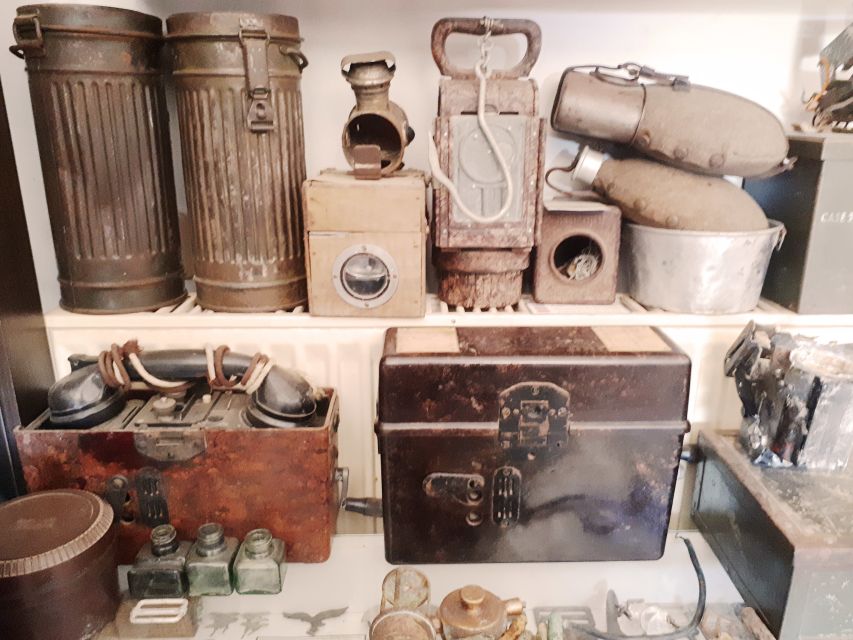
- Personal war artifacts: A visit to a private collector adds unusual objects, local stories, maps, and relics found around Crete.
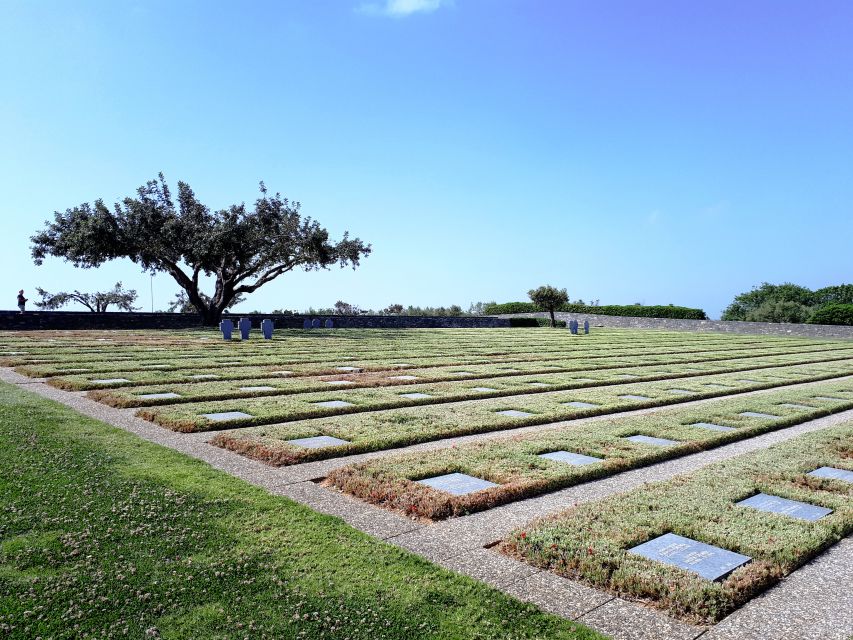
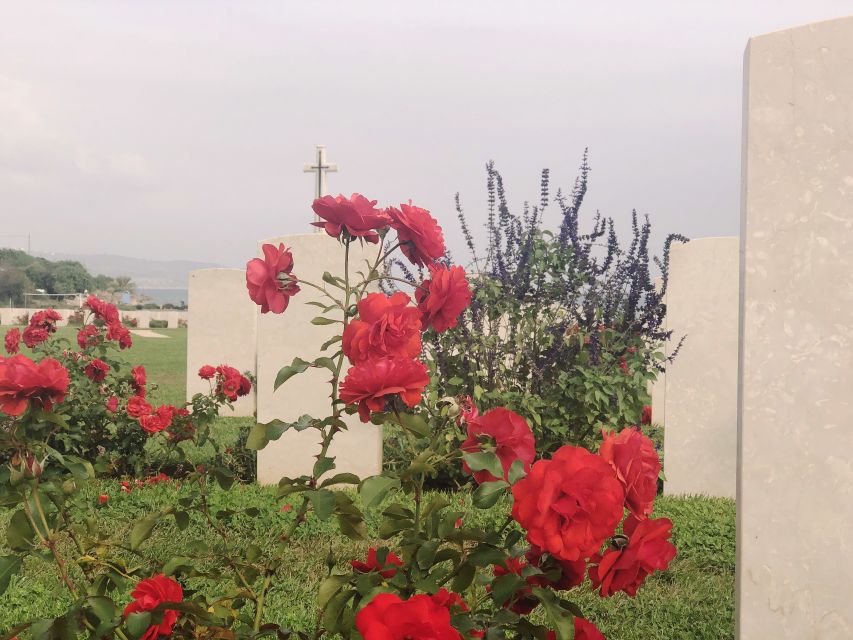
- Two very different cemeteries: The German cemetery and Allied cemetery offer quiet, carefully maintained places to reflect on the cost of the battle.
- Strong guiding: Yannis, often spelled Yiannis or Yanis, and Babis are praised for clear explanations, local insight, and considerate driving.
- Practical limitation: Comfortable shoes matter, and the tour only operates from the Chania region.
Why this Crete history tour is worth your time
If you know little about the Battle of Crete, this is a useful way to get the full outline in one day. If you already know the military story, the local viewpoint and the physical sites add detail that books and documentaries cannot provide on their own.
The tour begins with the events leading to the German invasion. You hear about the Greek-Italian War of 1940, Greece’s fight against Mussolini’s forces, and the circumstances that brought Hitler’s attention to Crete. The guide then explains Operation Mercury, the German airborne assault of May 1941, and the importance of the island to the eastern Mediterranean.
That order matters. Without it, the battle can sound like a string of place names and military movements. With the background in place, Maleme, Galatas, and the surrounding villages become part of a clear story. You can follow why the airfield was so important, why Allied forces fought hard to hold it, and how the occupation shaped life on Crete.
The guides are the heart of the experience. Yannis, also written as Yiannis, Yanis, or Yonis, is repeatedly praised for using maps and old photographs to explain the action in a logical sequence. Babis is also singled out for his calm, clear presentation and care with guests who have mobility concerns. The guiding is not limited to troop movements. You also hear about Cretan customs, local resistance, and the island’s role in helping British, Australian, and New Zealand forces.
More ancient sites near Chania:
- Chania Battle of Crete Private Tour: WW2 Military History
★ 5.0 · 16 reviews - Food Odyssey, A Historical Culinary Tour of Chania
★ 5.0 · 3 reviews - From Heraklion: Historical Center City Tour & Knossos Palace
★ 4.4 · 340 reviews
Seeing Maleme and the airfield from above
Maleme is one of the tour’s most important stops. The village itself is pleasant, but the real interest lies in its military position and the airfield nearby. From a higher viewpoint, the guide can help you read the ground as the soldiers did, showing how the terrain, roads, villages, and airfield fitted together.
This is where the German paratroopers first landed. The guide explains how the airborne assault unfolded and why control of the airfield became so urgent. A map or photograph is particularly useful here, since the battle covered a wide area and the modern scene does not always reveal the wartime picture at first glance.
I find this kind of stop more useful than simply visiting a memorial. You are not just told that Maleme mattered. You are shown why it mattered. The view also helps you understand how difficult it was for defenders to keep track of German landings and troop movements across several separate battle areas.
Expect some walking between viewpoints and sites, so wear shoes with a firm sole. The tour is not described as a strenuous hike, but comfortable footwear is specifically recommended.
Tavronitis Bridge and the shape of the first attack
At Tavronitis, the bridge and surrounding area provide another direct link to the opening phase of the invasion. Here, the guide points out surviving traces and explains how the first German attacks unfolded around the river crossing and the nearby airfield.
The value of Tavronitis is its physical scale. A broad military operation can feel abstract when you only hear dates and unit names. At the bridge, you can see the kind of crossing point that controlled movement through the area. The guide’s explanation helps you picture the pressure placed on the Allied defenders and the importance of holding roads and access routes.
The stop also shows why a local guide is useful. A person who knows the area can connect a bridge, a slope, a village, and an airfield in a way that a general tour of Crete usually cannot. You are looking at ordinary roads and buildings, but the guide gives them their wartime meaning.
Galatas, Hill 107, and the battlefield on foot
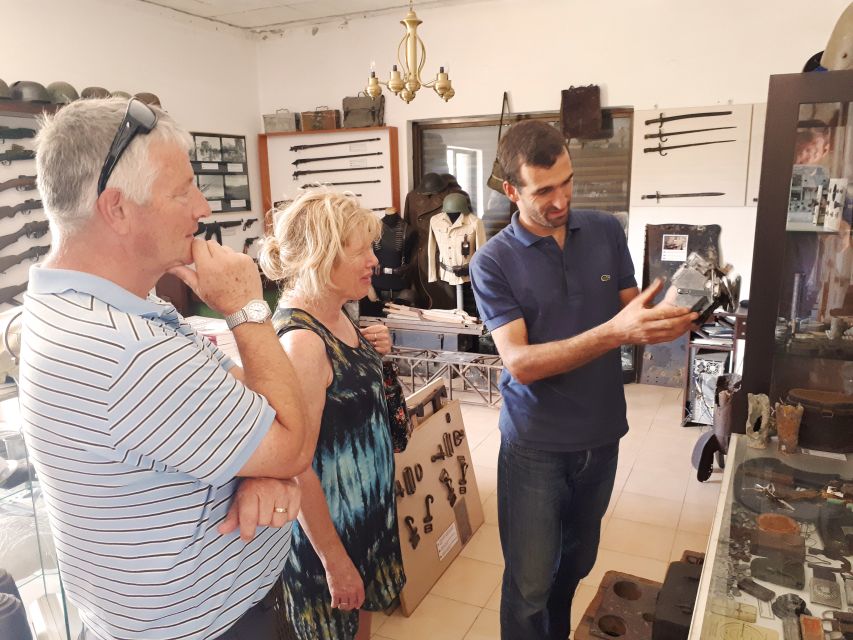
The Battle of Galatas is another major part of the day. The guide explains the fighting in and around the village and places it within the wider struggle for control of western Crete. Hill 107 is especially useful for understanding the battle, since a high point gives context to troop positions and movement.
Maps and old photographs are used to bridge the gap between then and now. I like this approach because it prevents the visit from becoming a simple drive past historical markers. You stop, look, listen, and compare the present scene with the wartime image.
Galatas also brings out the mixed nature of the forces involved. British, Australian, and New Zealand troops fought alongside local Cretans, while resistance networks helped Allied personnel and supported efforts against the occupation. The tour gives space to those civilian and partisan roles, rather than presenting the battle only as a contest between regular armies.
Do not expect every battlefield stop to have a large museum or a long line of preserved structures. Much of the evidence is subtle: a monument, a position on a hill, a remnant, or the shape of the ground. The guide’s explanation is what makes these places meaningful.
A few more Chania trips worth weighing up
- From Kissamos Port: Boat Cruise to Balos Lagoon & Gramvousa
★ 4.2 · 6,755 reviews - From Chania: Full-Day Samaria Gorge Trek Excursion & Guide
★ 4.6 · 3,191 reviews - From Chania: Day Trip to Elafonisi Island Pink Sand Beach
★ 4.5 · 2,014 reviews - Crete: Rethimno, Chania, and Kournas Lake Day Trip
★ 4.4 · 1,694 reviews
The private collection of WWII objects
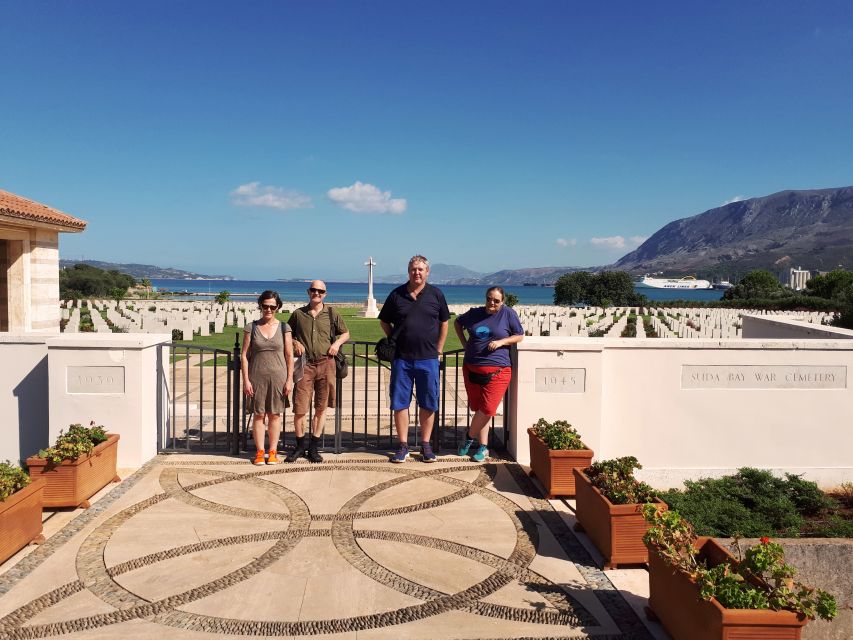
One of the most unusual stops is a private collection of World War II items gathered from the local area. The collection includes battlefield relics and personal objects, and the collector explains where the items were found and what they reveal.
This is a different experience from visiting a formal military museum. The objects are close at hand, and the collector’s personal connection to each piece gives the visit a strong local character. You may see items that make the war feel immediate and physical rather than distant and neatly arranged.
The stop can take a fair amount of time. That is a benefit if you enjoy artifacts and want to hear the story behind each one. It may feel lengthy if you prefer a faster military overview. The guide keeps the day moving, but the amount of explanation depends partly on the group and the collector’s presentation.
Several people particularly value being able to see artifacts up close, and one tour included a meeting with a local person who shared a family story from the occupation. That kind of unscripted local memory cannot be guaranteed, but it shows the personal character of this tour.
Secret shelters and the civilian side of the occupation
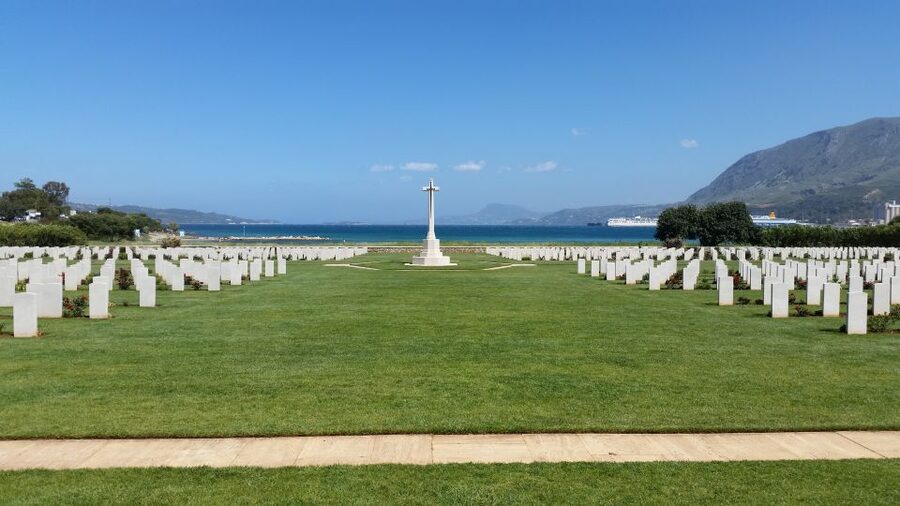
The tour also visits small museums, secret shelters, and other wartime monuments. These stops widen the story beyond the first days of invasion.
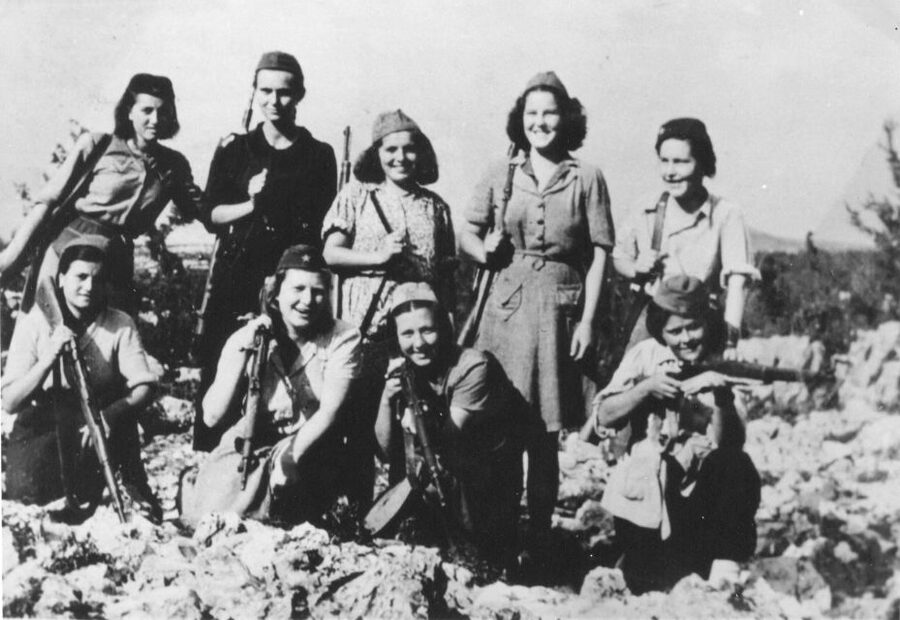
Shelters are important because they show how the war affected ordinary Cretans. The island was not simply a battlefield where armies arrived, fought, and left. Occupation brought danger, resistance, hiding places, reprisals, and difficult choices for local families. The guide discusses how partisans assisted Allied soldiers and helped alter the course of the campaign.
The precise shelters and small museums may vary with local conditions, but the theme remains consistent: you get a view of the war from the Cretan side. The tour also connects the resistance to British, Australian, and New Zealand personnel who remained behind or needed help moving through occupied territory.
This is one of the strongest reasons to choose the excursion instead of a general sightseeing trip. You spend time with a part of Crete that is easy to miss while visiting beaches, archaeological sites, and mountain villages.
German and Allied cemeteries
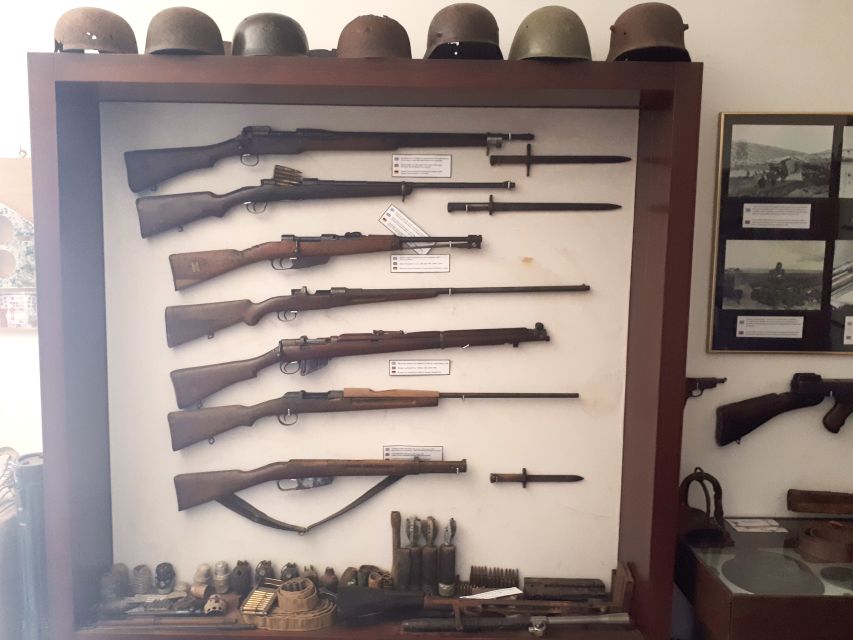
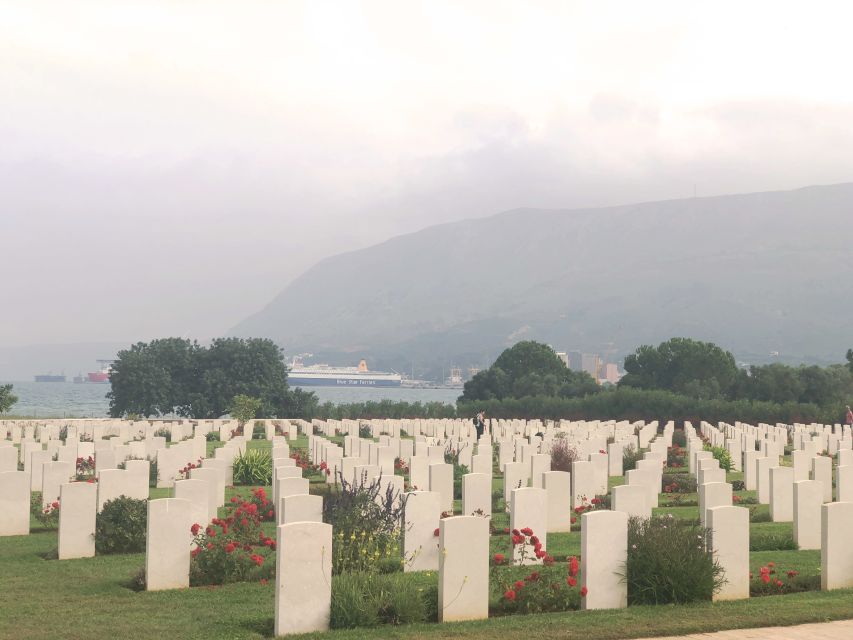
The war cemeteries provide the quietest and most reflective part of the day. You visit the German cemetery and a cemetery for Allied and Commonwealth forces, including the site at Souda Bay.
The cemeteries are carefully maintained, with rows of graves that make the human cost of the battle unmistakable. The guide explains the setting and the events behind the casualties, but these visits also give you time to pause without a constant stream of information.
The Allied cemetery can be particularly meaningful if you have a family connection to soldiers who fought in Crete. Several people take this tour to honor a father, grandfather, brother, or other relative. Allow yourself time to read names and absorb the setting.
One practical point matters here: the amount of time at the cemetery may not satisfy everyone. If Souda Bay is your main reason for booking, tell the guide early in the day. The schedule covers many sites, and some outings have felt rushed at the final cemetery stop.
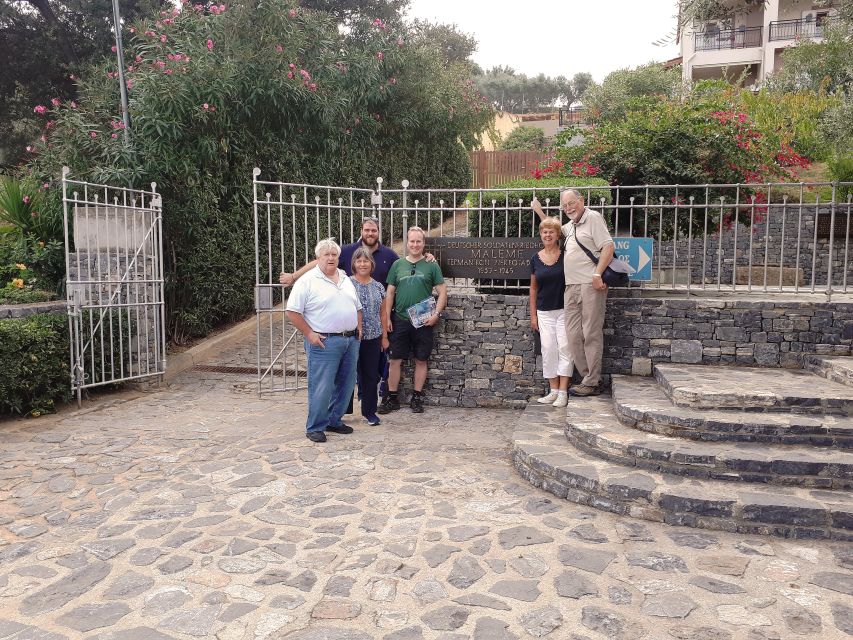
The German cemetery is also handled with care. The visit is not presented as a celebration of the invading force. Instead, it acknowledges the dead while keeping attention on the suffering and destruction caused by the campaign. That balanced treatment is appropriate for a serious historical tour.
What the six-hour format feels like
The experience is planned as a six-hour outing, with pickup and drop-off from selected locations in the Chania region. Some trips run closer to six and a half hours, while an older description gave seven hours, so do not schedule a tight appointment immediately afterward.
Transport is by air-conditioned minivan. That matters in Crete’s summer heat, especially when the vehicle links several sites across western Crete. One guide made a point of keeping the van cool during a 34-degree day, and the small-group format makes the ride more personal than a large coach excursion.
A snack and bottle of water are included. The snack can help, and dietary needs have been accommodated when requested, but it is not a substitute for a full meal. One useful improvement would be a planned food and restroom stop. Most outings include only one scheduled comfort break, though an extra supermarket stop has been made when requested.
Bring comfortable shoes and water if you prefer more than the supplied bottle. Pets are not allowed. Pickup is limited to the Chania region, so check your accommodation location before booking.
Price, group size, and overall value
At $111 per person, the tour is not the cheapest way to spend a day in western Crete. It is also more than a simple transport service. The price includes an air-conditioned minivan, an English and Greek-speaking driver-guide, a local guide, entrance fees, taxes, a snack, and water.
The value comes from the amount of interpretation packed into the day. You visit multiple battle sites, cemeteries, museums, shelters, and a private collection without having to work out the route or study maps in advance. You also get a guide who can explain how the places connect.
The small-group format is important. It gives you a better chance to ask about a family connection, request clarification at a battlefield, or ask for an extra comfort stop. It also allows the guide to adapt the pace more easily than a large bus tour.
I would consider the price fair if the Battle of Crete is a major interest for you. If you only want a quick look at one memorial, it is probably more than you need. The tour is aimed at people who want a full historical day, not a brief photo stop.
Who will get the most from this tour
You should book this experience if you enjoy military history, family research, local resistance stories, or tours that connect events to actual places. It is also a good choice if you have already visited Crete’s beaches and ancient sites and want a different side of the island.
The tour suits first-time students of the Battle of Crete because the story is explained in order and supported by maps and photographs. It also works for people with prior knowledge, especially those interested in battlefield geography and personal artifacts.
Families with direct connections to the Allied forces may find the cemeteries especially important. The guide can help place a relative’s service within the wider battle, though the tour is not described as a dedicated genealogy service.
You should think twice if you dislike long periods of explanation, have a strict need for frequent restroom breaks, or want a relaxed sightseeing day with plenty of free time. This is a serious history outing with several stops packed into a limited schedule.
Should you book the Crete World War II History Tour?
I would book it if you want to understand how the invasion unfolded and why the Battle of Crete mattered beyond the island itself. The combination of Maleme, Tavronitis, Galatas, Hill 107, local shelters, private artifacts, and war cemeteries gives you a fuller picture than any single memorial can provide.
Choose a day when you can give the subject your attention. Tell the guide if Souda Bay is your priority, mention dietary needs in advance, and ask for an extra comfort stop if needed. With those expectations in place, this is a thoughtful and unusually personal history tour from Chania, led by guides such as Yannis and Babis who know how to connect military events with the people and places of Crete.
FAQ
Where does the Crete World War II History Tour depart from?
The tour departs only from the Chania region. Pickup and drop-off are included from specific locations in that area.
How long does the tour last?
The stated duration is six hours. Some outings have lasted about six and a half hours, so allow extra time after the planned finish.
What language is the tour conducted in?
The live tour is available in English and Greek. English-speaking driver-guides and local guides are provided.
Which World War II sites are visited?
The experience includes Maleme airfield viewed from above, Tavronitis Bridge, Galatas, Hill 107, war monuments, small museums, secret shelters, a private collection of wartime artifacts, and German and Allied war cemeteries.
Is transportation included?
Yes. Transport is provided in an air-conditioned minivan, with pickup and drop-off from designated locations in the Chania region.
Is food included?
A snack and one bottle of water are included for each person. A full restaurant meal is not listed as part of the tour, and the limited break schedule means you may want to eat beforehand.
What should I bring?
Wear comfortable shoes. You may also want to bring extra water, especially during hot weather.
Can I cancel the tour if my plans change?
You can cancel up to 24 hours in advance for a full refund. The reserve-now, pay-later option lets you hold a place without paying immediately.
Newest Chania write-ups
- Private transfer from Heraklion airport to Chania★ 5.0 · 5 reviews
- From chania : Knossos Palace & Archeological Museum Tour★ 4.0 · 4 reviews
- Highlights of Crete -2 Days Tour Knossos Lasithi Rethymno&Chania★ 5.0 · 3 reviews
- CHANIA RETHYMNON KOURNAS, full day professional guided coach tour★ 3.5 · 8 reviews
- Private tasting of 6 cretan wines in Fres village, Chania★ 5.0 · 4 reviews
- Wine Tasting Walking Tour in Old Town Chania★ 5.0 · 20 reviews
- Small-Group Wine Tasting Activity in West Chania★ 5.0 · 4 reviews
- Chania Area: Cooking Class at a Farm in Stylos Village (organic)★ 5.0 · 19 reviews
Historical Tours, compared.
Richtis Waterfall, History, Azoria, OliveTasting, NorthCoast
Read our review →
Heraklion Highlights: Knossos, Museum & Historic City Drive
Read our review →
Chania Battle of Crete Private Tour: WW2 Military History
Read our review →

Food Odyssey, A Historical Culinary Tour of Chania
Read our review →Browse the lists this tour appears in