
Reviewed · ZEUS CAVE TOURS
Crete:Zeus & Lassithi Plateau, OliveTasting, Kritza, Pottery
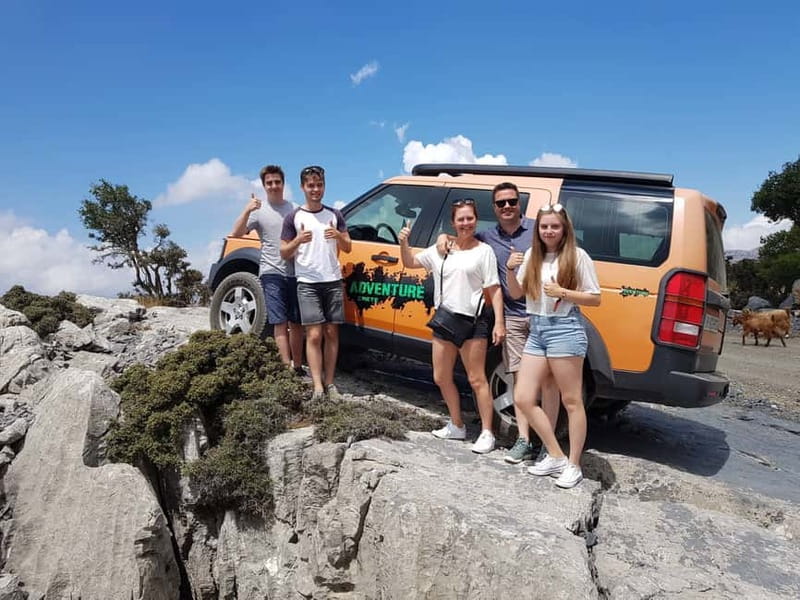
The best part of this Crete day trip is the way it links several sides of the island in one outing: high mountain roads, the Lassithi Plateau, village life, Greek mythology, local food, and hands-on crafts. You ride in an air-conditioned Land Rover, not a large coach, so the day feels personal and flexible.
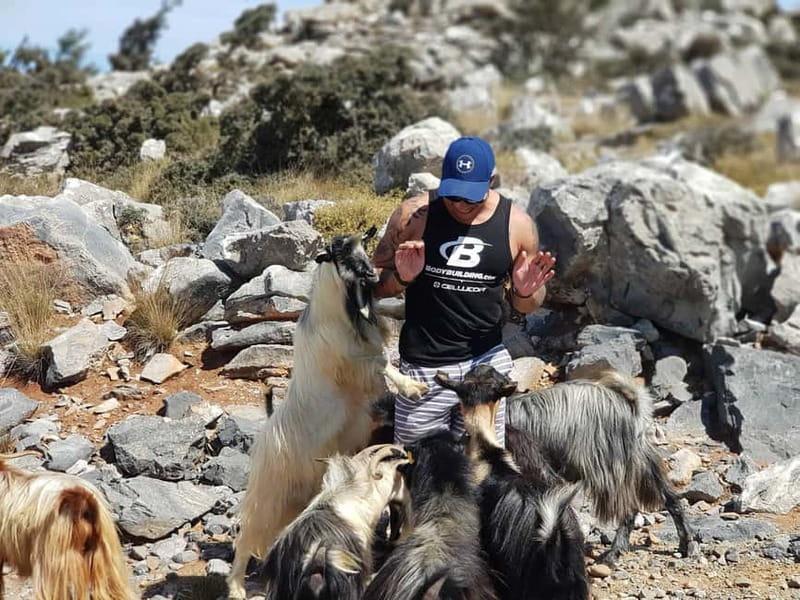
I like the small group, limited to six people, and the generous Cretan lunch with wine, water, salad, and local dishes. I also like the unplanned-feeling stops, from feeding mountain goats to tasting olive oil and wild herbs. The main caution is the hike to Zeus Cave. It is steep, and the walk can take 20 to 30 minutes uphill, so this is not a sit-back-and-watch-the-view excursion.
Key points to know before booking
- Small-group mountain drive: Travel with no more than six participants in an air-conditioned Land Rover.
- Zeus Cave requires a hike: Wear stable trainers and bring water, a hat, and patience for the uphill path.
- Local food is part of the value: The Cretan meze lunch includes local wine and plenty of food at a traditional taverna.
- More than a cave visit: Expect olive tasting, village stops, pottery, mountain plants, goats, viewpoints, and mythology.
- Guide quality matters: Michael, Petra, Minas, Ralf, and Panagioti are among the guides named for this experience, with strong praise for their storytelling and care.
- Plan for regional pickup: Pickup is offered from many east Crete resorts, but usually not from Heraklion or farther west without an extra shuttle.
Why this is a strong way to see inland Crete
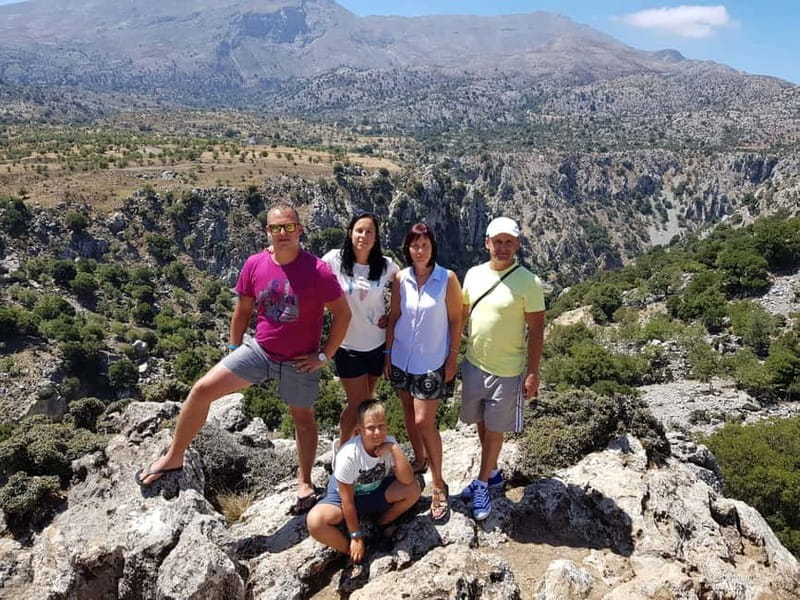
Most visitors base themselves along Crete’s north coast. That makes the island easy to enjoy, but it can also keep you in a strip of beach hotels and busy resort roads. This trip takes you inland, into the Dikti Mountain Range and the broad Lassithi Plateau.
The change is quick. You leave your hotel in a Land Rover and climb through traditional mountain villages, stopping for photographs and, when the timing works, coffee at a local taverna. The road itself becomes part of the day. You get views over the island, see stone villages, and learn how the high plateau differs from the coast.
I like the small vehicle here. A group of six can stop more easily than a full-size coach, and the guide can explain a plant, point out an animal, or make a short detour without turning the day into a major production. Several guides, including Michael and Petra, are praised for stopping to show local plants, flowers, herbs, and wildlife.
The tour lasts about seven hours, though the exact pace can change. One outing took closer to six hours because of extra stops. That is useful to know if you have an evening booking or a fixed dinner reservation. This is a full day on Crete, not a quick photo stop between hotel and beach.
More visits to the cave of Zeus:
- Full-Day Small-Group Tour in Crete with Zeus Cave Visit
★ 5.0 · 1,099 reviews - Crete: Lasithi Plateau and Cave of Zeus Off-Road Safari Tour
★ 4.8 · 886 reviews - Knossos-Zeus Cave -Old Traditional Villages-Olive Oil Factory
★ 5.0 · 694 reviews
Riding into the Dikti Mountains
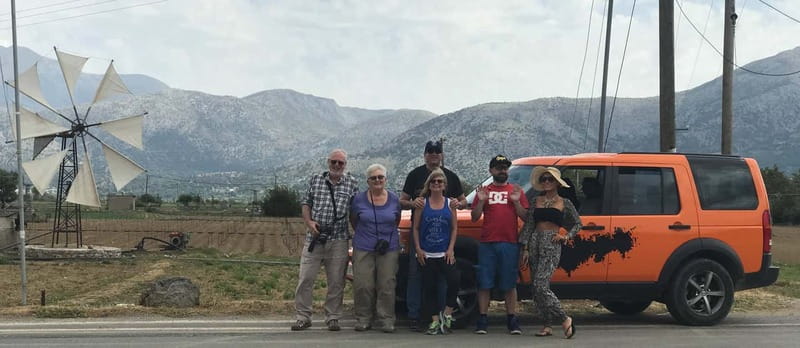
The Land Rover pickup is arranged directly at your hotel or villa in many east Crete areas. Look for an orange Land Rover Discovery. Listed pickup areas include Elounda, Agios Nikolaos, Sisi, Malia, Hersonissos, Analipsi, Kokkini Hani, Istro, Ierapetra, Neapoli, Anissaras, and Milatos, along with surrounding areas.
The usual pickup area does not include Heraklion and destinations farther west toward Chania. A shuttle may be possible from those areas for an additional charge, but it takes about an hour. Check this before booking, since the listed price does not automatically cover that transfer.
Once aboard, expect a scenic drive rather than a straight transfer. The route passes through mountain villages and climbs toward the Lassithi Plateau. The guides use the drive to explain Cretan customs, mythology, plants, and local life.
The vehicle is air-conditioned, and water is provided. That matters in the warmer months, especially after the cave hike. Still, I would bring your own extra water, a hat, sunscreen, and shoes with a firm sole.
Olive tasting and the flavors of Crete
The supplied tour description places pottery and mythology at the center of the day, while the actual route can also include an olive oil producer. Several outings began with a visit to an olive factory, where you can learn how olive oil is made and taste different oils, olives, honey, and raki.
This is a worthwhile stop because olive oil is not just a souvenir product in Crete. It is part of daily cooking, farming, and local identity. A tasting gives you a better sense of why Cretan meals rely so heavily on olive oil, herbs, vegetables, and simple grilled foods.
You may also find local produce and handmade crafts in a village along the way. One stop included small shops and a local artist’s work, with hand-painted items. These visits are less polished than a major tourist attraction, which is part of their appeal. They also give you a chance to buy something made on the island rather than another beach-town souvenir.
Keep in mind that the exact order of stops can change. The tour is built around the mountain route and local partners, so the day may include olive tasting, village visits, or additional short stops depending on conditions and timing.
The Lassithi Plateau and mountain wildlife
The Lassithi Plateau is the visual heart of the trip. At the base of Mount Spathi, the road opens into a wide highland area surrounded by mountains. The views are a welcome contrast to the crowded coast, and your guide will usually point out the shape of the plateau and explain why this area matters to Crete.
Look upward as well as outward. Eagles and vultures nest around the area, and guides may point out birds circling above the mountains. Goats are another highlight. Several outings included stopping to feed friendly mountain goats, sometimes a large group of them. Hand sanitizer was provided after one goat encounter, which is a practical touch.
These stops show why a small vehicle makes sense. You can pause for a closer look instead of simply passing through at coach speed. Guides such as Michael and Petra were especially praised for identifying plants and explaining local wildlife.
The mountain road can be winding, and you will be getting in and out of the vehicle several times. If you suffer from motion sickness, sit where you feel most comfortable and bring whatever remedy you normally use. The tour does not promise a smooth, direct ride, because the winding route is part of the point.
More trips up to the Lasithi plateau:
- Crete: Road-trip to Lasithi Plateau & Olive Mill Farm
★ 4.4 · 420 reviews - Zeus Cave, Lassithi Plateau, Olive Oil Factory, Kritza, Pottery
★ 5.0 · 362 reviews - Crete: Knossos, Lasithi, Lasinthos and Olive Farm Combo Tour
★ 4.5 · 351 reviews - Knossos & Lasithi Plateau: Zeus Cave,Villages, Olive Oil Tour
★ 5.0 · 328 reviews
Pottery beside the mountain villages
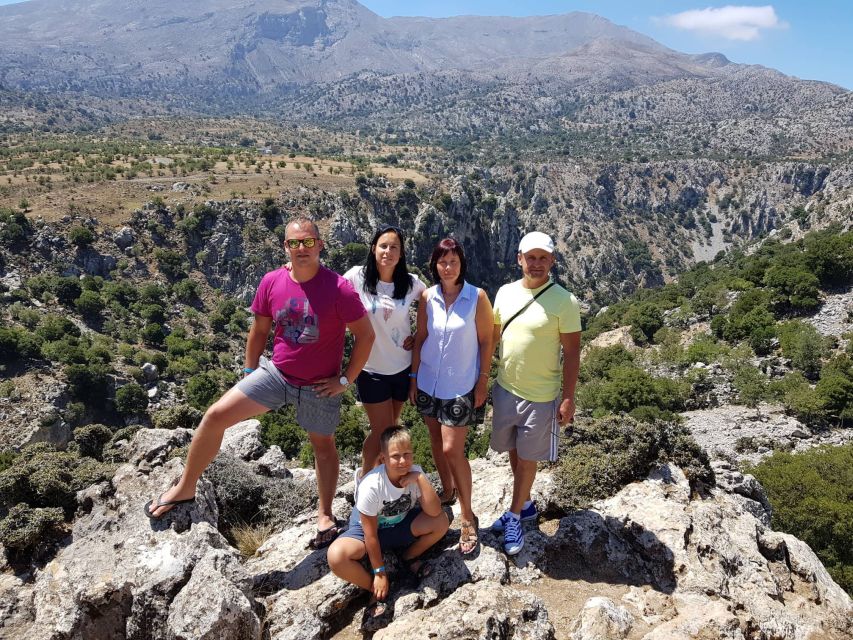
A local pottery workshop gives you a break from sightseeing. Here, you can work with fresh clay under the supervision of a local specialist and try to form something yourself.
This is a simple activity, but it adds a useful human scale to the day. You are not only looking at old places or hearing stories about ancient gods. You get to handle a material that has been used in Greek households and workshops for centuries.
The workshop should suit families, couples, and anyone who enjoys practical activities. Do not expect a long professional ceramics class. The available details describe a hands-on attempt supervised by a local specialist, not a full course or a guaranteed finished piece.
The pottery stop also helps break up the driving and walking. After time in the Land Rover and before the cave hike, a quiet craft activity gives the day a different rhythm.
Greek mythology at the park and Zeus Cave
Mythology is one of the main reasons to choose this excursion. You visit a mythology park and hear stories connected with the area, then continue toward Psychro Cave, commonly known as Zeus Cave.
According to Greek myth, Zeus was hidden in a cave on Crete as an infant. The cave’s importance comes from that story, not only from its rock formations. Your guide can connect the site to the wider world of Greek gods, ancient traditions, and Cretan identity.
There is a €6 adult entrance fee for Psychro Cave. Children enter free. The cave may occasionally be closed for renovation or other reasons. In that case, the route can be changed to another cave or substitute stop, as happened on one outing.
The walk is the key practical issue. The path rises steeply, and the climb has been described as taking about 12 to 30 minutes, depending on pace and fitness. The final section can feel awkward if you are unsteady, and entering the cave involves more steps and uneven ground.
Wear trainers or proper walking shoes. Sandals are a poor choice. Bring water and take your time. Donkey rides may be available for €10 cash, but that is not included in the tour price. If you prefer not to use one, walking is the alternative.
The climb can be tiring, but the cave and views are the payoff. If you have an older companion, limited mobility, or trouble with steep paths, think carefully before booking. One 85-year-old participant managed the walk with assistance, but the route is still physically demanding.
A traditional Cretan lunch after the climb
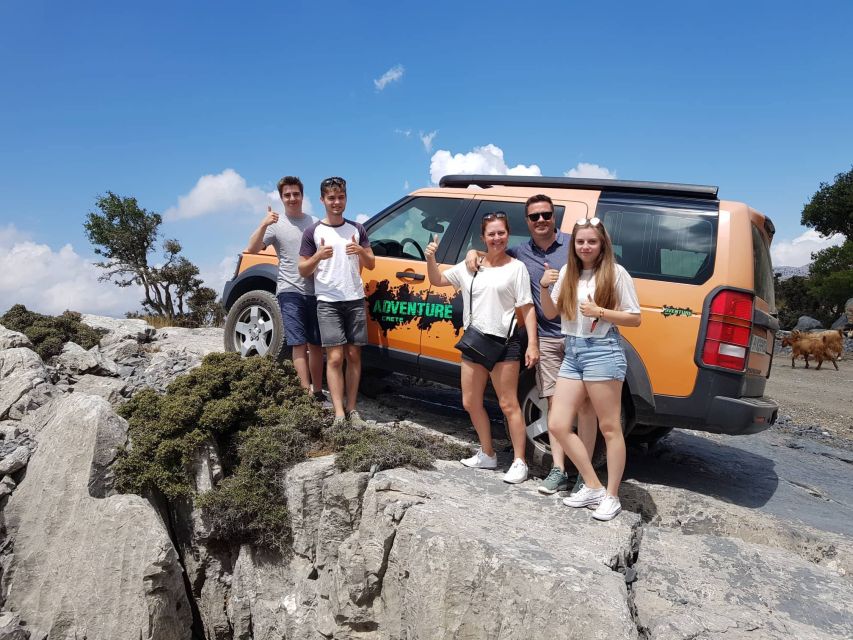
The lunch is one of the strongest reasons to consider the price. After the cave visit, you eat at a traditional Greek taverna, often described as family-run and connected with local shepherding.
The meal is served in the Cretan meze style, with several dishes rather than one quick plate. Reported meals include Greek salad, chicken, pork, local side dishes, bread, wine, water, and raki. One meal featured meat cooked over a wood fire for several hours.
The food is generous and filling. You are not simply being given a token snack after the hike. The taverna setting also gives you a better feel for local hospitality than a large restaurant designed around tour buses.
Lunch is included, along with refreshments and water. Wine and raki have also been part of the meal described by the tour provider and participants, though the exact dishes may vary. If you do not drink alcohol, you can stick with water.
The timing works well. You complete the most strenuous walk before sitting down, then have a chance to relax and eat. I would not schedule a heavy activity immediately after the tour, since the lunch and drive back can take the afternoon.
The return route: dam views, plane tree, and monastery
After lunch, you continue around the plateau before descending toward the north coast. The route includes views over Aposelemis Dam, one of the area’s notable water projects, and another chance to see how quickly Crete changes from high mountain country to coastal scenery.
A stop at a 2,400-year-old plane tree adds an unusual historical detail. It is described as the oldest on the island. This is the sort of stop that would be easy to miss if you were driving yourself without local guidance.
The final visit is Selinari Monastery. The monastery adds a religious and cultural layer to the day, after the earlier focus on mythology and rural life. It also gives the return journey another clear point of interest rather than simply ending once you leave the plateau.
These closing stops are part of the value of the route. You get several distinct views of Crete in one day: high plateau, mountain villages, cave, valley, dam, monastery, and coast.
The guides make the difference
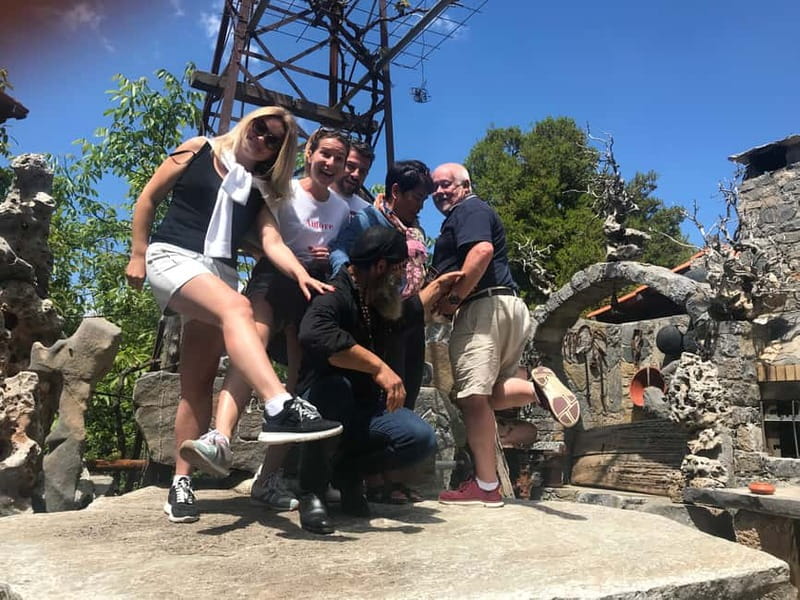
The guide is central to this experience. Names reported for different departures include Michael, Petra, Minas, Ralf or Rolf, and Panagioti. The guide you receive will depend on the date and operator assignment.
The strongest guide qualities are clear from the way the tour is designed. You need someone who can drive confidently on mountain roads, explain mythology, identify plants, keep the group moving, and adjust the pace when needed.
Michael is especially associated with feeding goats, jokes, and explanations of local plants and history. Petra is praised for explaining Crete, Greek mythology, and the cave in several languages. Minas is described as adding extra stops and explaining herbs, villages, and local customs. Ralf or Rolf is known for entertaining commentary and scenic viewpoints.
A good guide can turn the ride between stops into part of the experience. A weak one would leave you with a long drive and disconnected attractions. The named guides received very strong praise for warmth, humor, storytelling, and attention to individual needs.
Is the $111 price good value?
At $111 per person, the price is reasonable if you plan to see inland Crete without renting a car. It covers hotel pickup in listed areas, transport, an experienced driver, water and refreshments, and lunch.
You are also paying for access to a six-person group rather than a packed coach. That means more personal commentary, easier photo stops, and a better chance to ask questions. The olive tasting, pottery session, cave visit, and mountain route add several separate activities to the day.
The €6 adult cave fee is extra, which is easy to budget for. Donkey rides, if available, also cost extra at €10 cash. Pickup from Heraklion or farther west may require an additional shuttle fee.
The value is strongest for you if you want variety. A dedicated olive factory visit, a separate pottery class, and a cave tour might cost more when booked individually. The tradeoff is that no single stop receives a very long visit, and the exact sequence may change.
Who should book this Crete day trip?
Book it if you want mountain scenery, local food, Greek mythology, and village life in one manageable day. It suits couples, families with older children, and small groups who prefer a personal guide to a large coach.
It is also a good choice if you are staying in or near Elounda, Agios Nikolaos, Malia, Hersonissos, Sisi, or the other listed pickup areas. The direct hotel pickup removes the need to find a meeting point.
Think twice if you dislike winding roads, steep walks, or getting in and out of a vehicle. The Zeus Cave hike is not a minor stroll, and the itinerary includes a full day of movement.
You should also check the pickup zone carefully. If you are in Heraklion or farther west, the extra shuttle cost and transfer time may reduce the value.
Final verdict
I would book this tour if you want to see a quieter, more traditional side of Crete without driving mountain roads yourself. The strongest features are the small Land Rover group, warm local guides, generous lunch, and the mix of cave, plateau, pottery, olive tasting, goats, villages, and views.
The main warning is simple: bring proper shoes and be ready to climb. If you can handle the walk to Zeus Cave and enjoy a day with several moving parts, $111 buys a broad and unusually local introduction to inland Crete.
FAQ
How long does the tour last?
The stated duration is seven hours, although the exact timing can vary with stops, traffic, and the pace of the group.
What vehicle is used?
You travel in an air-conditioned Land Rover Discovery. Pickup instructions say to look for an orange Land Rover.
How many people are in the group?
The tour is limited to six participants.
Where is hotel pickup available?
Pickup is offered from listed areas including Elounda, Malia, Gouves, Ierapetra, Agios Nikolaos, Sisi, Hersonissos, Analipsi, Kokkini Hani, Istro, Neapoli, Anissaras, and Milatos, plus surrounding areas.
Is pickup available from Heraklion?
Usually, pickup is not available from Heraklion or farther east in the direction of Chania. A shuttle may be arranged on request for an additional cost, and the location is about one hour away.
Is lunch included?
Yes. A traditional Cretan lunch is included, along with refreshments and water. The meal is served at a Greek taverna and may include meze, salad, meat, wine, water, and raki.
Is the entrance to Zeus Cave included?
No. Adults pay a €6 entrance fee to Psychro Cave. Entrance is free for children.
How difficult is the walk to Zeus Cave?
The route includes a steep uphill walk that may take roughly 12 to 30 minutes, depending on your pace. Stable shoes, water, and a hat are recommended.
Is pottery included?
Yes. You visit a local pottery workshop and can try forming fresh clay under the supervision of a local specialist.
Which languages are available?
Live guiding is available in English, French, German, Dutch, Russian, Spanish, Romanian, and Greek.
More Pottery Workshops in Crete
- Koumoulia Ceramics / Ceramics courses
★ 4.5 · 33 reviews - Knossos Palace and Pottery experience (Luxury Adventure)
★ 4.5 · 32 reviews - Crete: Cretan Culture Tour and Pottery Workshop
★ 4.4 · 18 reviews - Pottery Village of Margarites – The monastery of Arkadi & The Gorge of Patsos
★ 5.0 · 16 reviews
Newest Crete write-ups
- Heraklion – Walking city tour with food tasting★ 4.5 · 25 reviews
- Private Full-Day Elafonisi★ 5.0 · 4 reviews
- Mirabello Luxuries with Spinalonga & Agios Nikolaos from Iraklion★ 4.5 · 7 reviews
- Cretan Flavors – Cooking Lessons and Wine Olive Oil Tasting★ 5.0 · 9 reviews
- Private Trekking Rouvas Gorge★ 4.5 · 4 reviews
- Ecobike All inclusive – 2 Day tour – Discover the real Crete★ 5.0 · 4 reviews
- Truffle Hunting, Culinary & Wine Celebration from Heraklion★ 5.0 · 6 reviews
- Secrets of West Crete & Rethymno Town Private Tour from Heraklion★ 5.0 · 9 reviews
Zeus Cave Tours, compared.
Full-Day Small-Group Tour in Crete with Zeus Cave Visit
Read our review →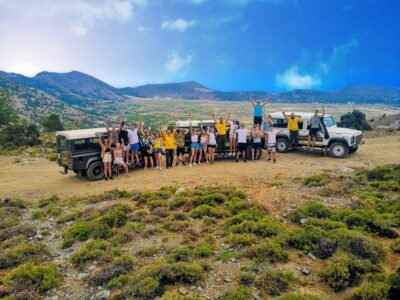
Lasithi Plateau and Cave of Zeus Off-Road Safari Tour
Read our review →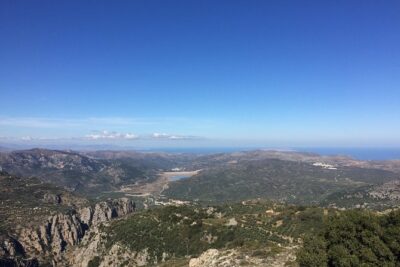
Zeus Cave -Old Traditional Villages-Olive Oil Factory
Read our review →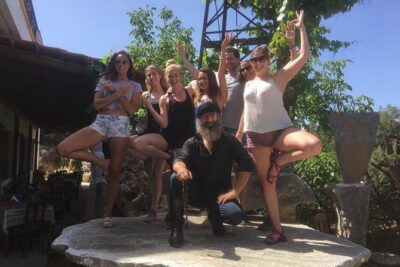
Zeus Cave, Lassithi Plateau, Olive Oil Factory, Kritza, Pottery
Read our review →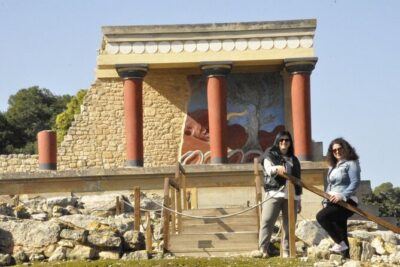
Knossos & Lasithi Plateau: Zeus Cave,Villages, Olive Oil Tour
Read our review →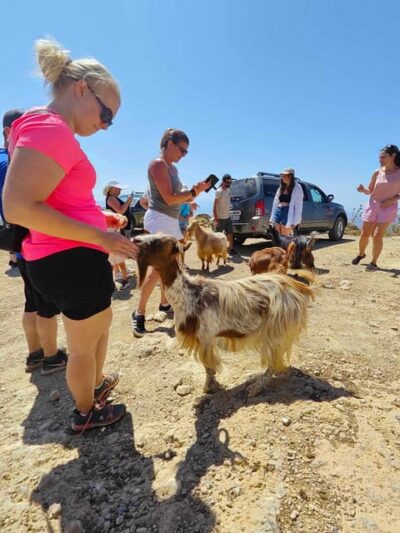
Lasithi Plateau Zeus Cave Guided Jeep Safari Tour
Read our review →
Knossos & lasithi plateau villages,Zeus’s cave,&olive oil Mill
Read our review →
Knossos, Zeus, Villages & Olive Oil Factory Tour
Read our review →Browse the lists this tour appears in