
Reviewed · CRETAN COOKING CLASSES
Cooking class at the Shepherd’s Shelter in Rethymno
At The Shepherd’s Shelter, cooking starts with the farm itself. You pick vegetables and herbs, make cheese from sheep’s milk, then sit down to a Cretan meal made from fresh ingredients on the Psiloritis mountain. It is a hands-on look at rural Crete, not a restaurant class with a few decorative props.
I especially like the sheep’s milk cheese making, since it gives you a real task to learn rather than just a demonstration. I also like the guided farm walk, where you meet the animals and hear about shepherd life from your hosts, including Yiorgos Kokkinos and his family.
The main consideration is the setting. The meeting point is at a mountain farm outside Rethymno, and the experience lasts about five hours, so it takes a good part of your day. The price is also substantial at $131.06 per person, though group discounts and the generous meal help explain the cost.
Key points at a glance
- Sheep’s milk cheese: Make cheese as part of the class, using a traditional Cretan farm product.
- Farm-to-table cooking: Pick vegetables and herbs, then prepare a meal from scratch with fresh produce.
- A working mountain farm: Walk around The Shepherd’s Shelter and meet its animals while learning about shepherd life.
- Local drinks and food culture: Taste Cretan wine and raki, with discussion of the nutritional value of local products.
- Small group format: The class accepts a maximum of 12 people and is offered in English.
- Five hours at the farm: Start at 11:00 a.m. and finish back at the same meeting point near Milopotamos.
A mountain cooking class with real farm work
Many cooking classes begin with a neat table of measured ingredients. This one begins outdoors, at The Shepherd’s Shelter in the Psiloritis mountain area near Milopotamos. That difference matters. You are not only learning how to prepare food. You are seeing where part of the meal comes from and how food fits into the daily life of a Cretan shepherd.
The class is offered on weekends, with other days available by request. It is designed for a maximum of 12 people, a useful limit for an activity that includes cooking, walking around a farm, and working with cheese. A small group also gives you a better chance to follow the instructions and take part instead of watching from the edge.
You meet at the shelter at 11:00 a.m. The activity ends at the same place, and the full visit takes about five hours. Since transport from your hotel is not listed as part of the experience, you should plan how you will reach the meeting point in Milopotamos before booking. The exact location is on an unnamed road, so having the meeting details ready is sensible.
More Cretan cooking classes in Crete:
- Chania: Authentic Cooking Class in the White Mountains
★ 4.9 · 529 reviews - The Real Cretan Cooking Experience
★ 5.0 · 528 reviews - Chania Cooking Class-The Authentic Enjoy traditional Cretan meal
★ 5.0 · 339 reviews
Picking ingredients before you cook
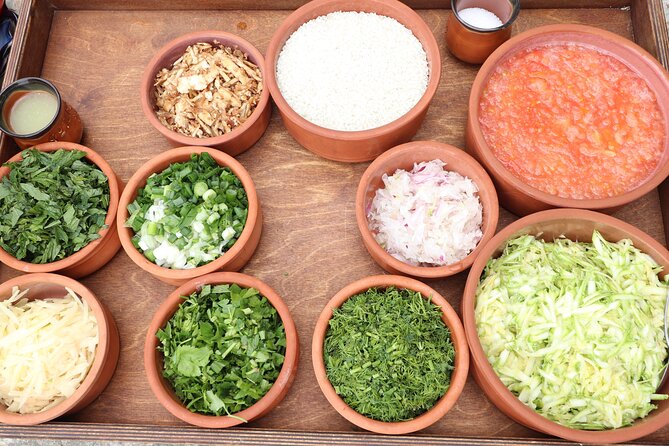
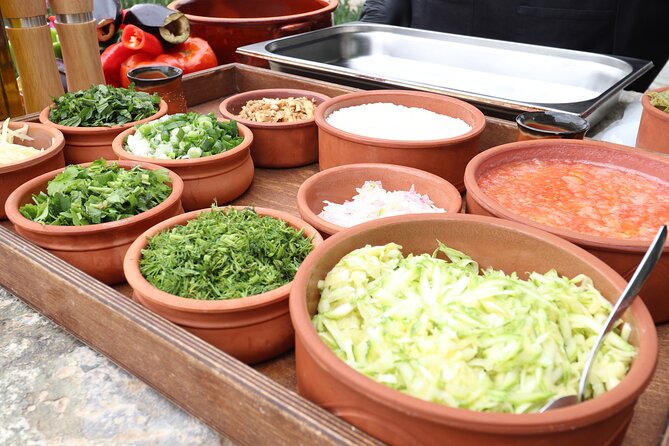
One of the best parts of the day is that the cooking begins before anyone switches on a stove. You can pick vegetables and herbs for the meal, using produce supplied from local farms and the surrounding agricultural setting.
This simple step gives the food more meaning. You see the ingredients as part of a working food system rather than as anonymous items in a market basket. The class also includes discussion of the nutritional value of Cretan products, so the meal has a clear link to the island’s eating habits and farm traditions.
The produce is described as fresh and organic, with vegetables sourced from local farms. That does not mean every ingredient necessarily comes from the shelter itself, so you should think of this as a local farm-to-table experience rather than a fully self-sufficient farm meal. Still, the chance to gather herbs and vegetables makes the process more personal.
I like this part for another reason: it sets a slower pace. You have time to look around, ask questions, and notice how the farm works before the meal becomes the main event. If you want a fast class focused only on recipes, this may feel leisurely. If you want food tied to place, the pace is a strength.
Making cheese from sheep’s milk
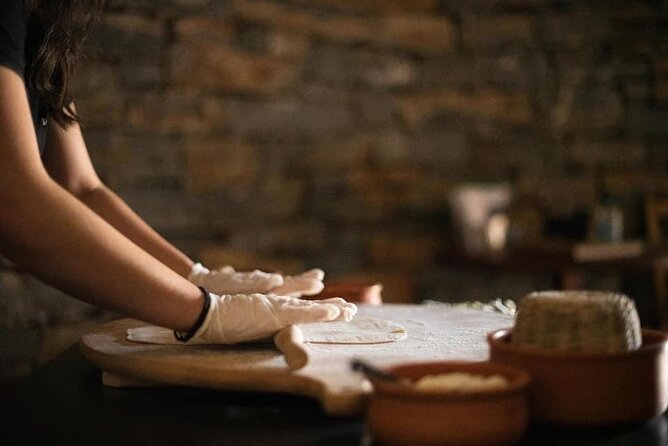
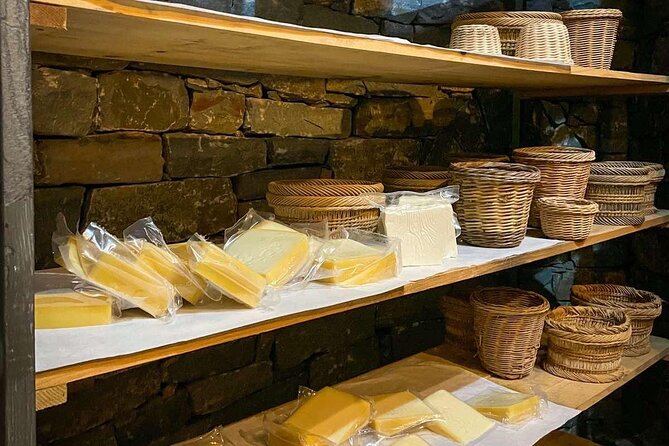
The cheese session is the most distinctive cooking feature. You learn how to make cheese from sheep’s milk, an ingredient closely linked with pastoral life in Crete. This is not simply a tasting of cheese placed on a plate. You take part in the basic process and gain a clearer idea of the work behind a familiar local food.
The class gives you a practical connection to the shelter’s shepherd identity. Cheese production is not treated as a separate culinary trick. It fits into the wider story of sheep, farm work, local food, and the way rural families use what they raise.
You should not expect a professional cheese-making course with technical training in aging, storage, or commercial production. The information provided points to an accessible cooking experience rather than a specialist workshop. For most people, that is the right balance: enough hands-on work to remember, without turning a holiday outing into a full vocational lesson.
Families and food-minded visitors will likely enjoy this section most. It also gives children an activity they can understand quickly, although the class information does not specify a minimum age or a special children’s program.
Cooking a Cretan meal from scratch
After collecting ingredients and learning about cheese, you prepare a Cretan meal from scratch. The precise menu is not provided, so you should not book expecting a particular dish. Instead, think of the class as a chance to learn the broad style of Cretan home cooking through vegetables, herbs, dairy, and local products.
The meal is a major part of the value. You are not paying only for a lesson and a short tasting. The experience includes the preparation, the finished food, local wine, and raki. One visitor described the portions as huge, so arrive hungry and plan for a substantial midday meal.
That generous approach fits the setting. A mountain farm meal is not meant to feel like a tiny restaurant tasting menu. You may spend much of the afternoon eating, talking, and trying the food you helped prepare. The amount can be a drawback if you prefer a light lunch, but it is a plus for anyone who wants the food to feel like a proper family-style meal.
The class is offered in English, which makes the instructions accessible to English-speaking visitors. The cooking also creates an easy way to learn about Cretan food without needing prior knowledge. You can ask about ingredients and preparation as the meal takes shape.
More hands-on workshops in Crete:
- Heraklion: Beginner Scuba Diving Lesson with PADI Instructor
★ 4.9 · 355 reviews - Full-Day Jeep Safari Tour with Cooking Lesson
★ 5.0 · 284 reviews - Cretan Cooking Class and Olive Oil Tasting
★ 5.0 · 178 reviews - Moires: Cooking Class and Olive Oil Tasting at a Family Farm
★ 5.0 · 93 reviews
Meeting the animals and learning shepherd life
The farm walk adds a useful layer to the day. You are introduced to the animals and given a look at the life of a shepherd in Crete. This part was not expected by one visitor and became a memorable part of the outing, which says something about its value: the class is broader than the kitchen.
The animal visit helps explain why sheep’s milk and cheese matter here. It also shifts your attention from food as a finished product to the people, animals, and daily work behind it. That is the sort of detail you miss in an urban cooking studio.
Do keep your expectations grounded. The available information does not promise a long trek, a working demonstration of every farm task, or close contact with every animal. You should expect a guided introduction to the farm, not a full day of shepherd training.
The setting may also require practical common sense. You are visiting a farm in a mountain area, not an indoor museum. Wear clothes and shoes you can use comfortably outdoors, and be prepared for a day that moves between walking, cooking, and sitting down to eat.
Wine, raki, and the Cretan table
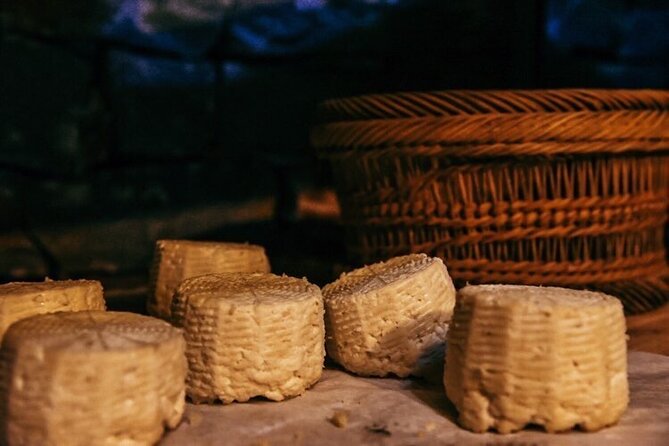
Wine and raki are included in the tasting portion. These drinks are part of the social side of a Cretan meal, and they give the class a more complete sense of local hospitality. You can sample both while learning about the food and the customs around it.
Raki is strong, so pace yourself. Since the class begins at 11:00 a.m. and includes a large meal, you will want to treat the tasting as part of lunch rather than as a drinking session. If you do not drink alcohol, the available details do not specify alternatives, so ask the provider before booking.
The food discussion also covers the nutritional value of Cretan products. This is useful if you want more than recipes. You hear why local ingredients matter and how food connects with everyday life on the island.
I would not choose this class solely for wine or raki. The drinks are an accent to the farm, cheese, cooking, and meal. The real appeal is the complete visit, with the drinks helping create a relaxed table experience.
Is $131.06 a fair price?
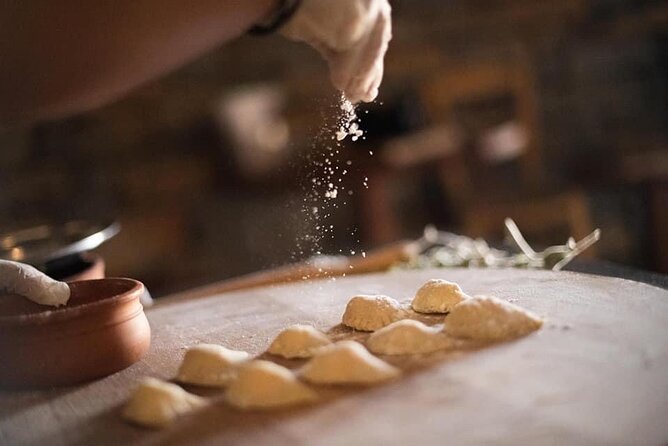
At $131.06 per person, this is not a budget cooking lesson. The price varies according to the number of people, and group discounts are available, so the final amount may be different for your party.
The value becomes easier to judge when you count what is included. You receive about five hours at a mountain farm, an English-language class, cheese making, vegetable and herb gathering, a guided farm tour, an introduction to the animals, food and nutrition discussion, wine, raki, and a substantial meal.
That is a good package for someone who wants a half-day cultural activity rather than a single recipe lesson. You are also paying for a small group, with no more than 12 people, and for the time of a family-run host operation. The experience is less convincing value if you only want to eat a traditional lunch or learn two or three basic recipes.
Ask about group pricing if you are booking with friends or family. More people may reduce the per-person price, but the class has a maximum of 12, so larger parties would need to confirm arrangements directly.
The experience is usually booked around 42 days ahead. That suggests you should plan early, especially if you are visiting on a weekend or want to request a date beyond the usual schedule.
Who will enjoy this experience most?
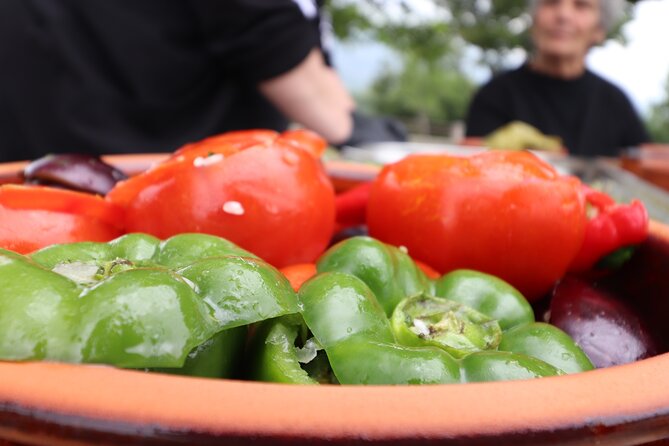
I would recommend this class to you if you want food tied to farming and local life. It suits people who enjoy getting their hands busy, asking questions, meeting a host family, and spending several hours in one place rather than rushing between sights.
It is also a good choice if you have already seen Rethymno’s old town and want a different side of Crete. The class takes you into the Psiloritis mountain area and gives you a reason to look beyond the coast and historic streets.
Families, couples, small groups, and food-focused visitors can all find something to enjoy here. The cheese making and animal visit give the day variety, while the cooking and meal provide a clear focus.
You may want to choose another activity if you need hotel pickup, a short class, a precise published menu, or an urban setting. The meeting point is the farm itself, and the day depends on your interest in rural life as much as your interest in cooking.
Service animals are allowed. The available details do not describe general mobility access, walking distances, or facilities at the shelter, so ask the provider about those points before booking if they matter to you.
Practical details before you book
The experience starts at 11:00 a.m. at The Shepherd’s Shelter, Unnamed Road, Milopotamos 740 51, Greece. It finishes back at the meeting point, and the total duration is about five hours.
You receive confirmation at booking unless you book within 11 hours of departure. Late bookings are confirmed as soon as possible, subject to availability. Since the meeting point is outside the main town setting, save the address and confirm your route in advance.
The experience is offered in English and uses a mobile ticket. It runs every weekend, with more dates available on request. If your schedule does not fit the regular timing, contacting Το Σπίτι του Βοσκού may be worthwhile.
You can cancel for a full refund up to 24 hours before the start time. Changes or cancellations made less than 24 hours ahead are not accepted for a refund. The cut-off uses local time in Crete, so check the clock carefully if you are booking from another time zone.
Should you book The Shepherd’s Shelter cooking class?
Book it if you want a hands-on Cretan food experience built around a farm, a family host, and a full meal. The sheep’s milk cheese making, animal visit, local produce, wine, and raki give the day more substance than a basic cooking demonstration.
The strongest reason to go is the connection between the food and shepherd life. You pick ingredients, learn about the farm, make cheese, cook, and then eat what you helped prepare. That sequence makes the $131.06 price easier to justify for the right person.
Skip it if you want a quick class, guaranteed dishes, or a city-center venue. For everyone else, especially visitors with a free weekend morning and an appetite for a generous meal, this offers a memorable look at rural Crete.
FAQ
Where does the cooking class take place?
The class takes place at The Shepherd’s Shelter on an unnamed road in Milopotamos, Crete, in the Psiloritis mountain area.
What time does the experience start?
The activity starts at 11:00 a.m.
How long does the cooking class last?
The experience lasts approximately five hours and ends back at The Shepherd’s Shelter.
Is the class offered in English?
Yes. The cooking class is offered in English.
What is included in the cooking experience?
You learn to make sheep’s milk cheese and prepare a Cretan meal from scratch. The experience also includes a farm tour, an introduction to the animals, discussion of Cretan products and their nutritional value, plus local wine and raki tastings.
How far in advance can I cancel for a full refund?
You can cancel at least 24 hours before the experience starts for a full refund. Cancellations or changes made less than 24 hours before the start time are not accepted for a refund.
More Cooking Classes in Crete
- Crete: Sightseeing Day Trip with Cooking Lesson and Lunch
★ 4.8 · 77 reviews - Chania: Authentic Cooking Class
★ 5.0 · 74 reviews - Rethymno: Traditional Cooking Class in a Cretan Village
★ 5.0 · 58 reviews - Heraklion: Cretan Cooking Lesson with Lunch in Arolithos
★ 4.9 · 54 reviews
Newest Crete write-ups
- Heraklion – Walking city tour with food tasting★ 4.5 · 25 reviews
- Private Full-Day Elafonisi★ 5.0 · 4 reviews
- Mirabello Luxuries with Spinalonga & Agios Nikolaos from Iraklion★ 4.5 · 7 reviews
- Cretan Flavors – Cooking Lessons and Wine Olive Oil Tasting★ 5.0 · 9 reviews
- Private Trekking Rouvas Gorge★ 4.5 · 4 reviews
- Ecobike All inclusive – 2 Day tour – Discover the real Crete★ 5.0 · 4 reviews
- Truffle Hunting, Culinary & Wine Celebration from Heraklion★ 5.0 · 6 reviews
- Secrets of West Crete & Rethymno Town Private Tour from Heraklion★ 5.0 · 9 reviews
Cretan Cooking Classes, compared.
Authentic Cooking Class in the White Mountains
Read our review →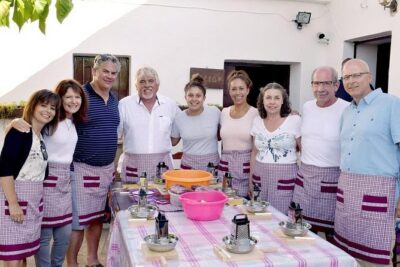
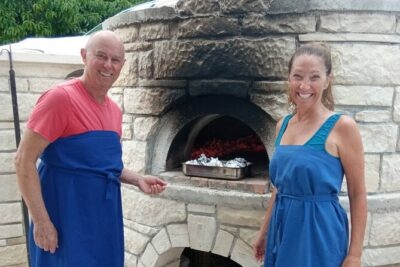
Chania Cooking Class-The Authentic Enjoy traditional Cretan meal
Read our review →
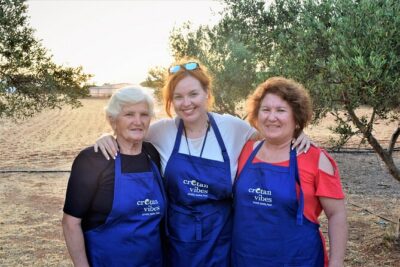
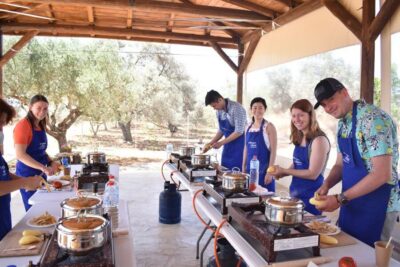
Moires: Cooking Class and Olive Oil Tasting at a Family Farm
Read our review →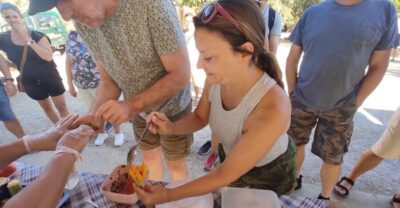
Sightseeing Day Trip with Cooking Lesson and Lunch
Read our review →
Browse the lists this tour appears in