
Reviewed · CRETE WINE TASTINGS
Wine, Dine & Divine: A Cretan Odyssey in Chania.
A 3,000-year-old olive tree, a hilltop monastery, local wine, and a wood-fired Cretan meal make this private Chania tour a well-rounded day outside the city. It connects religion, farming, food, and local tradition without trying to cram in too many stops.
I like the private vehicle and flexible guide service, especially for a group of up to three people. I also like the contrast between the quiet Monastery of Gonia and the generous tasting at Anoskeli Winery and Olive Mill. The main drawback is that lunch costs extra, and six to eight hours is a long outing if you prefer a quick half-day trip.
Key points at a glance
- A private day for up to three people: Your group travels alone in an air-conditioned vehicle with pickup from your hotel entrance.
- A 3,000-year-old olive tree: Vouves offers one of Crete’s most memorable links to the island’s agricultural past.
- A working wine and olive oil stop: Anoskeli combines a production tour with tastings of local wines, extra virgin olive oils, and platters.
- A serious look at Cretan faith: Gonia Monastery brings Byzantine frescoes, sacred relics, and centuries of local history into the day.
- Wood-fired cooking at Frosini’s Garden: Lunch centers on slow-cooked dishes, but the meal is not included in the tour price.
- A guide who can adjust the day: Michial is specifically praised for being flexible, which matters on a private tour with several stops.
What this Chania day trip is really about
This is not simply a sightseeing loop. The route shows you four parts of Cretan life: Orthodox faith, olive growing, winemaking, and traditional cooking. That mix gives the day a clear purpose, and each stop adds something different.
You begin with culture and spirituality at Odigitria Gonia Monastery. Then you move into the agricultural side of the island at Vouves. The winery and olive mill connect those crops to modern production, while Frosini’s Garden turns the same local ingredients into lunch.
The private format is important here. You are not joining a large coach group, and only your party takes part. That gives the guide more room to explain things, adjust the pace, and respond to questions. One previous booking singled out Michial as a wonderful, flexible guide, so if he is assigned to your outing, you can expect a more personal approach rather than a fixed script.
The price is $512.02 per group of up to three. For one person, that is expensive. For two or three people sharing the cost, it becomes more reasonable, especially because private transport, hotel pickup, admission fees for the monastery and olive tree museum, the winery tour, and tasting are included.
More Wine Tastings in Chania
- From Chania: Olive Oil, Wine, Cheese & Honey Tasting Tour
★ 4.6 · 490 reviews - From Chania: Wine and Olive Oil Tasting Tour with Snacks
★ 4.8 · 354 reviews - Crete Wine and Olive Oil Tour
★ 5.0 · 272 reviews
Gonia Monastery: a quiet start with serious history
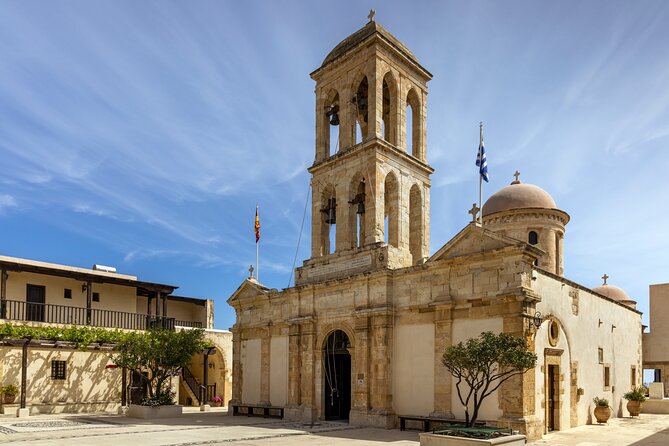
The first stop is Odigitria Gonia Monastery, also known as the Monastery of Gonia. You have about 45 minutes here, with admission included.
The monastery dates to the 9th century and is described as a symbol of Cretan spirituality and resilience. Inside, you can expect historic halls, Byzantine frescoes, and sacred relics. The setting is serene, so this is a good place to slow down after the drive and get a sense of the island beyond beaches and resort towns.
I like beginning with the monastery because it gives the rest of the day some context. Olive oil and wine are not just products here. They are tied to family life, religious customs, farming, and long-held local habits. The guide shares stories about the monastery’s place in local history and culture, which helps make the visit more than a quick photo stop.
Forty-five minutes is enough for an introduction, but it is not a full study visit. If you enjoy spending a long time examining religious art or architectural details, you may find the stop brief. The advantage is that the tour keeps moving, leaving more time for the food and agricultural stops later.
Dress and behavior should suit a religious site. The supplied details do not set out a formal dress code, so ask the guide if you need advice before entering. As with any active place of worship, modest clothing and a respectful tone are sensible.
The ancient olive tree at Vouves
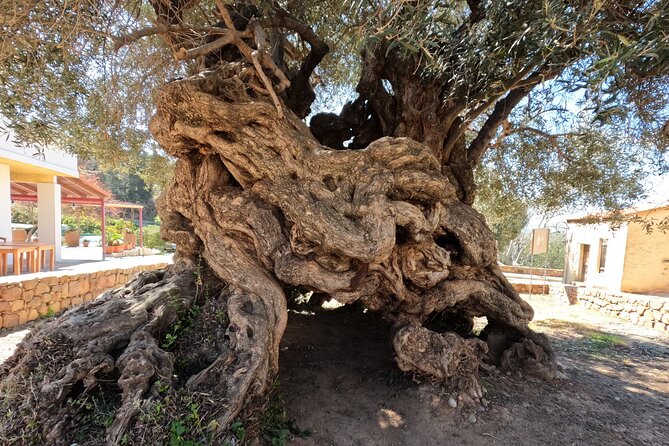
The short visit to the Olive Tree Museum of Vouves brings you face to face with one of Crete’s most remarkable natural and cultural sights. The ancient olive tree is said to be more than 3,000 years old, with thick branches spreading over the surrounding ground.
You have about 30 minutes, and admission to the tree and museum is included. That is enough time to see the tree, walk beneath its canopy, take in the olive groves, and learn why the olive has such a strong place in Cretan tradition.
The tree represents longevity, fertility, and prosperity. Those ideas help explain why olives matter so much on the island. You are not just looking at an old plant. You are seeing a living symbol connected to food, work, and local identity.
This stop will appeal to you if you enjoy unusual places with a strong sense of age. It is also a good break between the monastery and winery. The drawback is the short time. There is no extended walk through the countryside listed, so do not expect a long nature outing. The appeal is the tree itself and the story attached to it.
I would pay close attention to the guide here. The physical sight is simple, but the age and cultural meaning give it weight. The museum adds useful background, while the surrounding olive groves make the setting feel connected to the working countryside.
Anoskeli Winery and Olive Mill: the most generous tasting stop
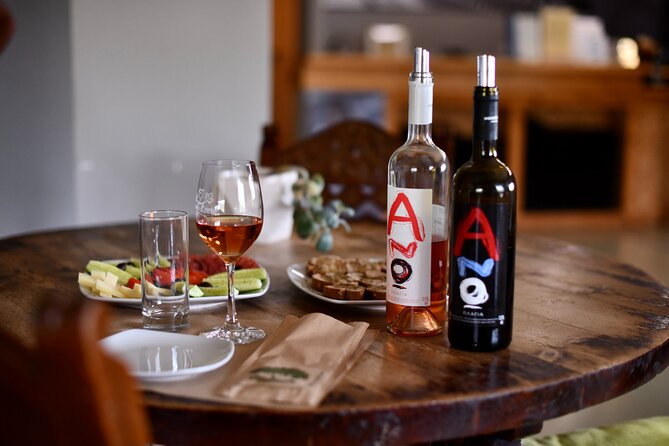
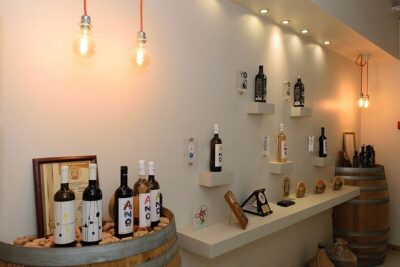
At Anoskeli Winery and Olive Mill, the focus shifts from history to production and taste. You spend about 1 hour and 30 minutes touring the facilities and learning how the olive oil is made, followed by a tasting of wines, extra virgin olive oils, and a variety of platters.
This is likely the most substantial stop for food lovers. You get to connect what you saw at Vouves with the finished product. The old olive tree shows the cultural side of olive farming, while Anoskeli explains the craft behind the oil on your table.
The wine tasting features indigenous grape varieties. That detail matters because it keeps the experience tied to Crete rather than offering a generic selection of international wines. You can expect the tasting to pair the wines with the on-site olive oils and food platters, giving you a chance to notice how the flavors work together.
The production tour also adds value. A tasting alone can feel like a sales stop, but seeing the facilities and learning about the making of the oil gives the visit more substance. The supplied details do not specify the number of wines, the exact dishes on the platters, or the length of each part of the visit, so you should treat the selection as varied but not assume a full meal.
This is also a place where you may want to buy something, although no shopping arrangement is stated. If you do, ask about transport and storage before making a purchase, especially during a warm day. Do not count on the tasting to replace lunch, since a separate meal is planned at Frosini’s Garden.
More Chania wineries worth an afternoon:
- Wine & Olive Oil Tour with Lunch at Milia Mountain Retreat
★ 5.0 · 194 reviews - Wine & Olive Oil Tour with Lunch – Semi Private Safari Tour
★ 5.0 · 156 reviews - PRIVATE Walking Tour with Lunch and Wine Tasting by a Sommelier
★ 5.0 · 113 reviews - Chania: Milia Mountain Tour w/Lunch Olive Oil/Wine Tastings
★ 4.9 · 97 reviews
Frosini’s Garden and the case for a slow lunch
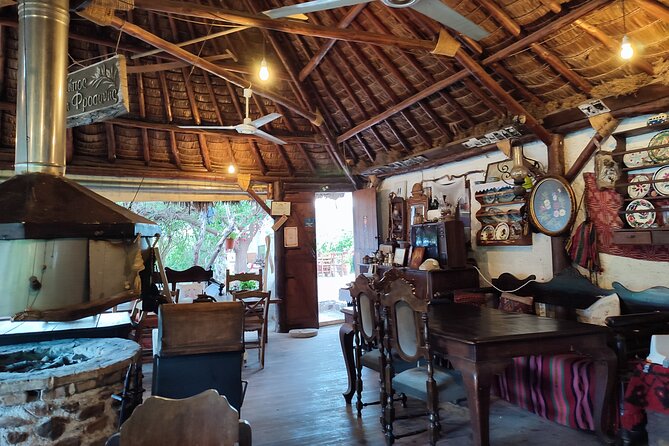
The final stop is a traditional Cretan taverna called Frosini’s Garden. You have about two hours here, and lunch is not included in the tour price.
The cooking centers on wood fire and slow preparation. The dishes described include lamb roasted on a spit, a hearty vegetable stew cooked in clay pots, and fresh bread finished with local olive oil. These are straightforward foods, but the method matters. Slow cooking brings out the character of the ingredients and reflects an older, patient style of Cretan kitchen work.
I like that lunch is given two hours rather than squeezed into a short break. You have time to sit down, eat at a normal pace, and enjoy the social side of the day. After the monastery, museum, and tasting, the taverna gives the tour a relaxed finish.
The extra cost is the main point to remember. Since lunch is not included, ask about the menu and prices if you need to keep close track of your budget. The tour price covers the winery and tasting, but not the meal itself.
The food description is appealing, but it does not confirm that every dish is served on every date. If you have dietary restrictions, tell the provider before booking or contact them ahead of time. The supplied information confirms the traditional dishes and cooking style, but not special menu arrangements.
Transport, timing, and comfort
The total duration is approximately six to eight hours, including travel time. That range is useful because road time is already built into the schedule, but the exact day may vary with pickup location, traffic, stop lengths, and the pace of your group.
Pickup is offered from your hotel entrance. The driver will hold a sign with the company name, which makes the meeting point clear. Private transportation means you do not need to find your own way to the monastery, museum, winery, or taverna.
The vehicle is air-conditioned, and WiFi is available on board. Those details matter during a full day in Crete, particularly when you are moving between several locations. A baby seat is available at no extra cost upon request, so families should request it when booking rather than waiting until pickup.
This is a private activity for your group only. You can ask for a little more time at a stop or move along sooner, though the actual flexibility depends on the day and the guide. Michial is specifically noted for being flexible, which is a useful quality on an outing with several distinct visits.
Most people can participate, and service animals are allowed. The information provided does not describe the walking surface at each stop or guarantee full wheelchair access, so ask the provider if you have mobility needs. The tour does require good weather. If poor weather cancels the outing, you are offered another date or a full refund.
Who will get the most from this private tour
I would choose this experience if you want more than a beach day but do not want to plan a complicated route through western Crete. It suits couples, small families, and friends who can share the cost of a private vehicle.
Food and wine fans will get the most from the Anoskeli tasting and the meal at Frosini’s Garden. History-minded visitors will appreciate Gonia Monastery and the age of the Vouves olive tree. The tour also works for people who want a broad introduction to Cretan culture in one day rather than a single specialized activity.
Families may like the private format and baby seat option. The schedule includes several stops, though younger children may find the monastery and museum less exciting than the tree, tasting, or meal. Since the day lasts up to eight hours, consider your child’s tolerance for driving and structured visits.
I would hesitate if you want a low-cost outing, a long hike, or a beach-centered day. The tour has no listed swimming stop, and the itinerary focuses on culture, food, farming, and transportation between sites. It is also not the best fit if you want every meal cost included in advance.
Is $512.02 good value for up to three people?

The answer depends on your group size. A solo visitor pays the full group rate, which makes this a costly private day. Three people can divide the price, bringing the cost to roughly $170.67 each before lunch, which is easier to justify for a full-day private outing.
The included items are meaningful: air-conditioned transport, private service, hotel pickup, WiFi, two admission fees, the winery and olive mill visit, and a tasting with platters. You are paying for convenience as well as access. There is no need to coordinate buses or taxis between four separate places.
Lunch must be added to your budget. That keeps the headline price from being the full cost of the day, but it also gives you control over what you order at the taverna. If you value privacy and a guide who can adjust the pace, the shared group price is fair. If you are traveling alone, compare it with smaller shared tours before committing.
Booking details worth knowing
Confirmation arrives within 48 hours of booking, subject to availability. Free cancellation is available if you cancel at least 24 hours before the start time. Cancellations or changes made inside that window are not refunded or accepted.
The tour may also require a minimum number of participants. If that minimum is not met, you are offered another date or experience, or a full refund. Weather can also affect the day, so keep your schedule slightly flexible if you are visiting during unsettled conditions.
I would request the baby seat when booking and mention any food or mobility concerns early. Since pickup is at your hotel entrance, make sure the provider has the correct hotel details and that you can identify the company sign.
Should you book Wine, Dine & Divine?
Book it if you want a private, well-paced introduction to several sides of Crete: Orthodox tradition, ancient olive cultivation, local wine, olive oil, and wood-fired food. The strongest features are the small group format, the range of stops, and the chance to spend real time at the final taverna rather than rushing through lunch.
Think twice if you are traveling alone on a tight budget or want a day built around beaches and scenery. For two or three people who enjoy food and culture, the price becomes more sensible, and the flexibility adds real value. If Michial is available, his reported ability to adjust the day is another reason to favor this option.
FAQ
How long does the tour last?
The experience lasts approximately six to eight hours, and travel time between stops is included in that total.
How much does the tour cost?
The price is $512.02 per group of up to three people. Lunch is not included.
Is hotel pickup available?
Yes. Pickup is offered at your hotel entrance, where the driver will hold a sign with the company name.
What language is the tour offered in?
The tour is offered in English.
What is included in the price?
The price includes an air-conditioned vehicle, private transportation, WiFi on board, admission to Gonia Monastery, admission to the ancient olive tree and museum, and the winery and olive mill tour with tasting and platters. A baby seat is available upon request.
Is this a private tour?
Yes. Only your group participates in the activity.
What happens if the weather is bad?
The experience requires good weather. If it is canceled because of poor weather, you are offered a different date or a full refund.
Newest Chania write-ups
- Private transfer from Heraklion airport to Chania★ 5.0 · 5 reviews
- From chania : Knossos Palace & Archeological Museum Tour★ 4.0 · 4 reviews
- Highlights of Crete -2 Days Tour Knossos Lasithi Rethymno&Chania★ 5.0 · 3 reviews
- CHANIA RETHYMNON KOURNAS, full day professional guided coach tour★ 3.5 · 8 reviews
- Private tasting of 6 cretan wines in Fres village, Chania★ 5.0 · 4 reviews
- Wine Tasting Walking Tour in Old Town Chania★ 5.0 · 20 reviews
- Small-Group Wine Tasting Activity in West Chania★ 5.0 · 4 reviews
- Chania Area: Cooking Class at a Farm in Stylos Village (organic)★ 5.0 · 19 reviews
Crete Wine Tastings, compared.


Land Rover Safari with Sunset Viewing, Dinner, & Wine
Read our review →
Full-Day Cretan Wines, Olive Oil, Raki and Food Tour
Read our review →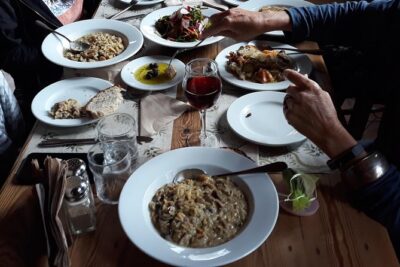
Wine & Olive Oil Tour with Lunch at Milia Mountain Retreat
Read our review →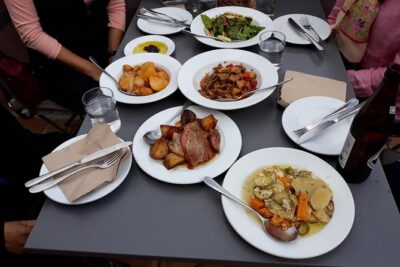
Wine & Olive Oil Tour with Lunch – Semi Private Safari Tour
Read our review →
Dia Island Catamaran Cruise with Dinner and Wine
Read our review →Browse the lists this tour appears in